
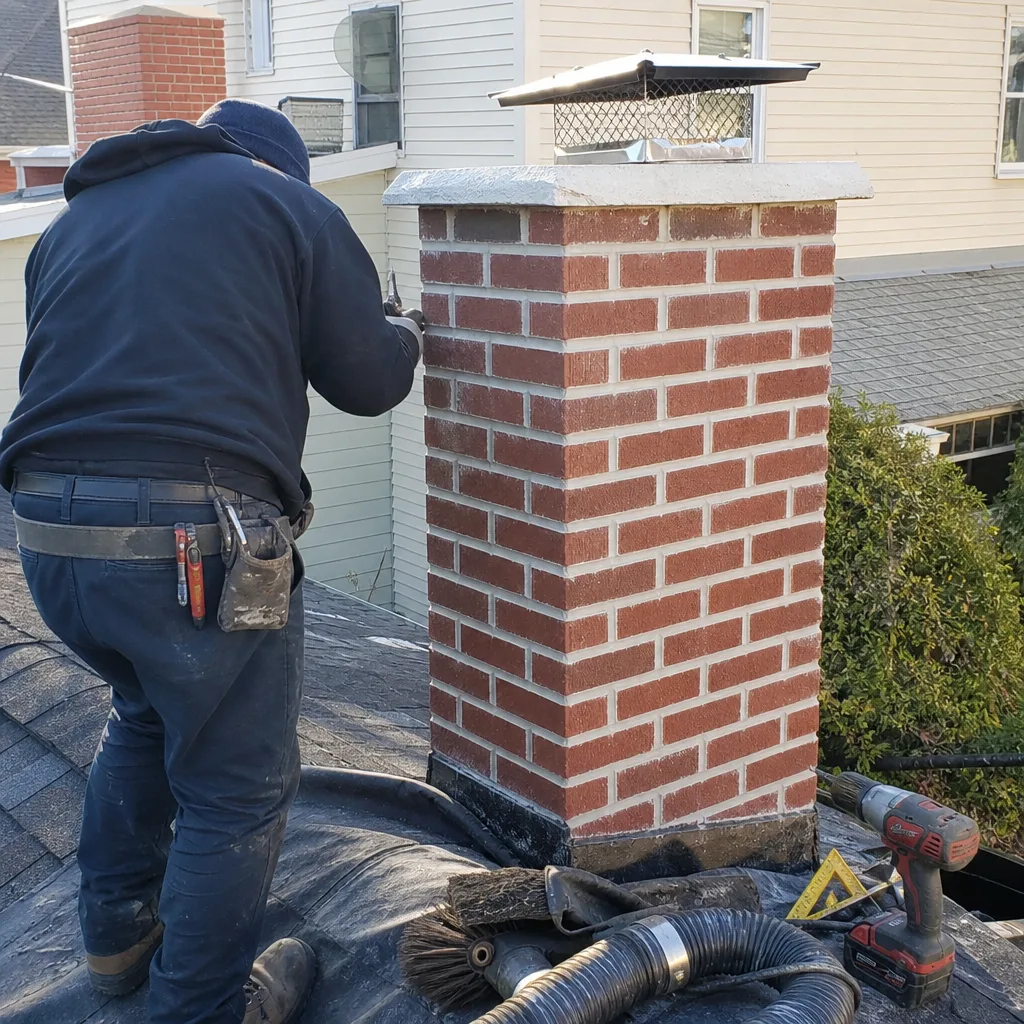
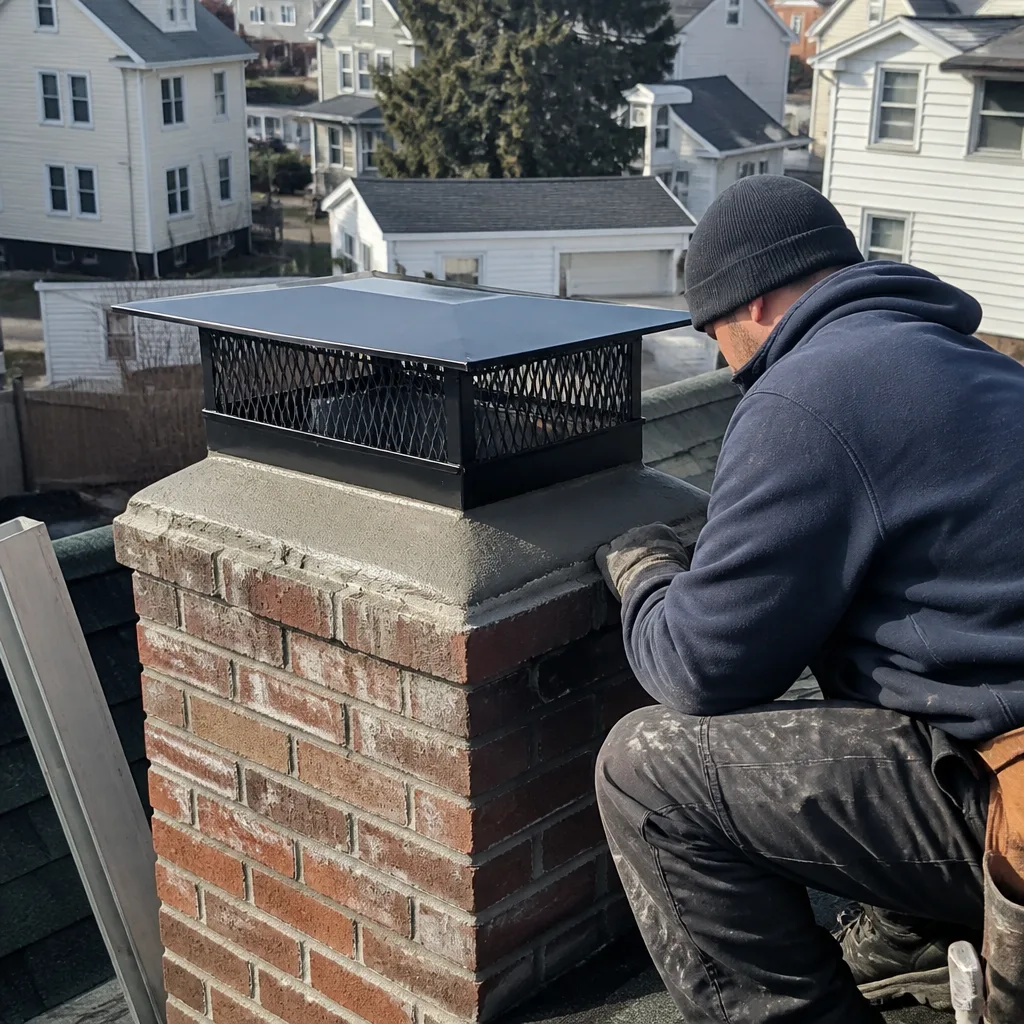
Level 1 sweep and inspection to the NFPA 211 annual standard - flue, crown, cap, and flashing checked and photographed
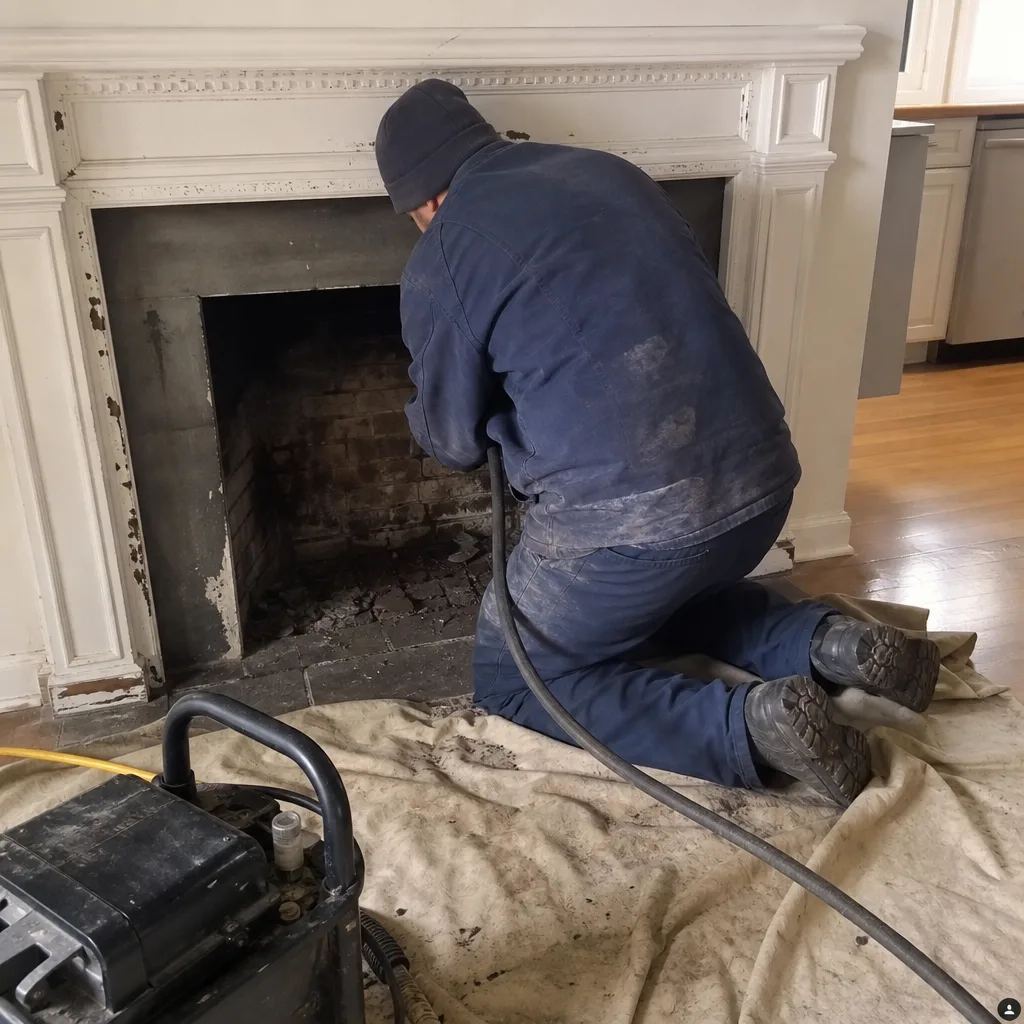
Chimney sweep logs do not sweep chimneys. They loosen some creosote - which then falls where a brush and vacuum still have to collect it.
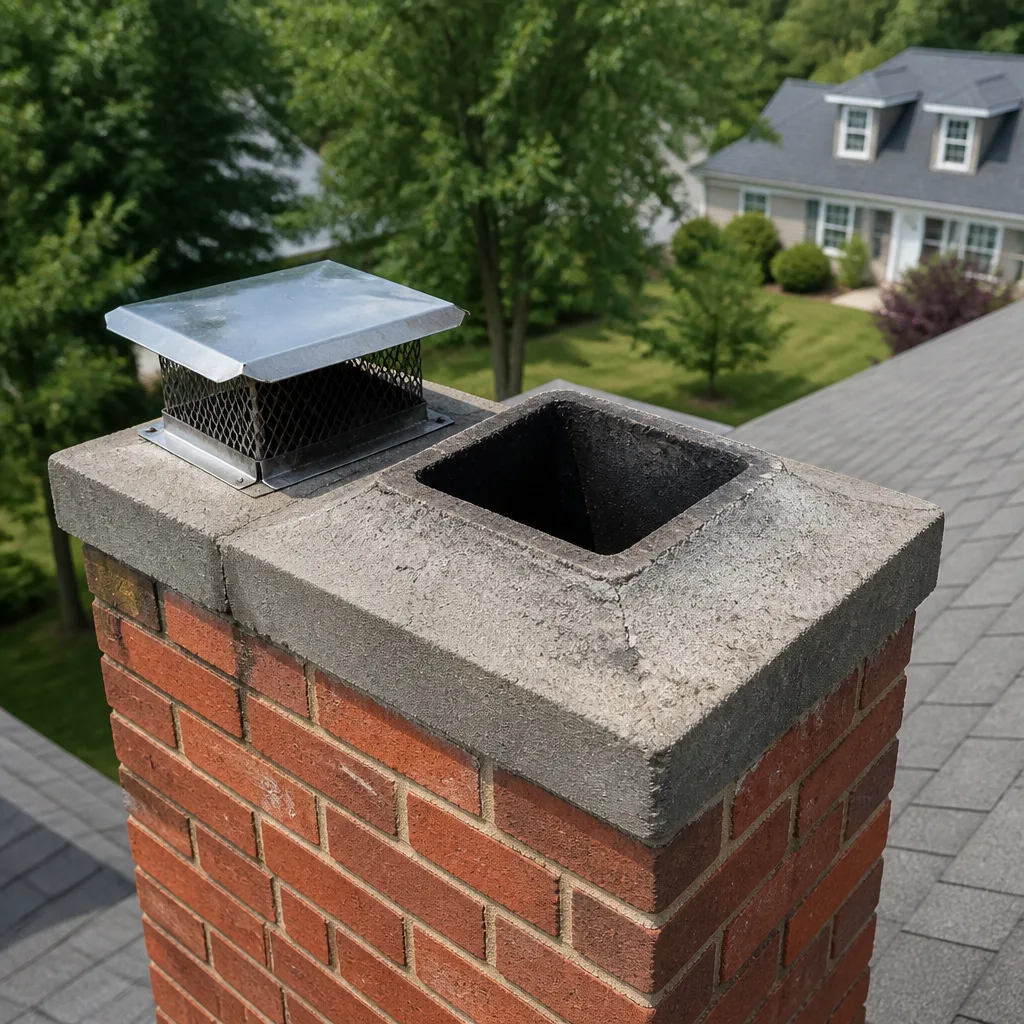
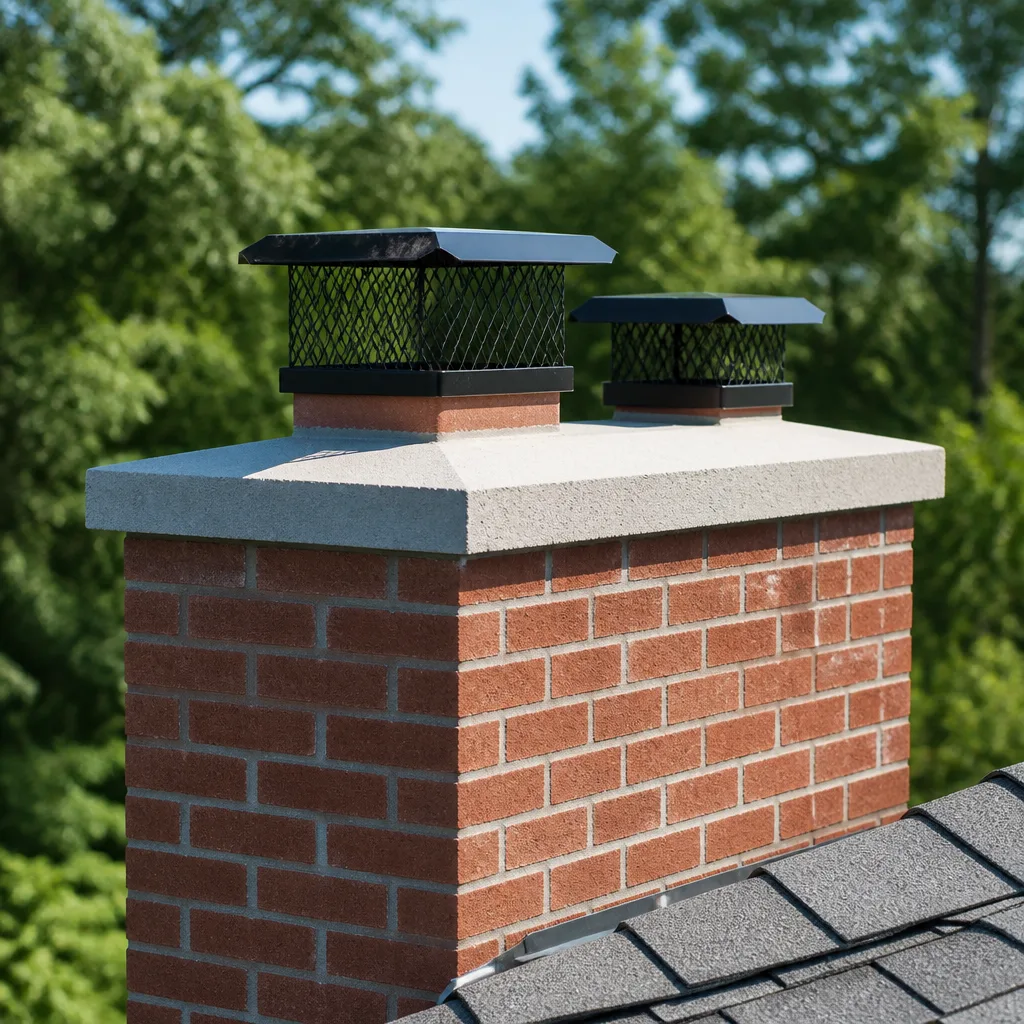
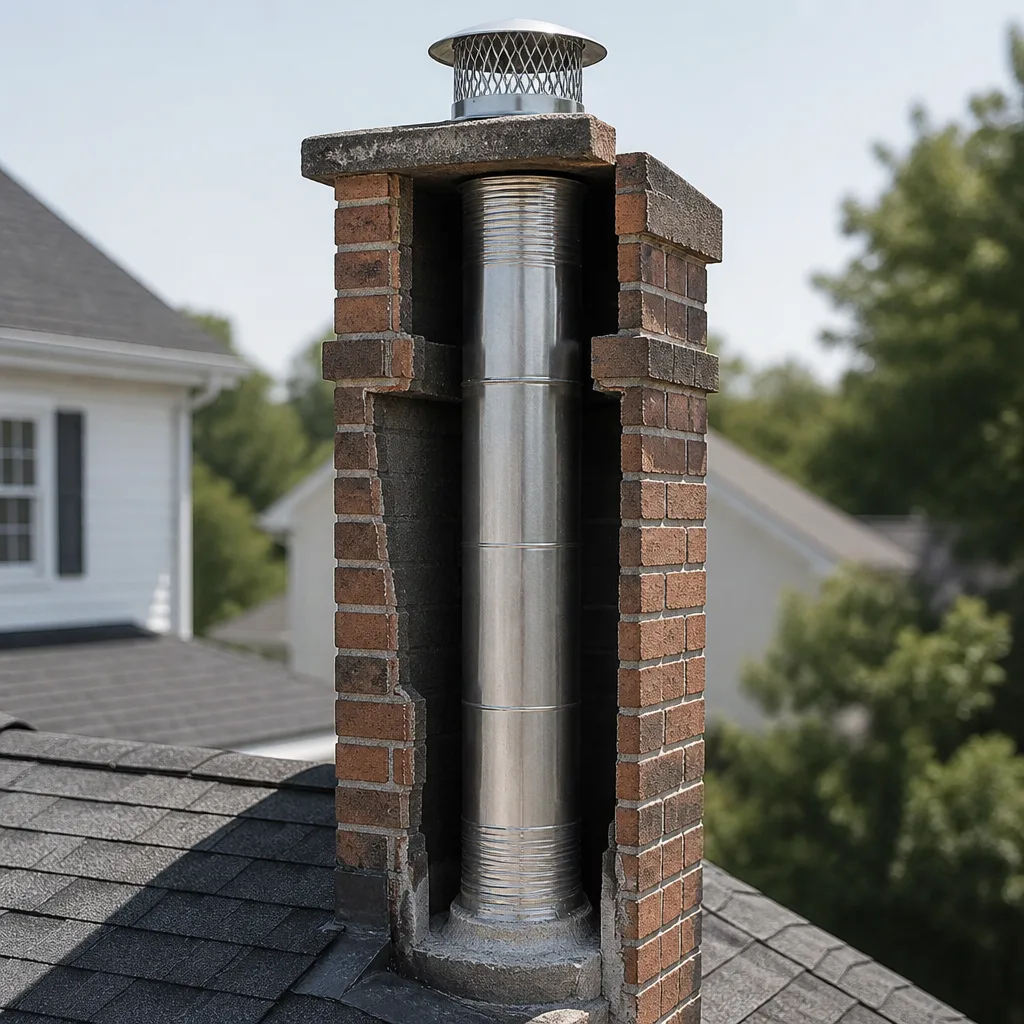
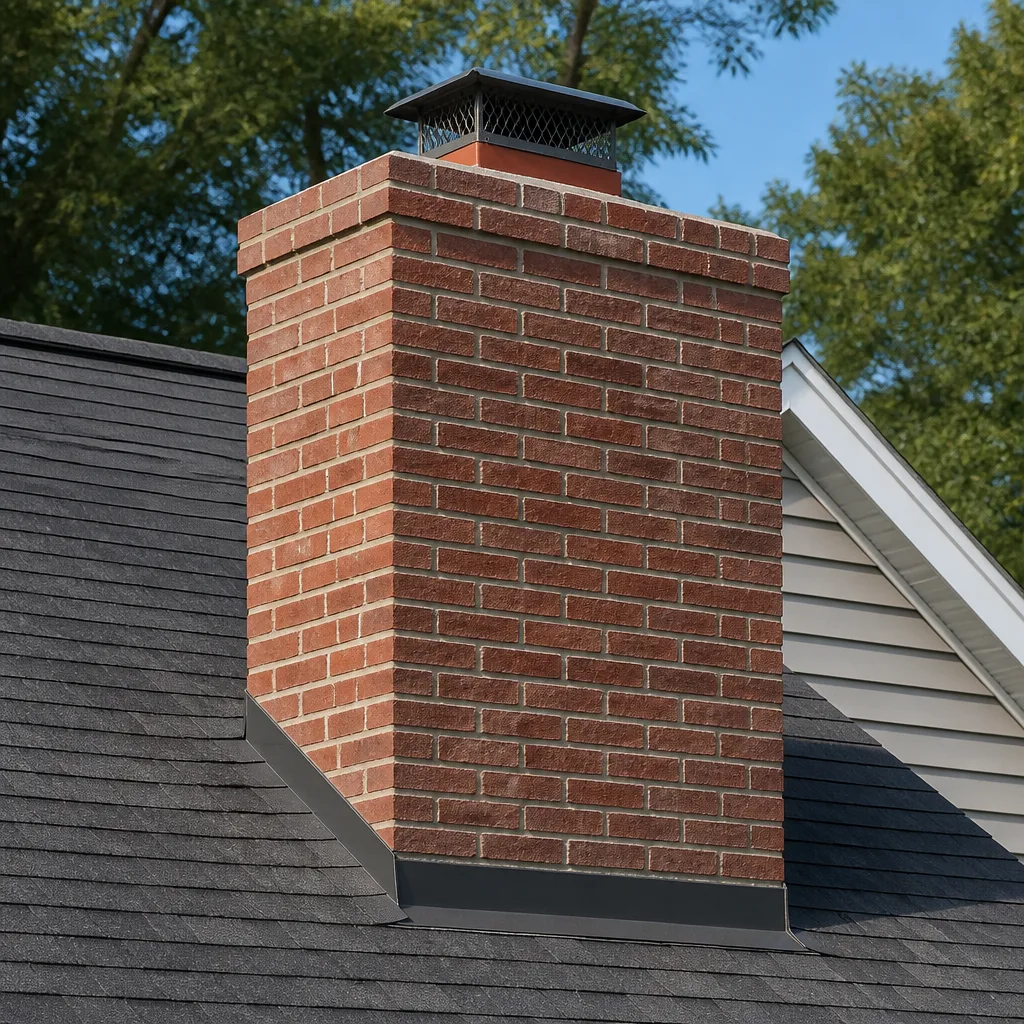
 Before
 After
After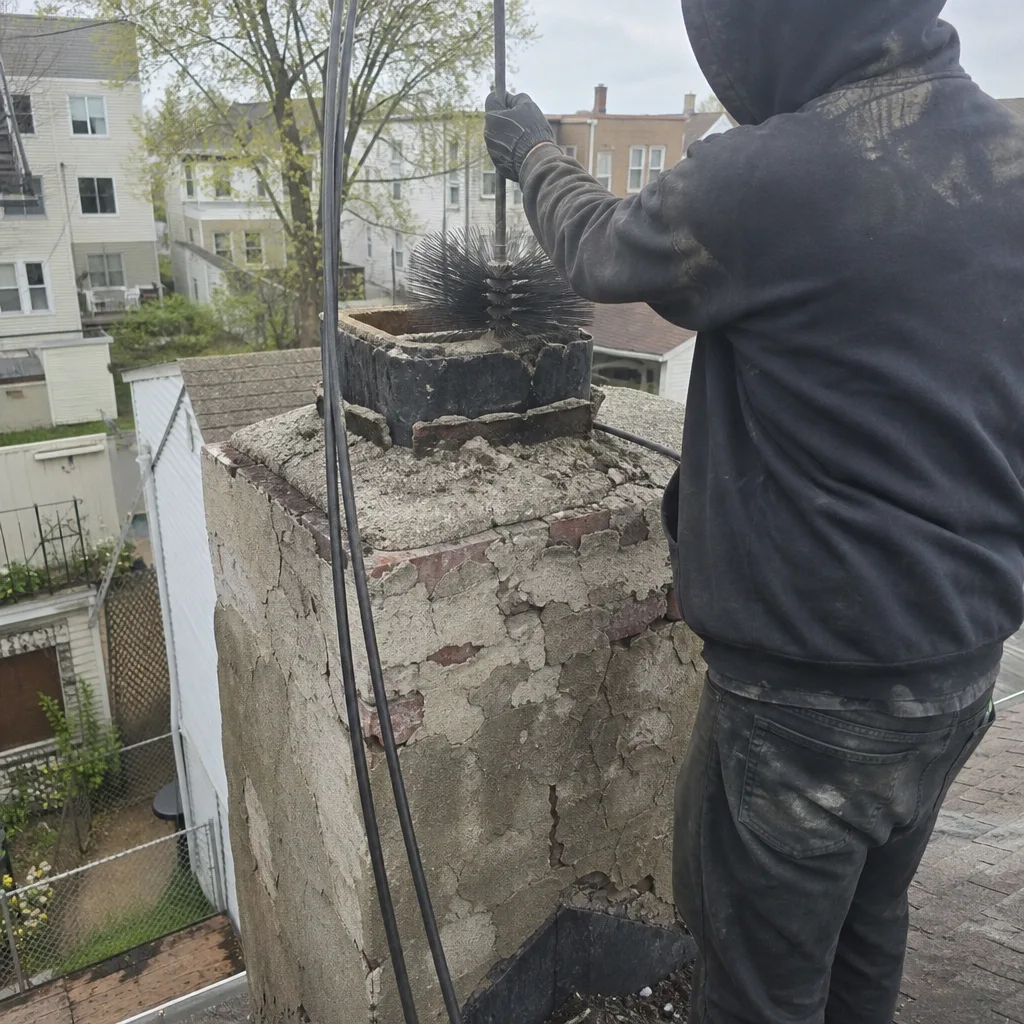 Before
 After
After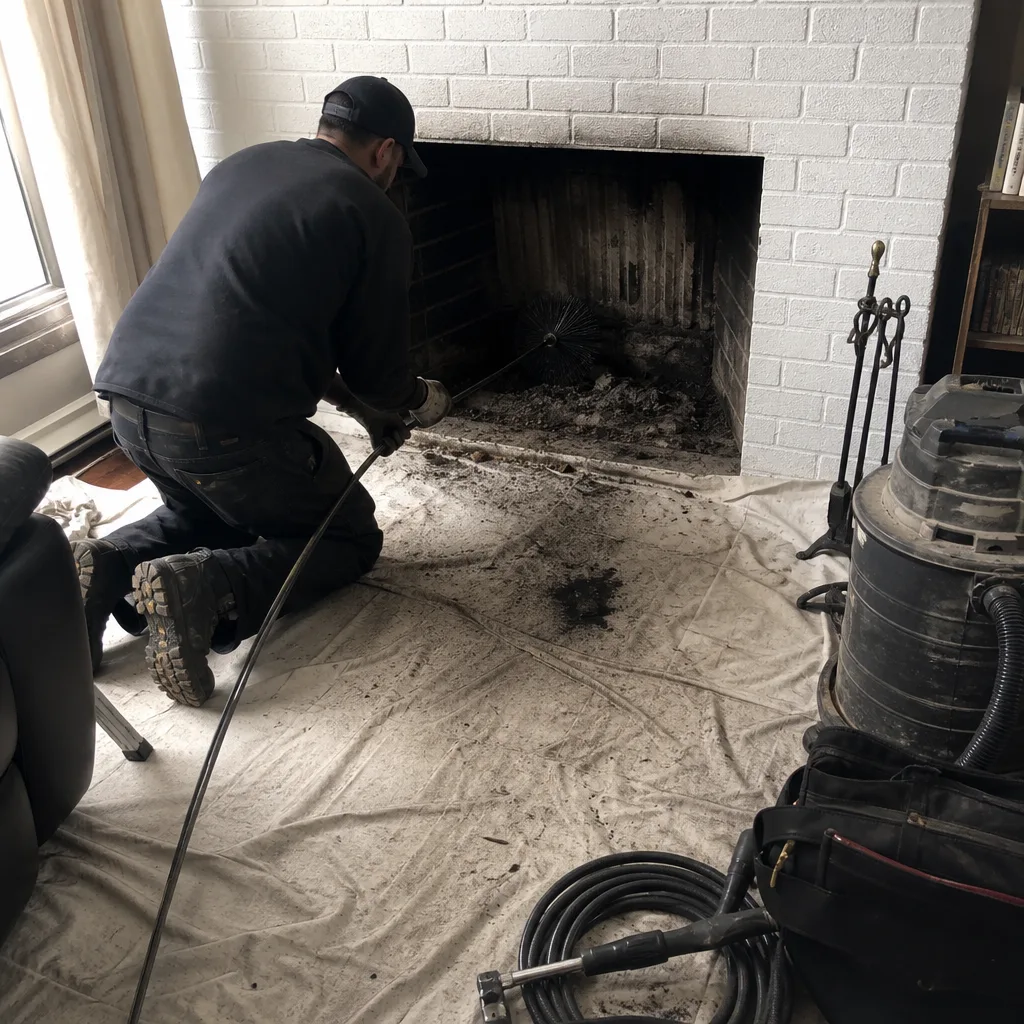 Before
 After
AfterCreosote Removal in Jersey City, NJ
Creosote removal in Jersey City typically costs between $180 and $650, depending on how much has built up and which class of deposit is present. Most standard cleanings – Class I or light Class II buildup – are resolved in a single visit, while heavy glazed deposits require a chemical treatment protocol before mechanical removal can begin. Level Two Chimney Jersey City has documented creosote conditions in Jersey City homes since 2009, and every job starts with a camera-scan inspection down the flue, a written price, and a written scope before anyone touches your chimney.
If you’ve noticed a smoky smell when the fireplace isn’t running, a dark oily residue around the damper, or it’s simply been more than a year since your last Chimney Cleaning & Sweep services visit, creosote is likely the reason you’re on this page. Call us at (862) 272-3868 – a live person answers 24 hours a day, 7 days a week – and we’ll get a technician out to take a look. Or keep reading; we’ll tell you exactly what the process involves and what it costs before you decide anything.
This page is part of our broader Chimney Cleaning & Sweep in Jersey City service. Creosote removal is one of the more technically involved parts of that work, so it gets its own page and its own explanation.
What Creosote Actually Is – and Why Jersey City Homes Build It Up Faster
Creosote is the tar-like byproduct of burning wood. When smoke rises through a flue that’s cooler than the fire producing it, the unburned hydrocarbons in that smoke condense on the liner walls. Every fire adds a little. Over a season, that layer grows.
Jersey City adds a few local wrinkles. The Hudson waterfront climate means flues are often cold before a fire starts – cold mornings in the Paulus Hook and Van Vorst neighborhoods, drafty pre-war buildings in the Heights, and brownstones along Bergen Avenue that were built when gas wasn’t an option and coal was. Many of those chimneys were lined with terra cotta in the 1920s and 1930s, and the interior dimensions don’t always match the output of a modern fireplace insert. A mismatched flue-to-firebox ratio restricts draft, slows rising smoke, and deposits creosote at a faster rate than a properly sized system would.
The NFPA classifies creosote in three classes, and the class matters because it determines what removal actually requires:
- Class I (light dusty deposits): Fine gray or black powder on the liner walls. A standard brush sweep clears it. This is what you get if you burn dry hardwood and sweep annually.
- Class II (tar-like or crunchy flakes): A harder, more condensed layer that requires heavier mechanical agitation. Rotary power-sweeping tools are typically used at this stage. Jersey City homes that burn seasoned wood but go two or three seasons without a sweep often land here.
- Class III (glazed creosote): A hard, shiny, black coating that has been through repeated heating cycles. It bonds to the liner. Standard brushes don’t remove it. This stage requires chemical treatment – applied first to convert the glaze to a friable texture – followed by mechanical removal on a second visit. Class III is a fire hazard that warrants immediate attention; a chimney fire burning glazed creosote reaches temperatures that crack or shatter terra cotta liners.
We find Class III deposits more often than people expect, particularly in Jersey City’s older stock along Communipaw Avenue and in the Journal Square area, where fireplaces sometimes sat unused for decades and were then restarted without a Level 2 Inspection first. The camera doesn’t lie about what’s on those walls.
When You Need Creosote Removal
- You smell smoke or a persistent “campfire” odor when the fireplace isn’t in use. That smell comes from creosote off-gassing through the flue walls or damper seal. It’s not cosmetic – it means buildup is present and the flue needs to be inspected.
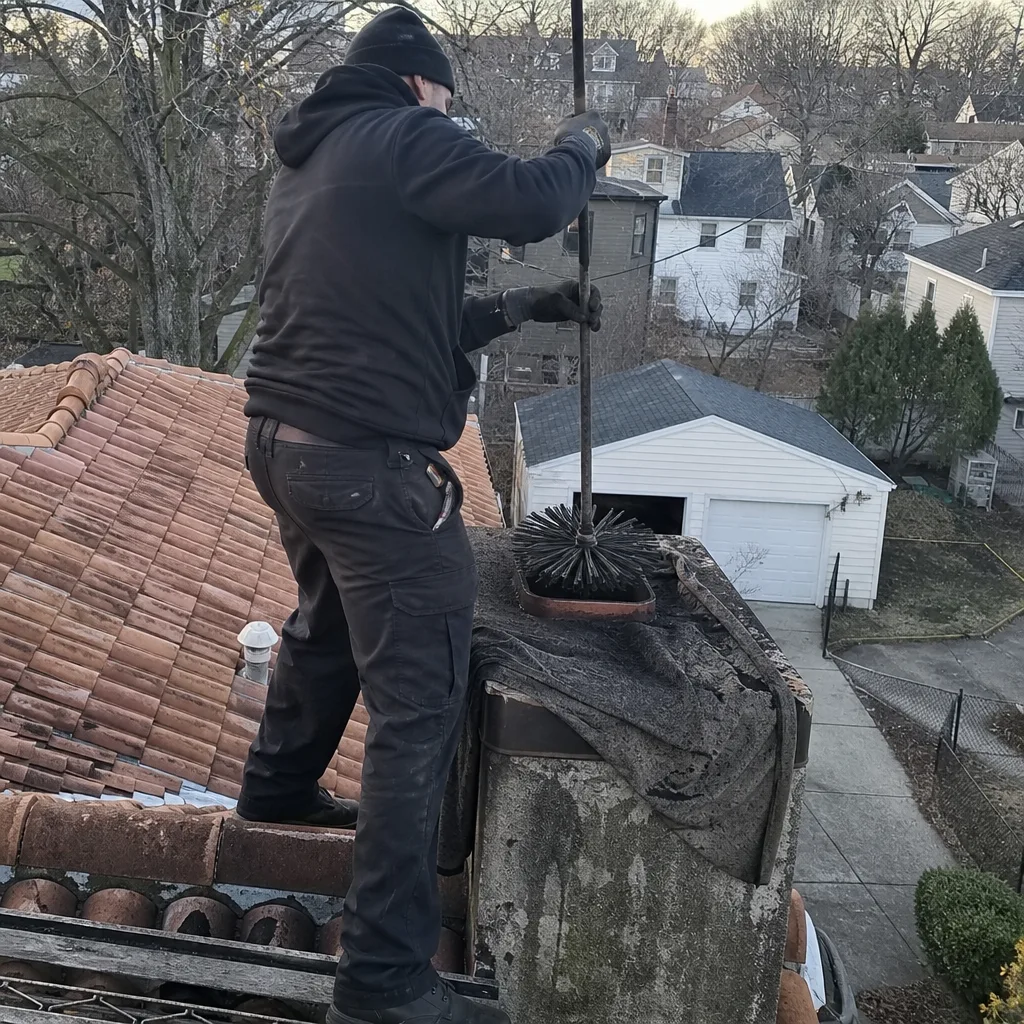
- It’s been more than one burning season since your last sweep. NFPA 211 recommends annual inspection and cleaning for any chimney in active use. Jersey City’s relatively short but intense fireplace season – October through March, with long cold stretches – is enough to put Class I deposits on track toward Class II if you skip a year.
- You’ve recently bought a home in Jersey City and have no inspection record. A prior owner’s burning habits are unknown. We’ve pulled cameras from flues in the McGinley Square area and found Class II or III deposits that hadn’t been cleaned since before the previous sale.
- You see black, flaky, or shiny deposits visible in the firebox or around the damper throat. What you can see from below is usually the smallest part of what’s on the full liner above. If you can see it without a camera, there’s more you can’t see.
- Your fire smokes back into the room or the draw feels sluggish. Heavy creosote reduces the effective diameter of the flue, restricting airflow. Poor draft can also indicate a different structural issue, but creosote restriction is one of the most common causes in older Jersey City buildings.
- You’ve had a chimney fire – even a small one. A chimney fire doesn’t always sound like a roar. Some are slow burns that go unnoticed. After any suspected chimney fire, a Level 2 inspection with camera documentation is required before the fireplace is used again. Glazed creosote that has burned in place may leave the liner compromised even if nothing dramatic happened at the firebox.
 Before
 After
AfterOur Creosote Removal Process
Every creosote removal job at Level Two Chimney Jersey City follows the same documented sequence. The steps don’t change based on what we find – the response to what we find might, but the process for determining what we’re dealing with is always the same.
- Written price and scope delivered before work starts. This is Haven Standard Clause 1. When the technician arrives, they’ll present a written price and written scope. That’s not a preliminary conversation – it’s the job description and the cost, in writing, before anyone picks up a brush. If the camera reveals something that changes the scope, you’ll see a revised written price before that additional work begins. No surprises after the fact.
- NFPA 211 Level 2 camera-scan inspection of the full flue. We run a camera down the liner from the top and document what’s there – the class of creosote, the liner condition, the smoke chamber, the damper seat. You get the photos. This inspection has been Level Two’s standard since 2009, under Haven Standard Clause 4, and it’s what tells us which removal protocol the job actually requires. A flashlight look from the firebox doesn’t show the top third of the flue, and that’s often where the worst deposits sit.
- Class-specific removal protocol. For Class I and most Class II deposits, we use commercial-grade rotary brush systems – Copperfield and Olympia Chimney equipment – sized to your flue’s exact dimensions. For Class III glazed deposits, we apply a chemical treatment (typically a Poultice Creosote Remover or equivalent) on the first visit, allow it to cure per the manufacturer’s specification, and return for mechanical removal once the glaze has converted to a removable texture. We don’t rush this step; applying mechanical agitation to untreated glazed creosote removes less and risks damaging the liner.
- Smoke chamber and smoke shelf cleaning. The smoke chamber – the tapered section just above the damper – collects a disproportionate amount of creosote because it’s the first point where rising smoke slows and cools. It gets swept and vacuumed as part of every full removal job, not as an add-on.
- Post-removal camera pass and documentation. After mechanical removal, we run the camera a second time to confirm the liner is clear and to document its condition. If the removal revealed a crack, a spalled section, or a mortar issue that wasn’t visible under the creosote, you’ll see it in the post-removal photos and in the written report. Whether that triggers additional work is your decision, not ours – we show you what’s there.
- Documented photo record and written warranty delivered before we leave. Under Haven Standard Clause 4, you receive a documented photo record of the job on completion. The 365-Day Done Right Promise is in writing on every job: if it’s not done right, we come back and make it right.
Creosote Removal Pricing in Jersey City
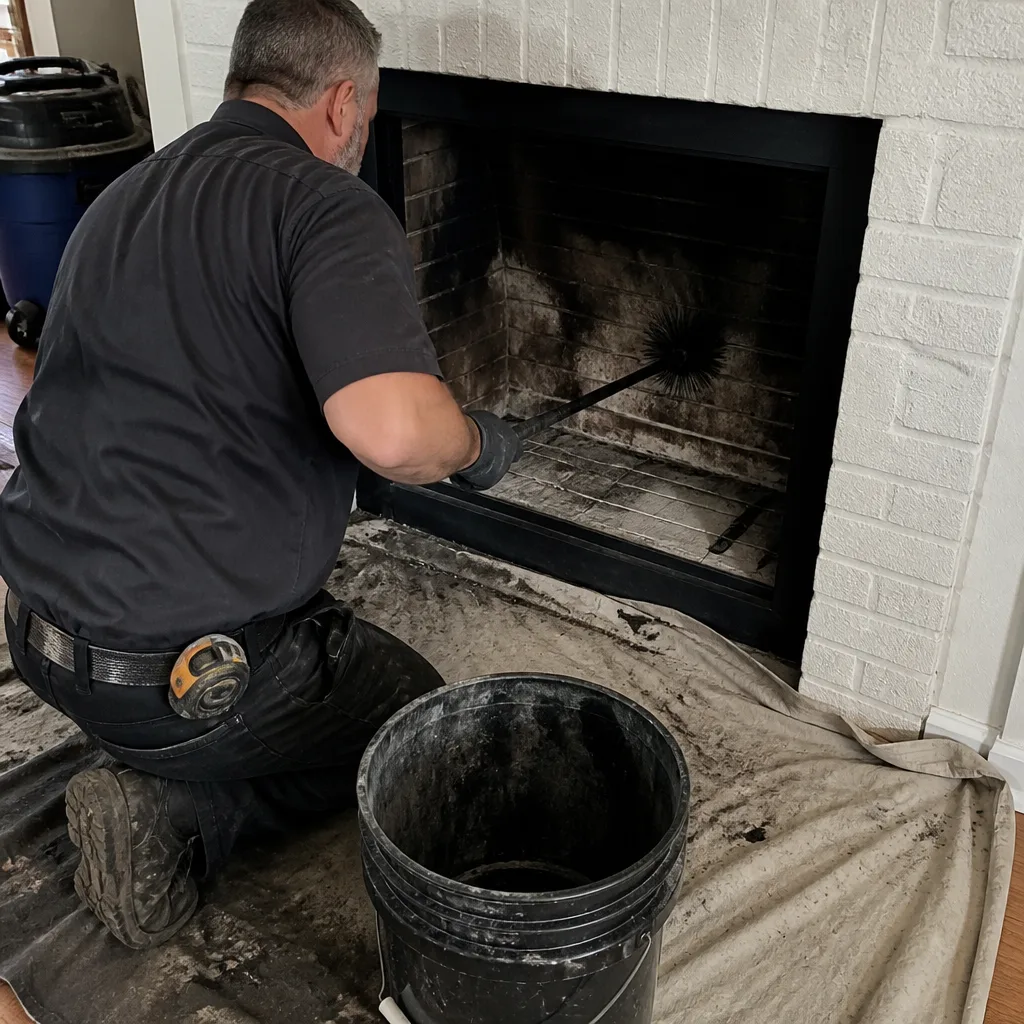
Creosote removal in Jersey City costs between $180 and $650 for most residential jobs. The range is wide because the class of deposit drives the labor and materials required, and we won’t know the exact class until the camera is down the flue. What we can tell you is that you’ll have a written price before work starts – not a ballpark over the phone, not an estimate that grows after the technician is already on the roof.
| Creosote Class | Typical Price Range | What’s Included |
|---|---|---|
| Class I (light dusty buildup) | $180 – $280 | Camera inspection, rotary brush sweep, smoke chamber cleaning, photo record |
| Class II (tar-like or crunchy flake deposits) | $260 – $420 | Camera inspection, heavy mechanical sweep, smoke chamber cleaning, photo record |
| Class III (glazed creosote – two-visit protocol) | $420 – $650 | Camera inspection, chemical treatment visit, return mechanical removal, post-removal camera pass, photo record |
A few things affect where a specific job falls within those ranges: flue height and configuration, the number of bends or offsets in the liner, whether the smoke chamber needs significant attention, and whether liner damage found under the creosote requires repair before the fireplace can be used again. Liner repair is quoted separately and in writing if it comes up.
If you have a written estimate from another company, we offer a Free Second Opinion at no cost. Bring us the written quote and we’ll review it against what our camera shows. This isn’t a sales tactic; it’s a check on whether the scope described matches the actual condition of the flue.
Call (862) 272-3868 to schedule. Estimates are free, and you’ll have a written price before any work begins.
FAQs – Creosote Removal
How much does creosote removal cost in Jersey City?
Creosote removal in Jersey City costs between $180 and $650 for most residential jobs, depending on the class of buildup. Class I (light dusty deposits) runs $180-$280. Class II (harder, flaky deposits) runs $260-$420. Class III glazed creosote, which requires a two-visit chemical and mechanical protocol, runs $420-$650. Every job at Level Two Chimney Jersey City comes with a written price before work starts – call (862) 272-3868 and we’ll schedule the camera inspection so you have an exact figure in hand before any work begins.
Is creosote removal dangerous – can I clean it myself?
Class I creosote (fine dusty deposits) can be partially addressed with consumer chimney brushes if you’re comfortable on a roof and have the right equipment, but the camera inspection that reveals the class in the first place requires professional equipment. More critically, Class II and Class III deposits require rotary power tools and chemical treatments that aren’t available to consumers, and misidentifying glazed Class III creosote as a simpler problem is a documented cause of chimney fires. High-tension systems, confined working heights on Jersey City rowhomes, and proximity to active flue gases make this work genuinely hazardous. The realistic answer is that professional removal is the safer path for anything beyond a light annual sweep, and even then, a camera inspection should come first.
How often does creosote need to be removed?
NFPA 211 recommends inspecting and Fireplace Cleaning at least once per year if the fireplace is in active use. In Jersey City, the cold-start conditions and many older flue configurations mean buildup can accumulate faster than the national average for a given burning volume. Homes that burn unseasoned or “green” wood, run low-temperature smoldering fires, or have undersized flues for their firebox can reach Class II buildup in a single season. The honest answer is: after every burning season, and before you start again in the fall.
What’s the difference between a chimney sweep and creosote removal?
A standard chimney sweep is an annual cleaning that clears Class I deposits and checks the flue condition – it’s what keeps a well-maintained chimney in good shape. Creosote removal is the more involved process required when buildup has advanced to Class II or Class III, where standard brushes aren’t sufficient and chemical pre-treatment or rotary power tools are needed. Every Level Two Chimney job includes a camera inspection first, so we know before starting which protocol the flue actually needs. A sweep that skips the camera pass may miss Class III glazing entirely because it’s not visible from the firebox opening.
What You’ll Have When We Leave
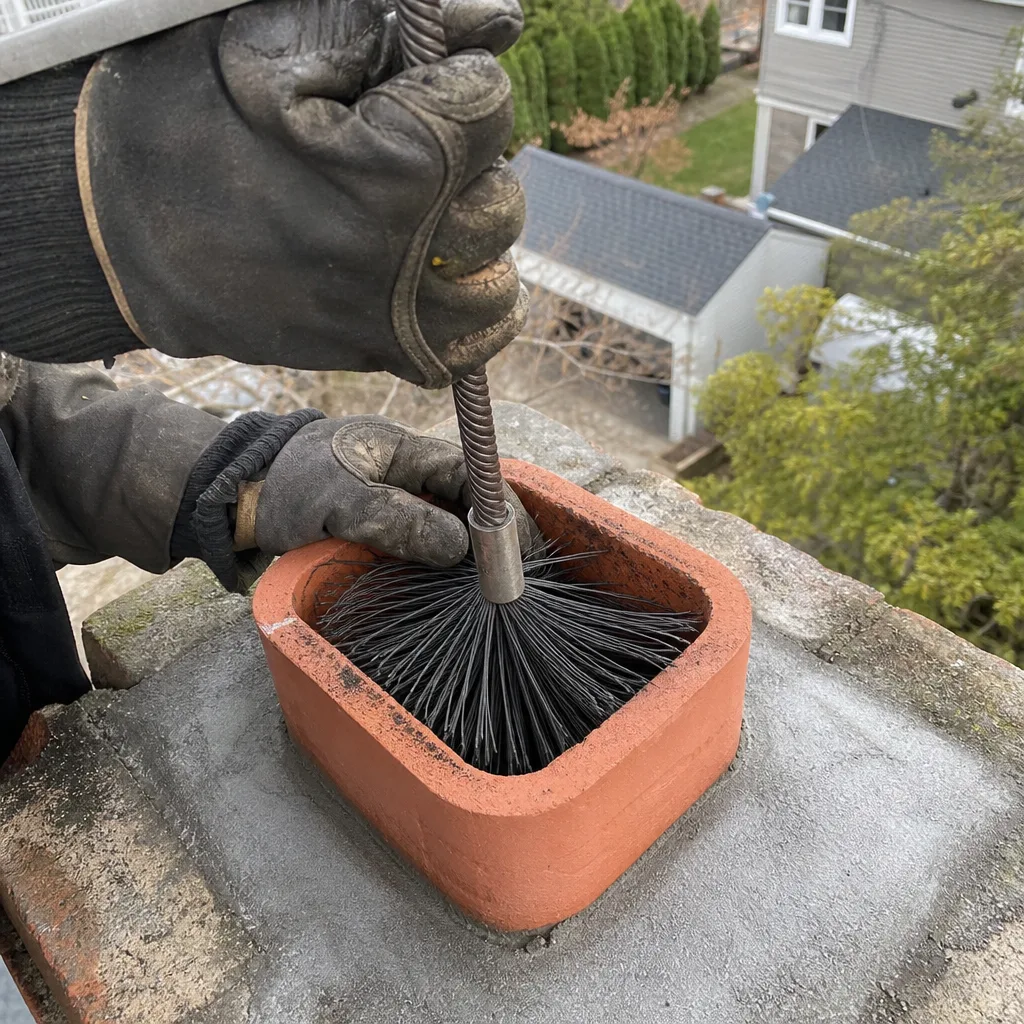
This is worth being specific about, because “we cleaned your chimney” isn’t documentation you can take to an insurer or reference when you sell the home.
- A written record of the creosote class found before removal and the liner condition documented after
- Camera photos of the flue – pre-removal and post-removal – filed under your address
- A written scope of what was done, matched to the written price you approved before work started
- A written warranty backed by the 365-Day Done Right Promise
That documentation is Haven Standard Clause 4 applied to every job, not a premium option. If you ever need to show an insurer that your chimney was professionally cleaned and inspected, you’ll have the paperwork to do it.
For Jersey City homeowners in neighborhoods like Bergen-Lafayette, Greenville, and the Heights, where pre-war fireplace systems are common and inspection records from previous owners are often missing, that documented file is the only reliable baseline you’ll have going forward.
Schedule Creosote Removal in Jersey City
If you’re ready to book or just want a straight answer about what’s in your flue, call Level Two Chimney Jersey City at (862) 272-3868. A live person picks up 24 hours a day, 7 days a week – not a voicemail, not a web form. We’ll schedule the camera-scan inspection, you’ll have a written price before any work begins, and if it turns out the flue is in good shape, we’ll tell you that too.
Written by Corrine Halstead, Owner at Level Two Chimney Jersey City, serving Jersey City.