
Level 1 sweep and inspection to the NFPA 211 annual standard - flue, crown, cap, and flashing checked and photographed
Chimney sweep logs do not sweep chimneys. They loosen some creosote - which then falls where a brush and vacuum still have to collect it.
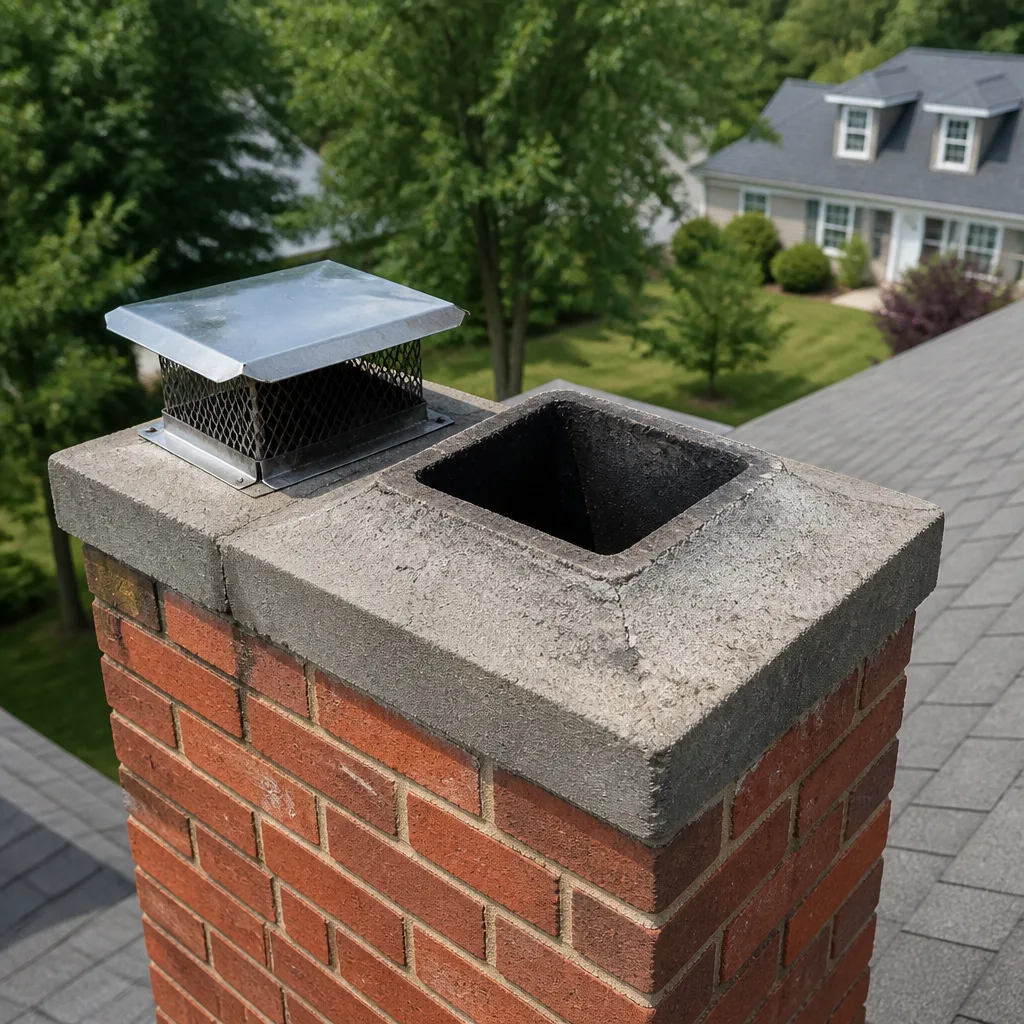
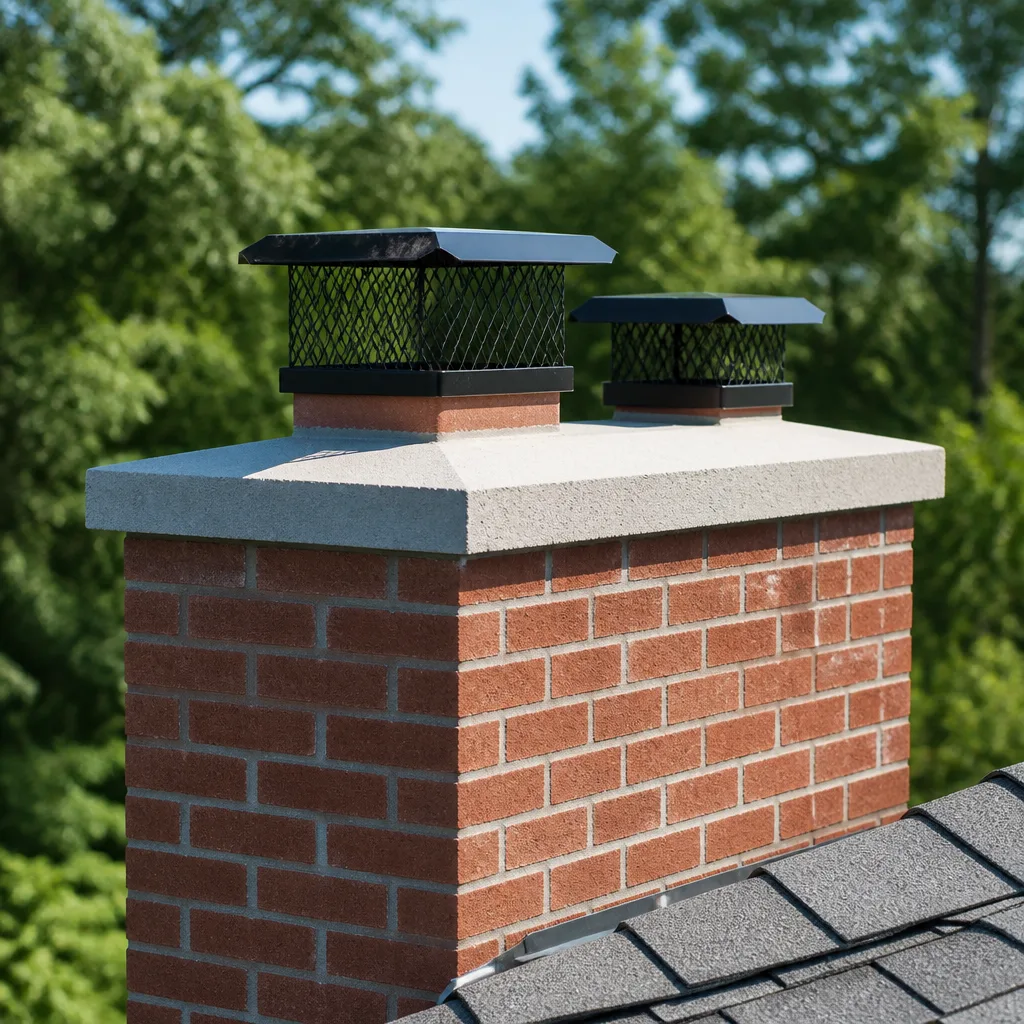
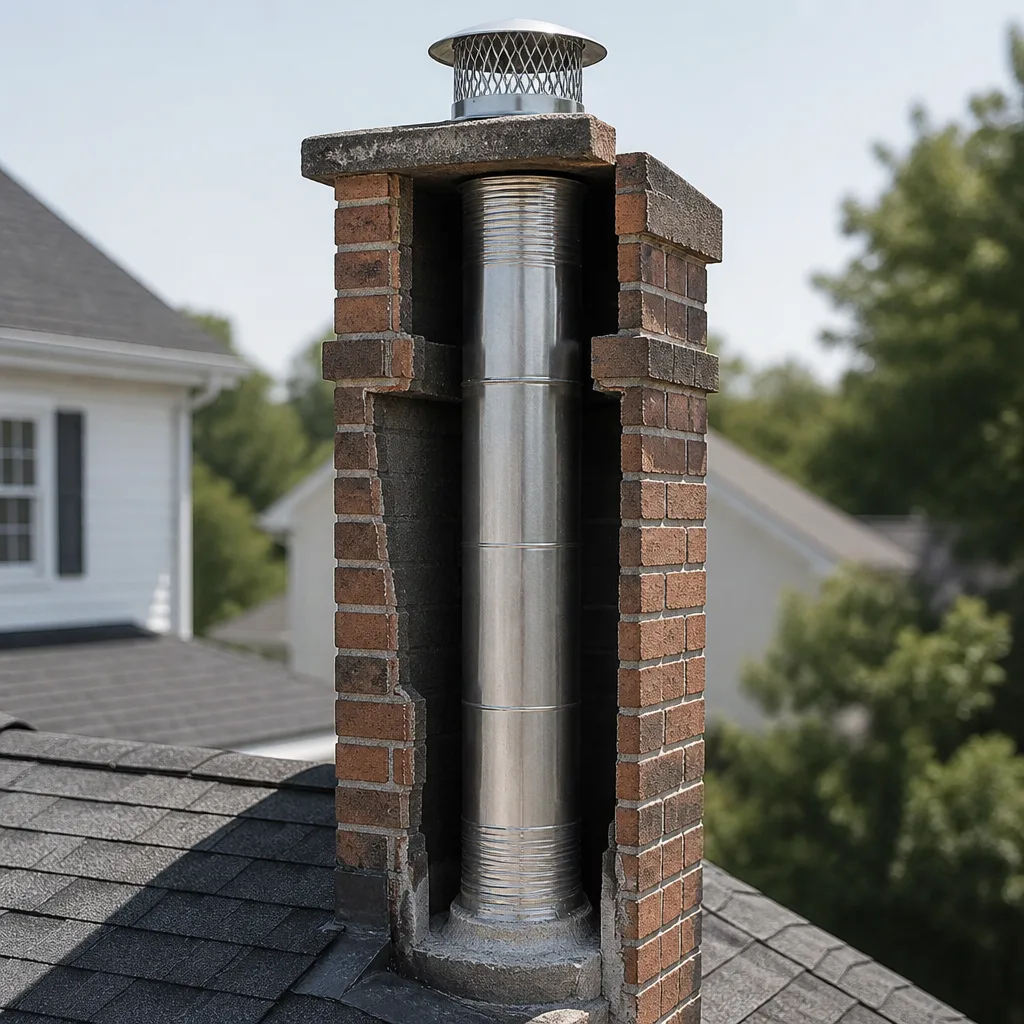
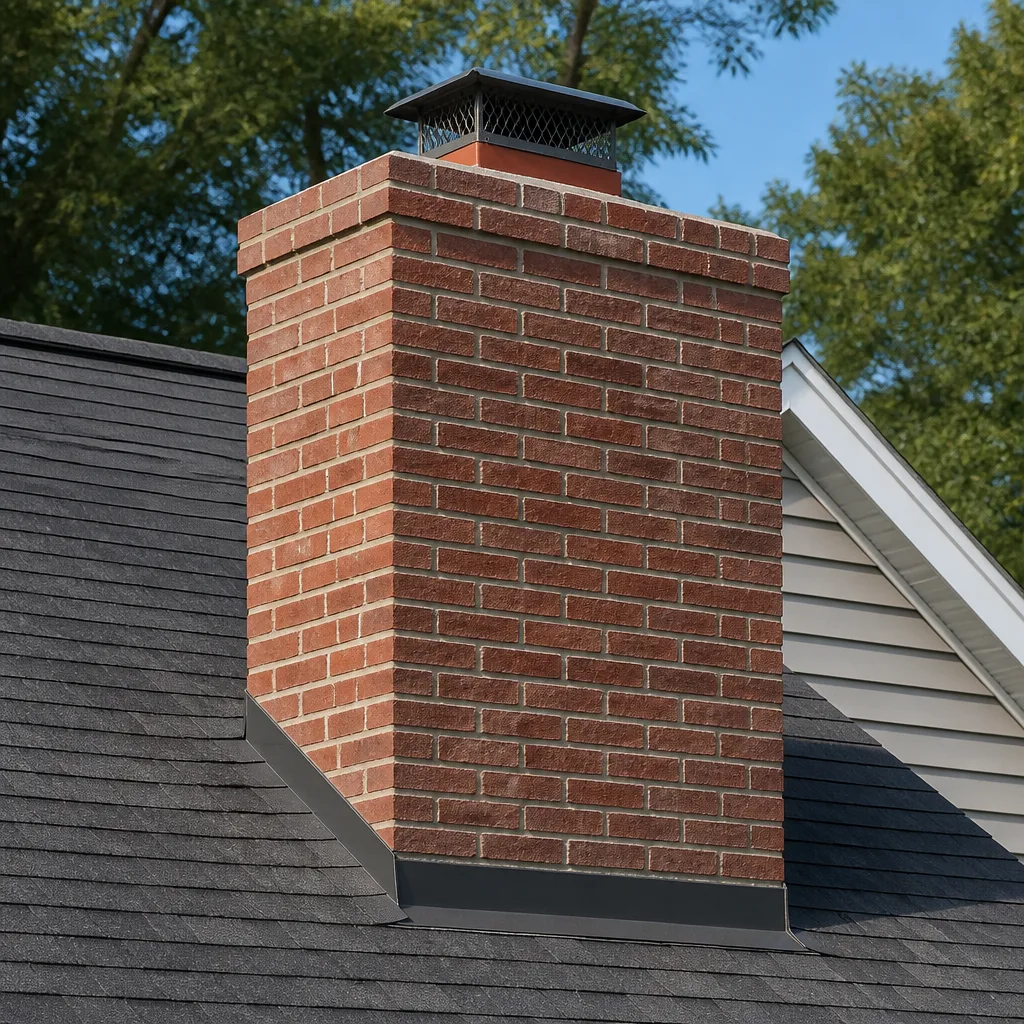
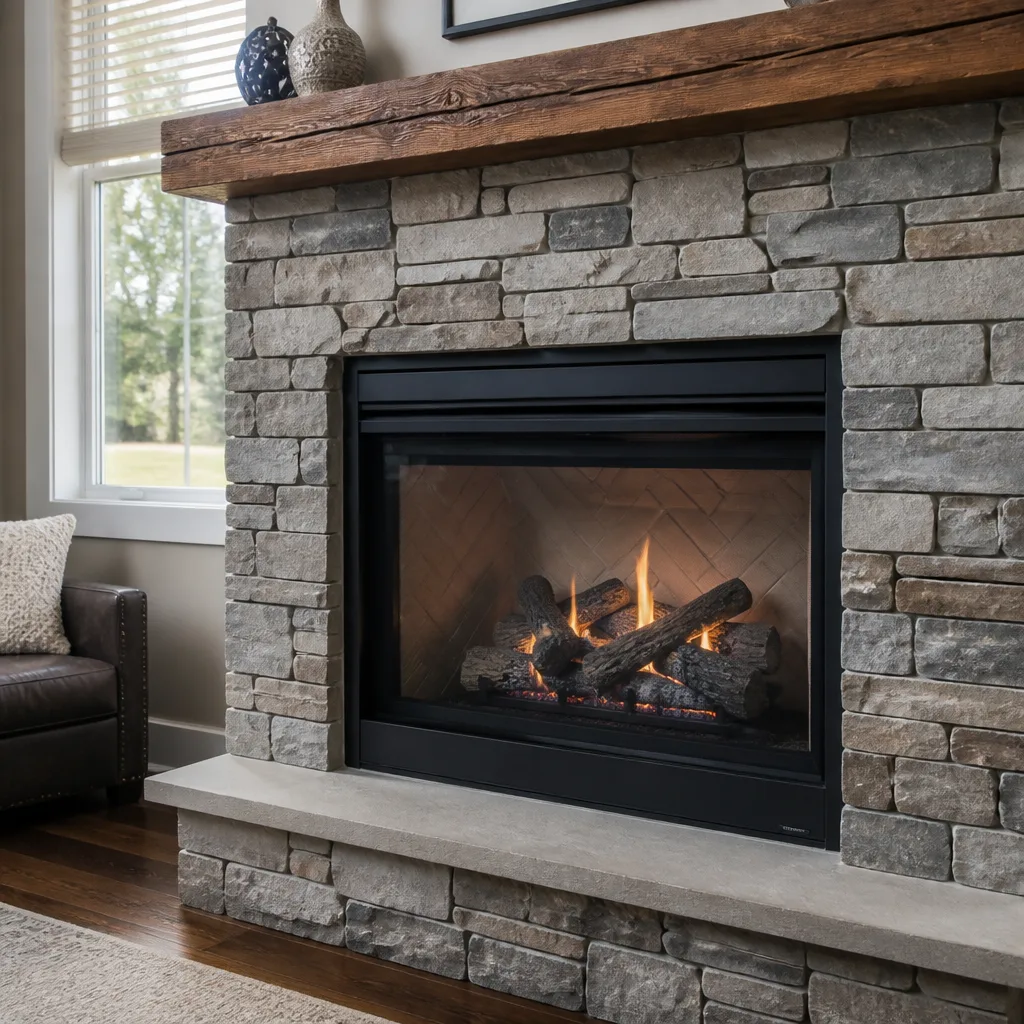
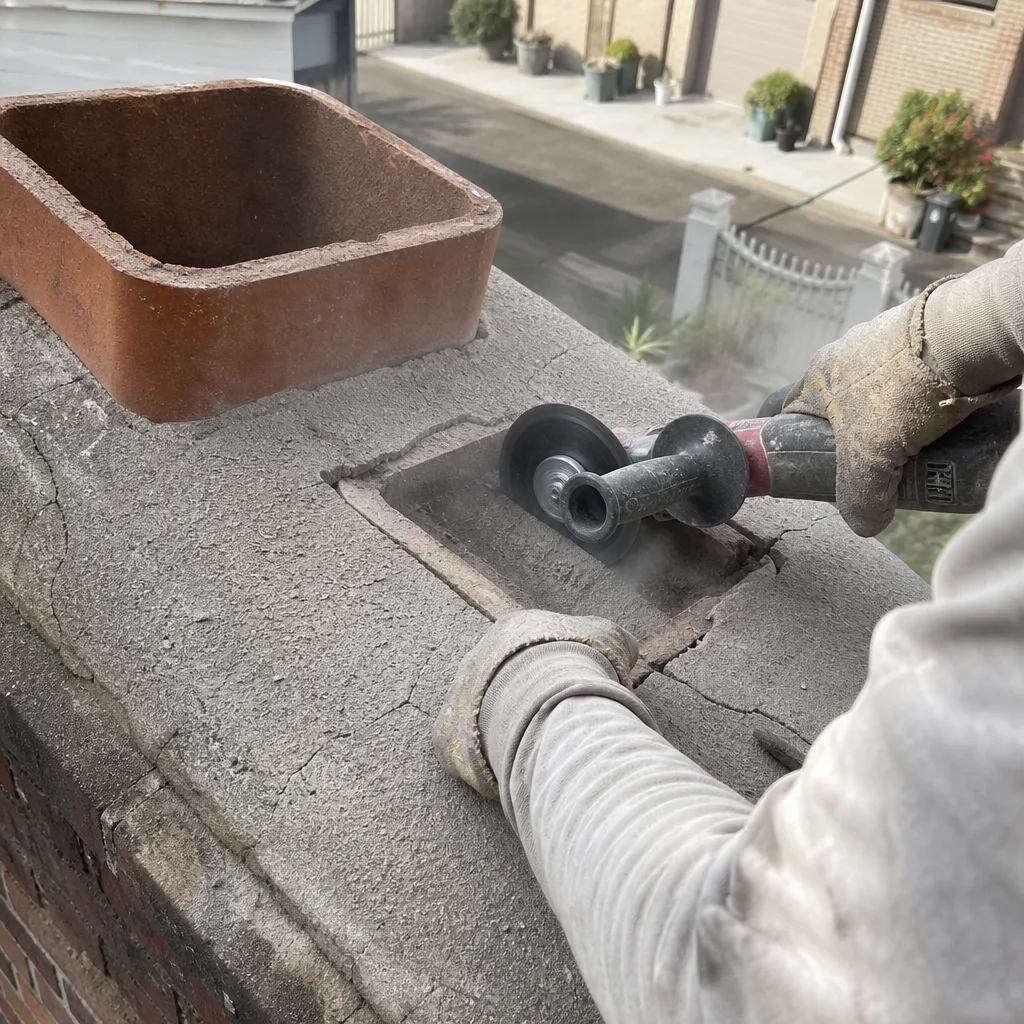
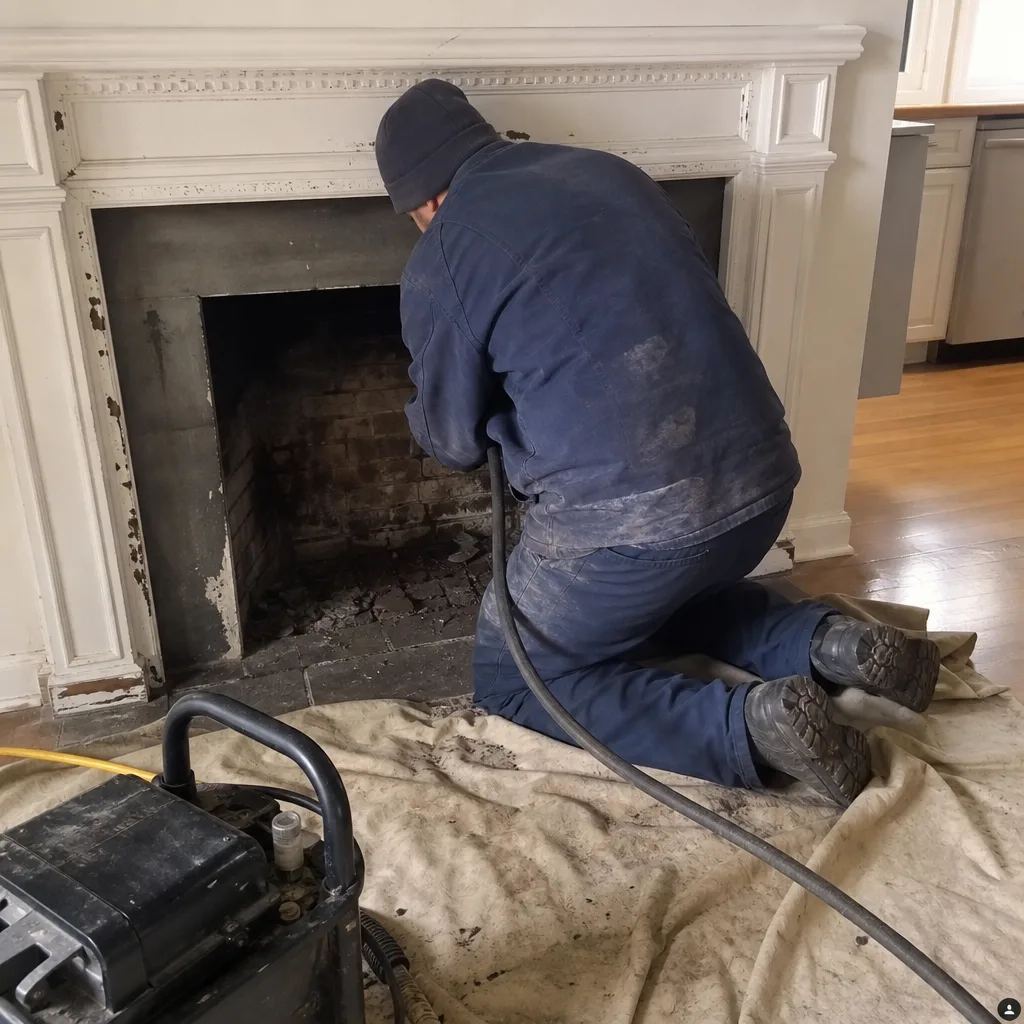 Before
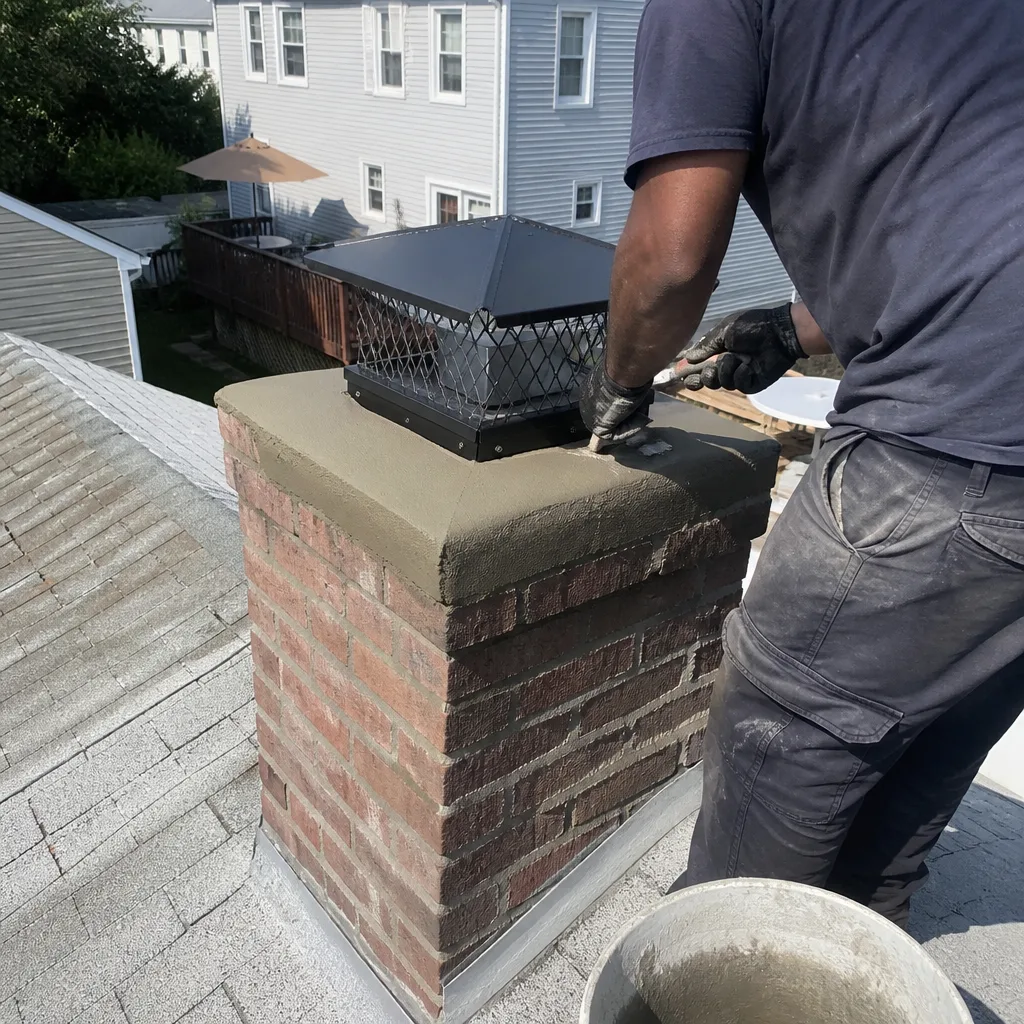 After
After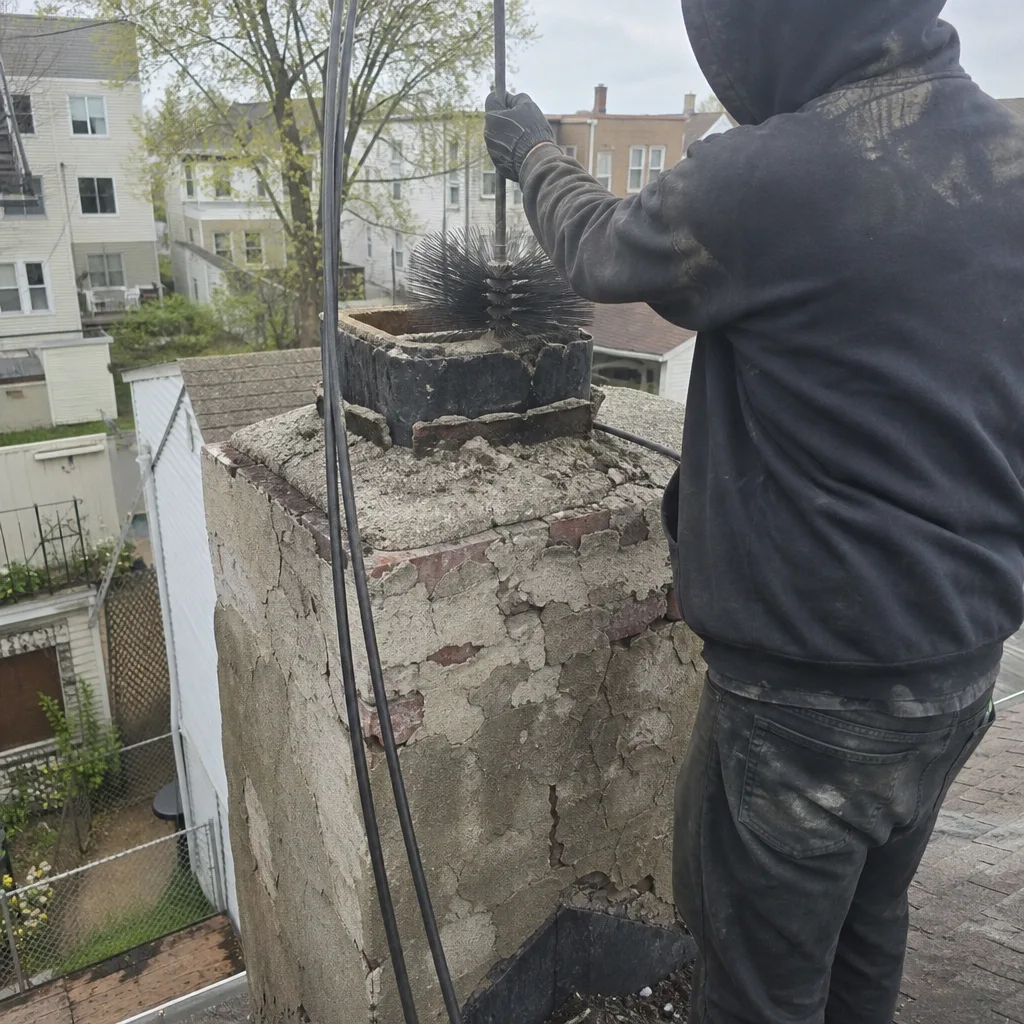 Before
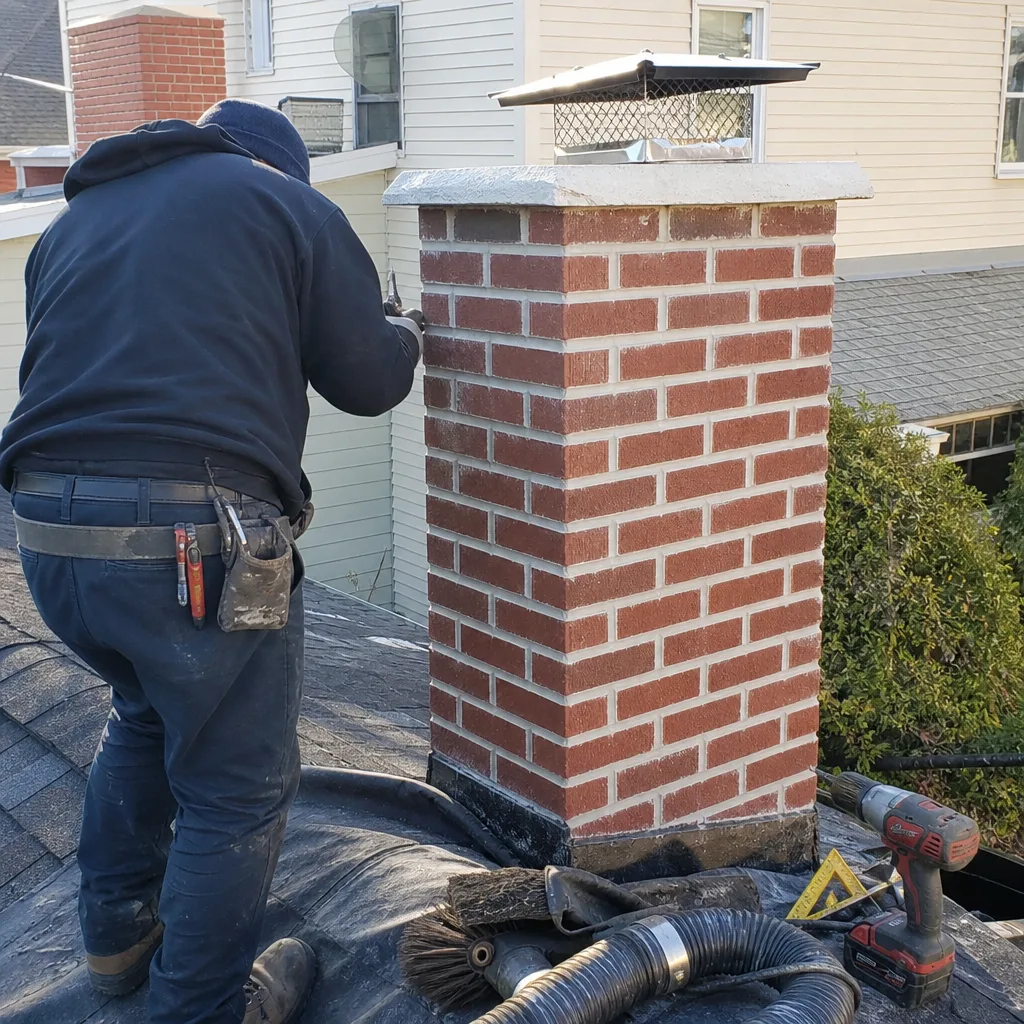 After
After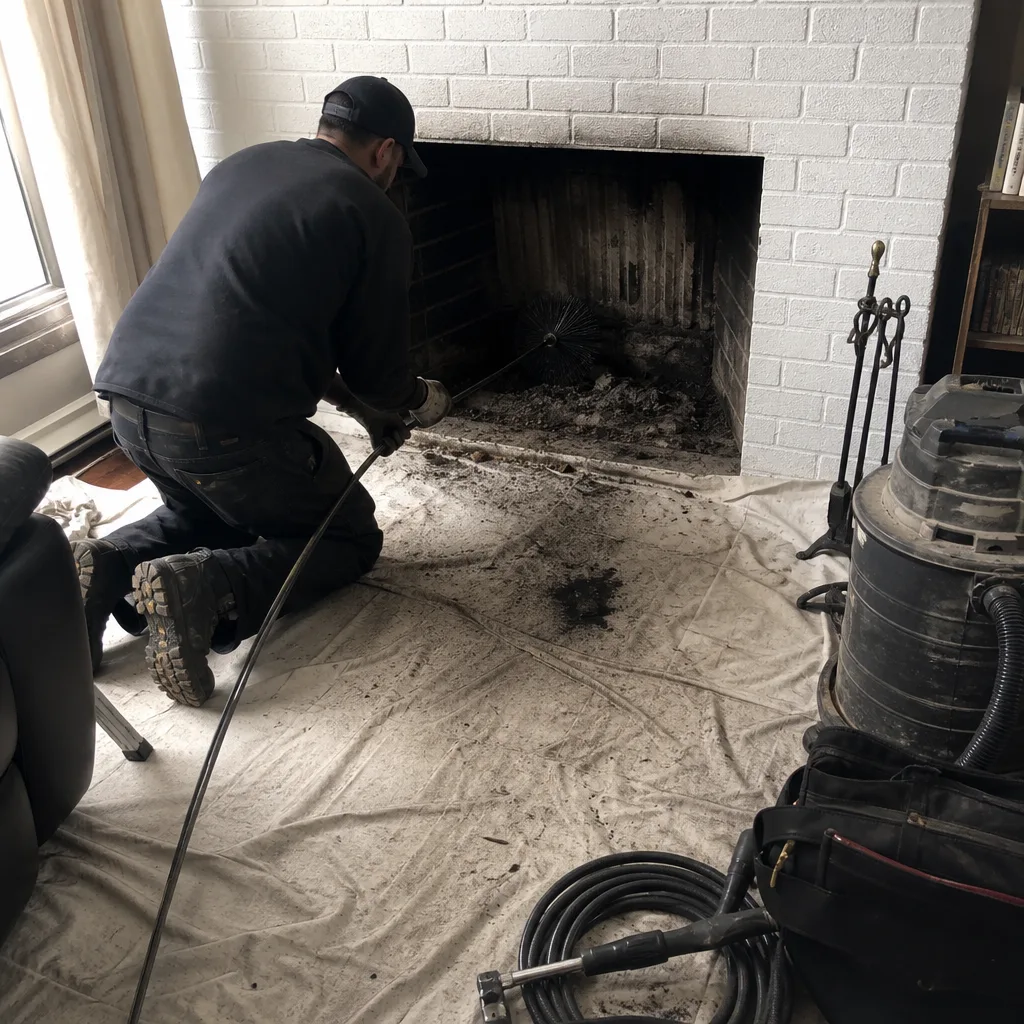 Before
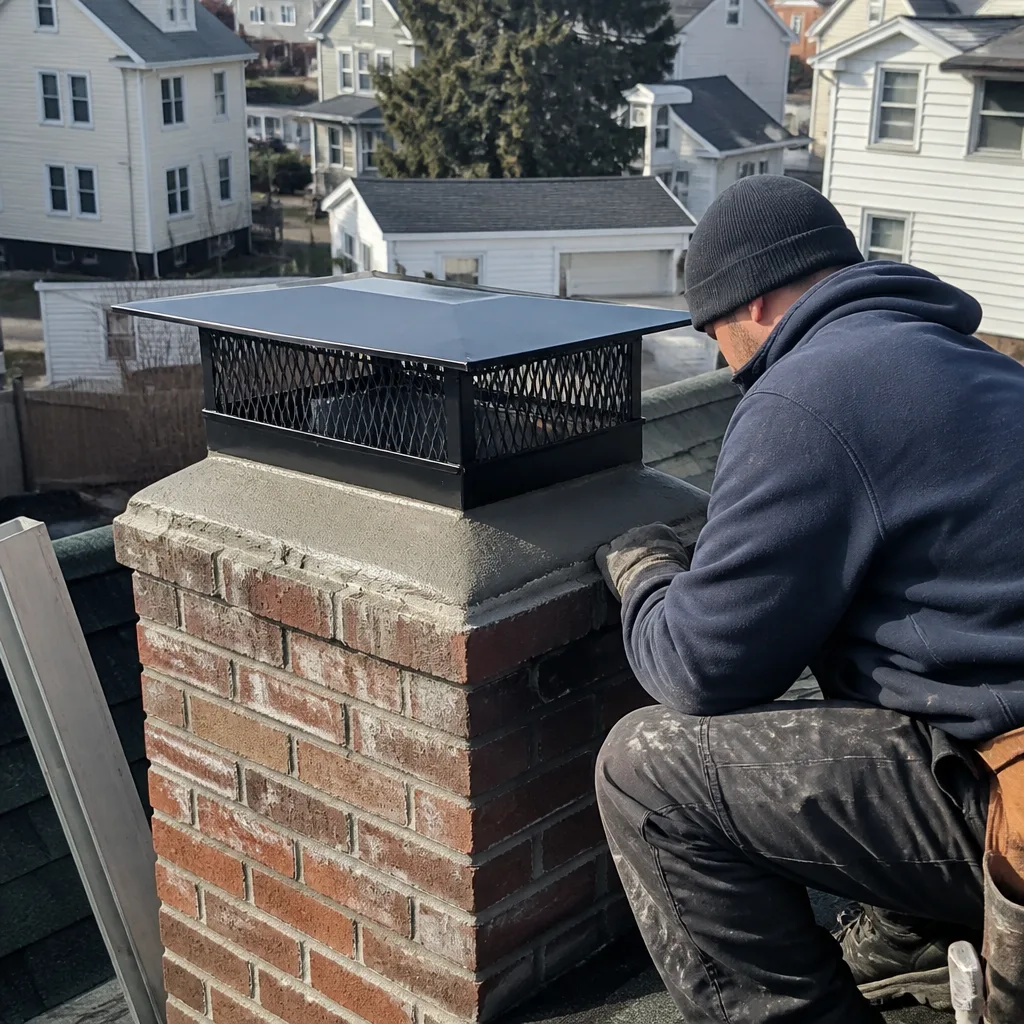 After
AfterFast, Reliable Chimney Repair Across Long Island City
Chimney repair in Long Island City, NY typically costs $450-$2,800 depending on what’s actually wrong, and most jobs can be scheduled within 5-10 business days. We work on rowhouses in Hunters Point, loft conversions near Court Square, and the newer high-rises along the East River waterfront. If you’ve got a chimney that’s leaking, spalling, or failing a DOB inspection, call us at (862) 272-3868 and we’ll put a written price in your hand before any work starts.
Long Island City is not a typical New York neighborhood, and the chimneys here aren’t typical either. A lot of what we repair in LIC was never built for a fireplace. It was built for a factory boiler, a manufacturing process, or a heating oil system that hasn’t existed for decades. That changes what the repair looks like. It changes what the NYC Building Code requires. And it changes how much it costs. Knowing that difference before you hire someone is the whole game.
Why Level Two Chimney Jersey City Is Long Island City’s Preferred Chimney Repair Company
Long Island City homeowners call us for one reason more than any other: we put a camera down the flue and show you what’s there before we quote a dollar. That’s not an upsell. It’s Clause 4 of the Haven Standard, and it’s been our default on every inspection since 2009. In a neighborhood where condo boards and engineers are asking for documentation, having a photo record of your chimney’s condition isn’t optional. It’s the thing that clears a closing.
Our technicians know the buildings around Long Island City. They know the pre-war rowhouses on Vernon Boulevard with oil-to-gas conversion flues. They know the converted lofts on Jackson Avenue with 60-foot industrial stacks. They know what the DOB auditor is going to ask for when a buyer’s engineer flags an uncertified flue. That local knowledge changes how we diagnose, how we write the scope, and how we price the work.
Corrine Halstead runs our team, and the standard is simple: written scope, written price, written warranty, and a documented photo record on every job. If it’s not done right, the 365-Day Done Right Promise means we come back and make it right. That’s how we’ve handled more than 38,000 chimney inspections and cleanings since 2009, with license information on every page and a named tech assigned to every visit.
Our Chimney Repair Services in Long Island City
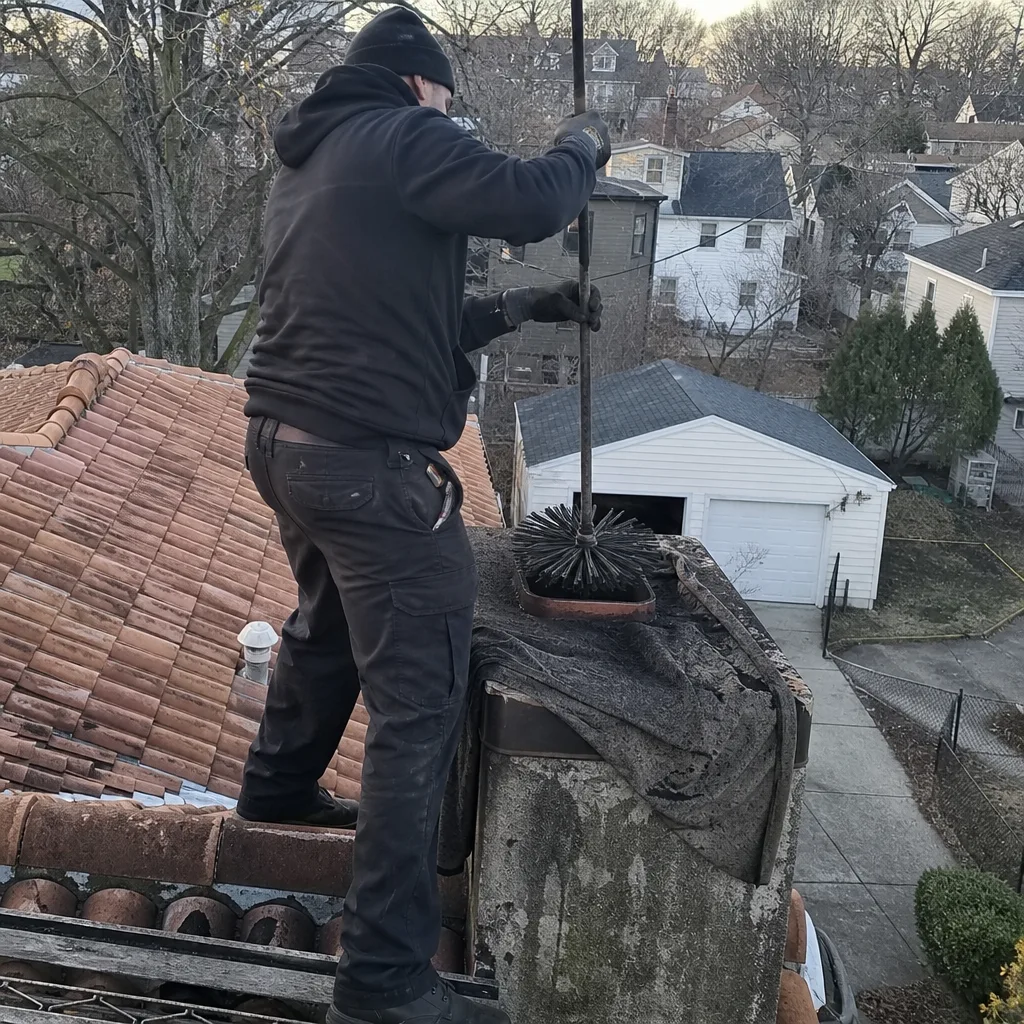
We repair chimneys across the full range of Long Island City housing stock: brick rowhouses, converted industrial buildings, and newer multifamily construction. Four repairs dominate our LIC work. Here’s what they are and what they cost, in plain terms.
Mortar Repointing
Mortar repointing in Long Island City means cutting out deteriorated mortar joints between bricks and replacing them with fresh mortar matched to your building’s original composition. Hunters Point is the busiest area for this work. Decades of East River humidity and salt-laden wind eat at the joints until water works its way behind the brick and starts doing structural damage. Repointing on a typical LIC rowhouse chimney runs $1,200-$3,500 depending on height, accessibility, and how many sides are affected.
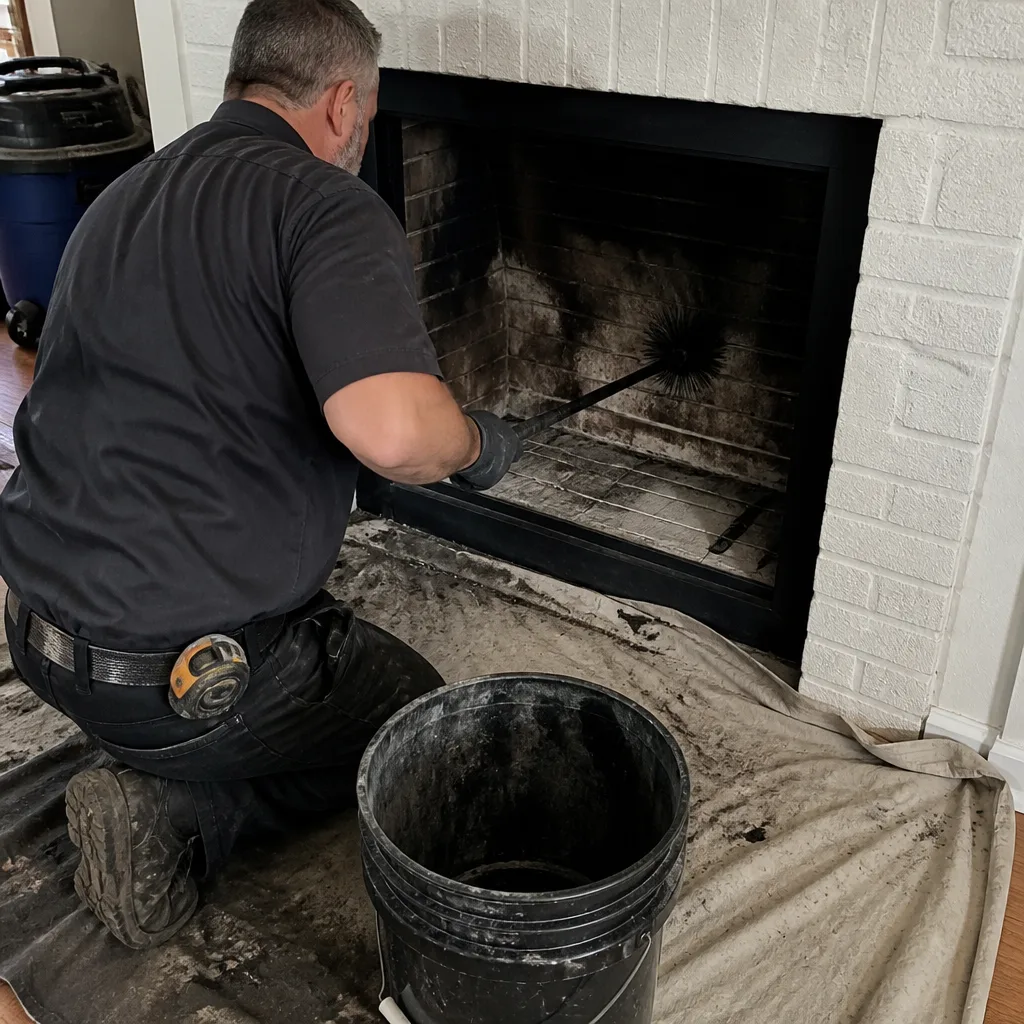
Spalling Brick Repair
Spalling is what happens when water gets into brick, freezes and thaws, and the brick face pops off in flakes or chunks. Near the waterfront in Hunters Point, we see this at chimney crowns constantly. The exposed brick absorbs moisture from damp air and salt spray, and the outer surface begins to shed. Spalling brick repair in Long Island City usually costs $800-$2,200 for a crown rebuild with brick replacement, more if the chimney needs significant structural repair.
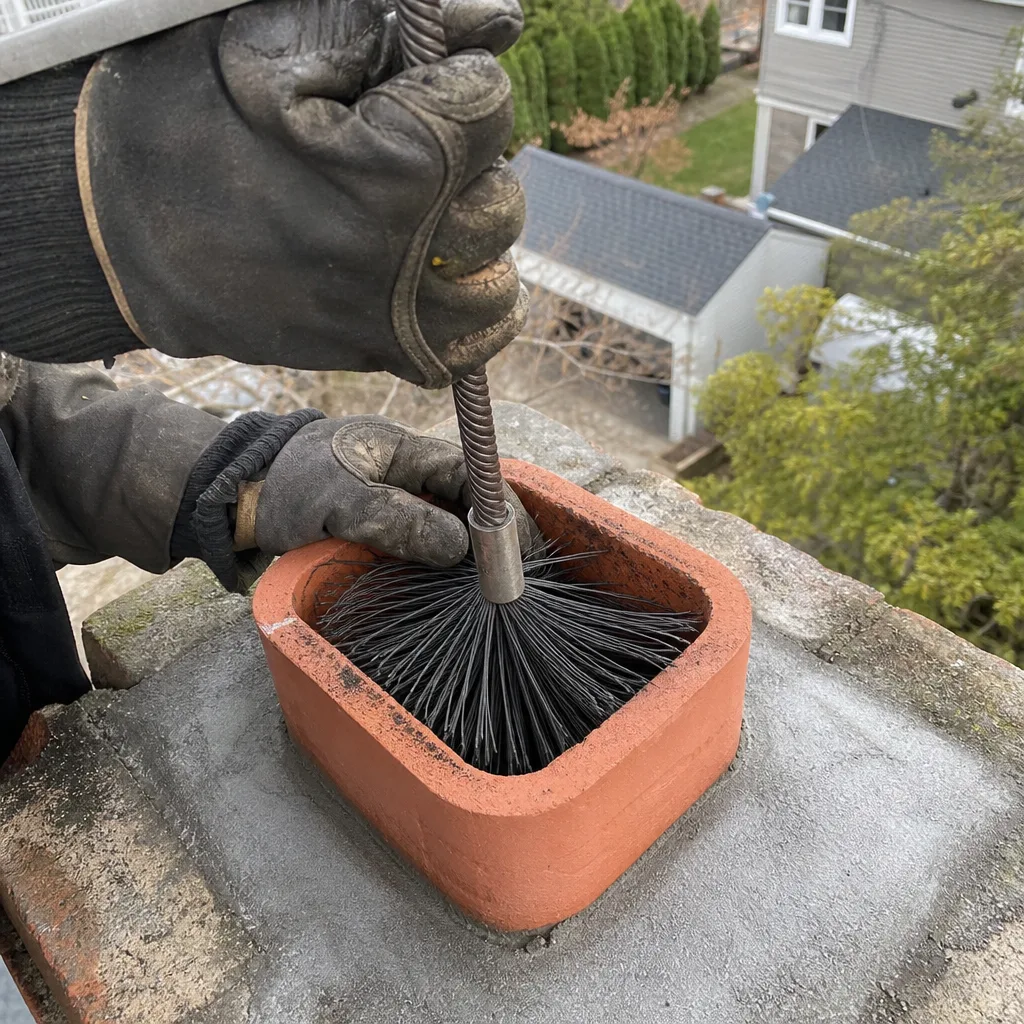
Chimney Waterproofing
Waterproofing is the repair that prevents the other repairs. We use Gelco masonry sealer on LIC chimneys because it’s vapor-permeable: it keeps rain and river moisture out while letting moisture already inside the brick escape. If you waterproof without letting moisture escape, you trap water in the brick and the spalling gets worse. A full chimney waterproofing treatment in Long Island City runs $600-$1,500. We apply it after repointing or any masonry work, never as a standalone fix on top of already-failing mortar.
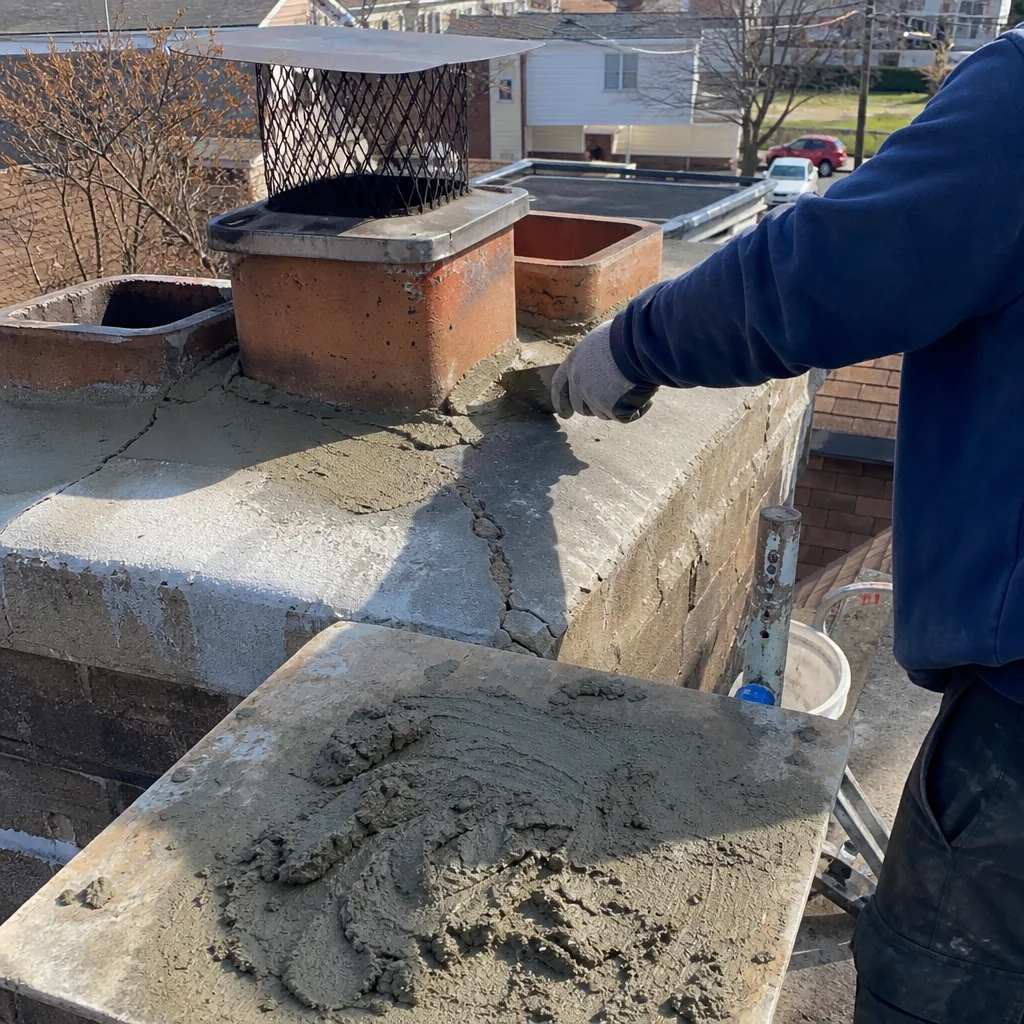
Flashing Repair
Flashing is the metal transition where your chimney meets the roof. When flashing fails, water runs straight down the chimney exterior into the attic, which is the leak most people notice first. On the flat and low-slope roofs common around Court Square and LIC’s industrial buildings, flashing repair is frequent because water pools and sits against the chimney base. Flashing repair in Long Island City typically runs $500-$1,400, though the price moves if you need custom copper or if the roof itself needs repair around the chimney.
What happens when you call
- 1
A real person answersNo phone trees - you reach a local pro.
- 2
You get an upfront price rangeHonest numbers before anyone is dispatched.
- 3
A background-checked tech heads outLicensed & insured, dispatched right away.
- 4
You approve before work beginsNothing starts until you say go.
 Before
 After
AfterTrusted Brands We Service in Long Island City
We install and repair products from DuraFlex, HeatShield, Gelco, and Olympia Chimney, procured through Haven’s buying network specifically to keep customer prices reasonable. If you’re in a converted loft building on 44th Road with a flue that needs relining, we’ll quote a DuraFlex stainless steel liner by name and show you the spec. If your condo board near Queens Plaza asks what product was used, the answer is in your documentation, not in a vague invoice line item.
Common Chimney Repair Problems We See in Long Island City Homes
- Industrial-era flue liners in Court Square lofts: The original clay tile liner was sized for a boiler that burned fuel oil by the barrel. When that same flue gets repurposed for a small gas fireplace, it’s oversize and coated in petroleum glaze. The result is condensation corrosion and draft failure, and the fix is full relining with a properly sized liner.
- Waterfront mortar erosion in Hunters Point: Buildings sitting within blocks of the East River absorb constant humidity and intermittent salt air. We see chimney crowns where the mortar has softened to the texture of sand, and brick spalling that condo boards misread as cosmetic wear. Water that gets in through a crown doesn’t stay in the crown.
- Oil-to-gas conversion flues in pre-war rowhouses: When an older LIC rowhouse switched from heating oil to gas, the flue liner stayed the same. The liner was coated for oil exhaust, not gas condensation. First-degree creosote turns to third-degree tar glaze quicker than you’d expect, and by the time it’s visible, relining is rarely optional. DIY diagnosis isn’t worth it for flue liners in gas appliances: if you see dripping or smell exhaust, call us for a camera inspection before running the system again.
- Multiple flues on one large industrial stack: A single large chimney stack in a converted factory building may serve three, four, or more fireplaces or gas appliances. Each flue has to be sized and maintained individually. If one flue drafts poorly, it moves air out of the others and causes draft reversal in the fireplaces below.
Pricing for Chimney Repair in Long Island City, NY
Here’s what we actually quote in Long Island City. Mortar repointing: $1,200-$3,500. Spalling brick repair: $800-$2,200. Chimney waterproofing: $600-$1,500. Flashing repair: $500-$1,400. Full chimney rebuilding or relining in a large LIC loft building starts around $3,800 and can run to $12,000 or more when scaffolding, DOB documentation, and multiple flues are involved.
| Service | Typical Range in LIC | What Moves the Price |
|---|---|---|
| Mortar Repointing | $1,200-$3,500 | Height, accessibility, number of sides |
| Spalling Brick Repair | $800-$2,200 | Extent of brick loss, crown condition |
| Chimney Waterproofing | $600-$1,500 | Chimney size, product used |
| Flashing Repair | $500-$1,400 | Roof type (flat roofs increase pooling), metal type |
| Full Relining (industrial stack) | $3,800-$12,000+ | Flue count, DOB documentation required |
Every estimate we write is a fixed written price before work starts. That’s how the Haven Standard works. If you’ve got a written estimate from another company, bring it in and we’ll give you a free second opinion on it. Call (862) 272-3868 and we’ll schedule the camera inspection that generates your price.
We Also Serve Cities Near Long Island City
We regularly run crews from Chimney Repair jobs in Long Island City into the surrounding neighborhoods: Astoria, Elmhurst, New York, and Manhattan. If you’re on the border between LIC and Astoria or a few blocks into Queens Plaza, call us and we’ll tell you straight whether we can get to you this week. Scheduling and dispatch run through our New York City office.
Serving Long Island City, NY - Our Local Coverage Area
We’re based in the Long Island City area and know this community well. Use the map below to see our service coverage - if you’re nearby, we can almost certainly help.
FAQs - Chimney Repair in Long Island City
A DOB compliance inspection is required because most converted LIC loft chimneys were built as industrial boiler flues, not residential fireplace flues, and the NYC Building Code treats those differently. The original clay liners are typically undersized for residential gas appliances and glazed with heavy petroleum residue from boiler use. When a buyer’s engineer flags an uncertified flue, the sale can’t proceed until the chimney is inspected, documented, and either relined or formally decommissioned. We provide camera-scan documentation and a written condition report that satisfies the engineer’s objection. Call (862) 272-3868 with your closing timeline and we’ll tell you what’s realistic.
No, not if a DOB audit or a purchaser’s engineer has flagged it as an uncertified flue. A chimney that’s “just decorative” still has to be formally decommissioned if it’s not going to be used, and decommissioning is not the same as ignoring it. If the masonry is spalling and the crown is open, water is getting in whether the chimney is in use or not. The board’s opinion won’t help when a sales engineer files findings. We can inspect, document the actual condition, and tell you plainly whether the stack needs relining, decommissioning, or just masonry repair. The answer is in the camera footage, not in a board discussion.
Condensation inside a gas flue in a pre-war LIC rowhouse usually means the flue liner was sized for oil exhaust and is now running cool and damp. Gas appliances burn cleaner and cooler than oil, so the moisture in the exhaust condenses on the liner walls instead of staying in vapor form. That condensation traps creosote residue from the oil years, accelerates corrosion, and eventually causes flue liner failure. The fix is relining with a properly sized liner, typically DuraFlex stainless steel. This is genuinely dangerous if ignored: a corroded liner leaks carbon monoxide into living space. We can camera-scan the flue and show you the liner condition before you spend anything.
The East River’s constant humidity and salt-laden air speed up mortar joint erosion and brick spalling, especially within four or five blocks of the waterfront. Salt draws moisture in and out of the brick in freeze-thaw cycles, breaking the outer face off the brick over time. Buildings that sat vacant through LIC’s rezoning years had those issues go unaddressed, so we often find a decade of water infiltration already done by the time we inspect. Waterproofing with a vapor-permeable treatment is usually the first repair we recommend after repointing any LIC chimney within sight of the river.
Multiple fireplaces on one large industrial stack means multiple flues sharing a single masonry chase, and each flue has to be sized and relined independently. If one flue is too large or too small, it changes the draft for the whole stack, and you’ll see smoke blowback or pilot lights going out in the units below. We inspect each flue with a camera, identify which ones are still fire-safe, and reline the ones that aren’t. In the Court Square loft building where we found a 60-foot stack with three residential gas fireplaces, we relined with DuraFlex stainless steel, rebuilt the crown, and applied Gelco waterproofing. The buyer’s engineer cleared the unit for closing the same week.
If you’re dealing with a flagged chimney in Long Island City, call (862) 272-3868. We’ll get a camera down the flue, tell you what it shows, and give you a written price before anything starts. The estimate is free, and so is the second opinion if you already have a written quote from someone else.
Written by Corrine Halstead, Owner at Level Two Chimney Jersey City.