
Last updated September 20, 2026
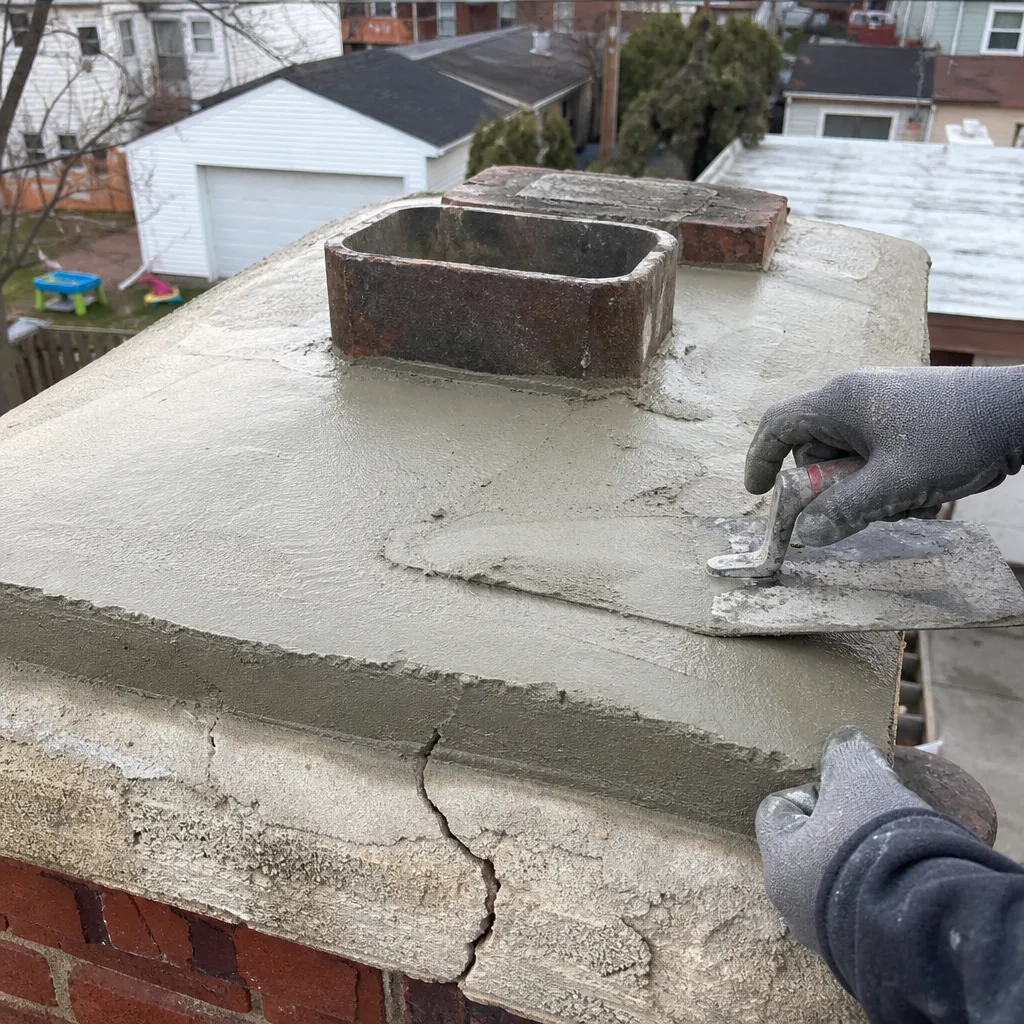
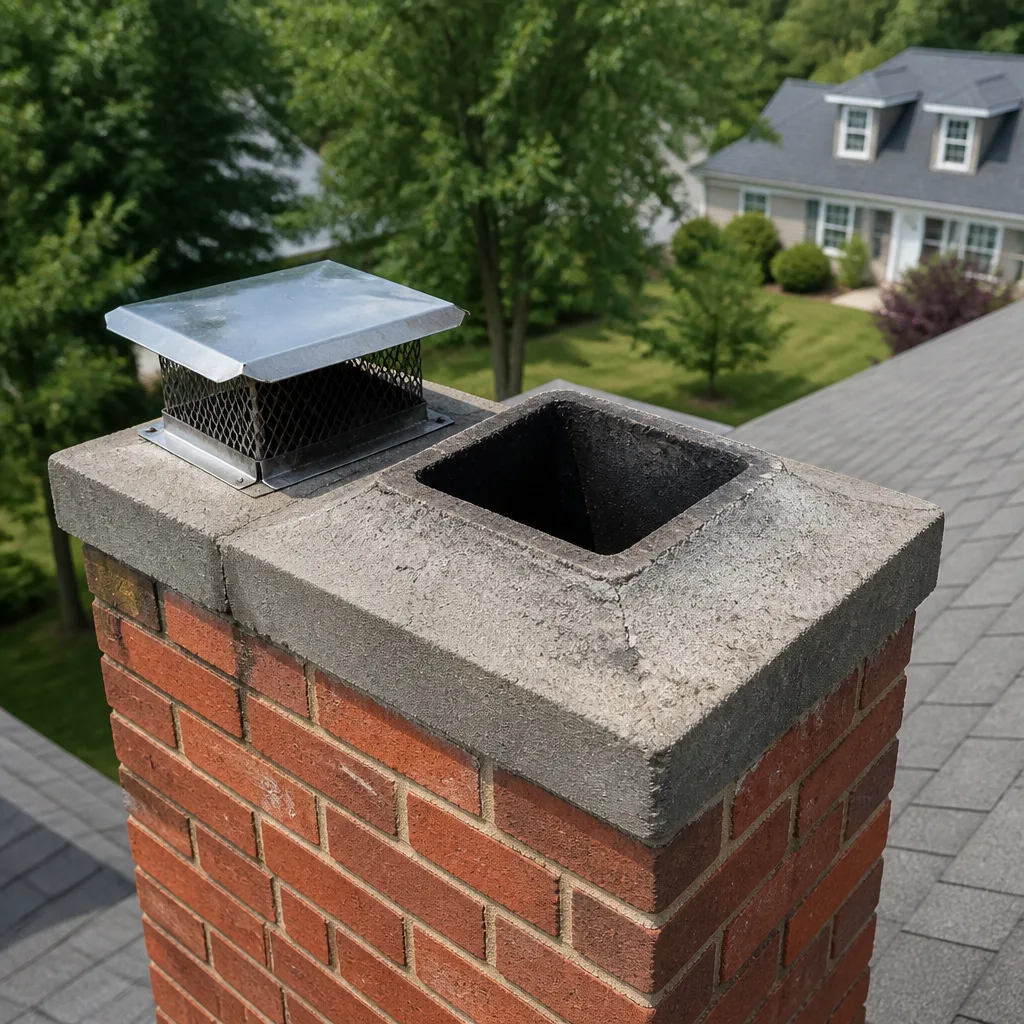
Level 1 sweep and inspection to the NFPA 211 annual standard - flue, crown, cap, and flashing checked and photographed
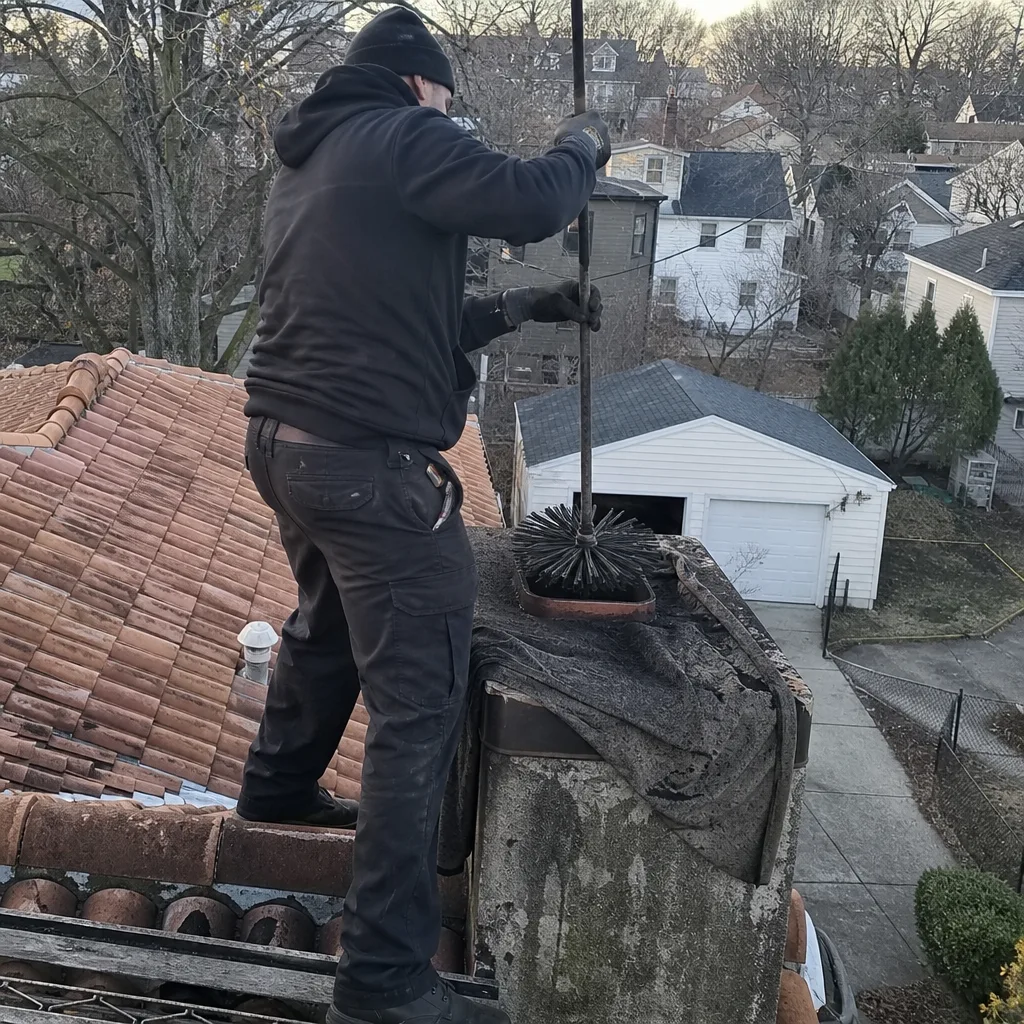
Chimney sweep logs do not sweep chimneys. They loosen some creosote - which then falls where a brush and vacuum still have to collect it.
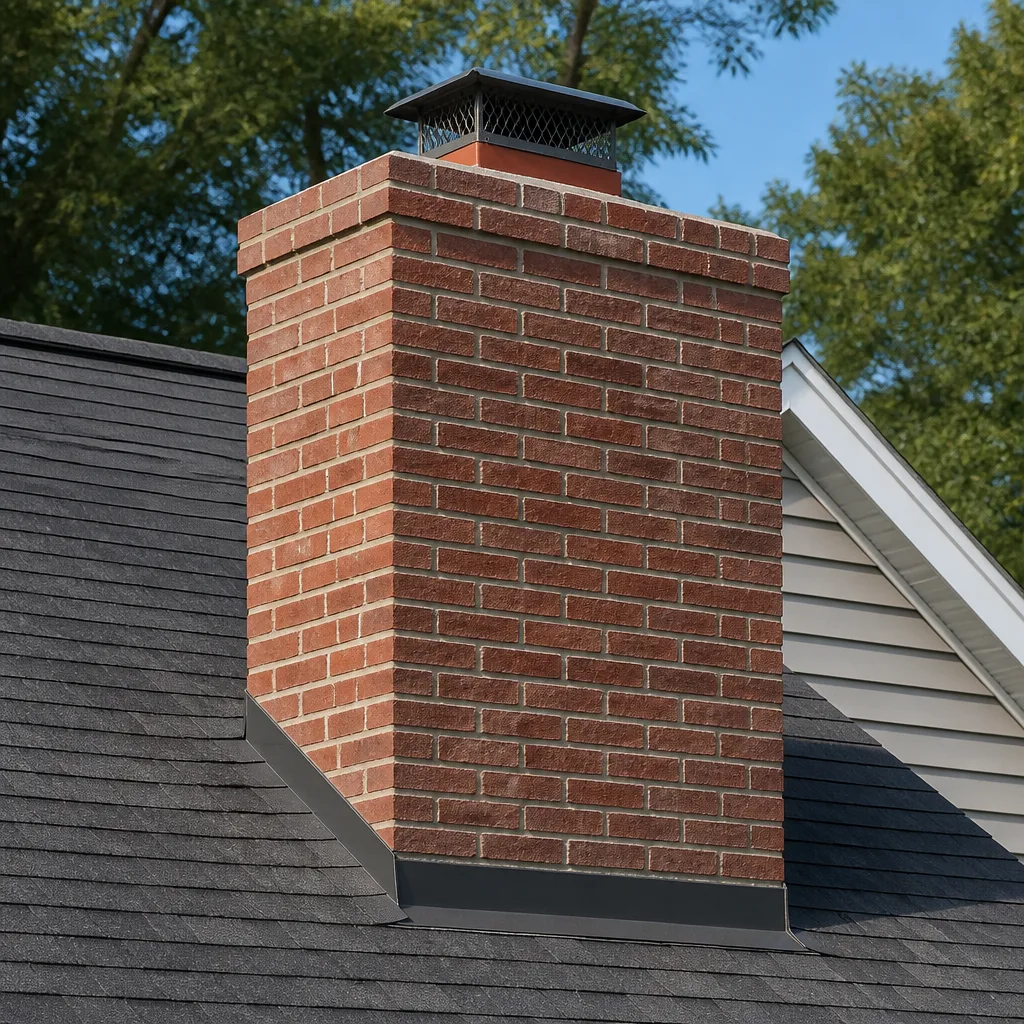
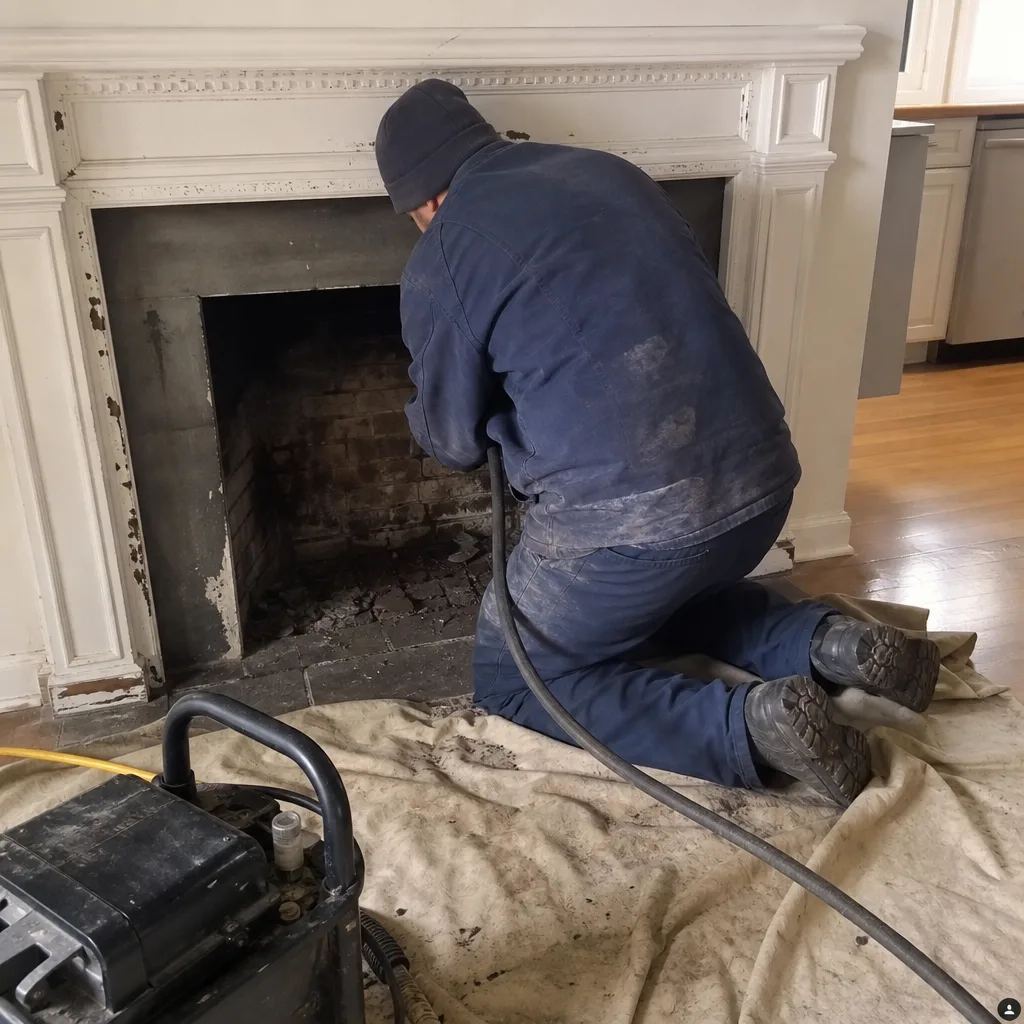 Before
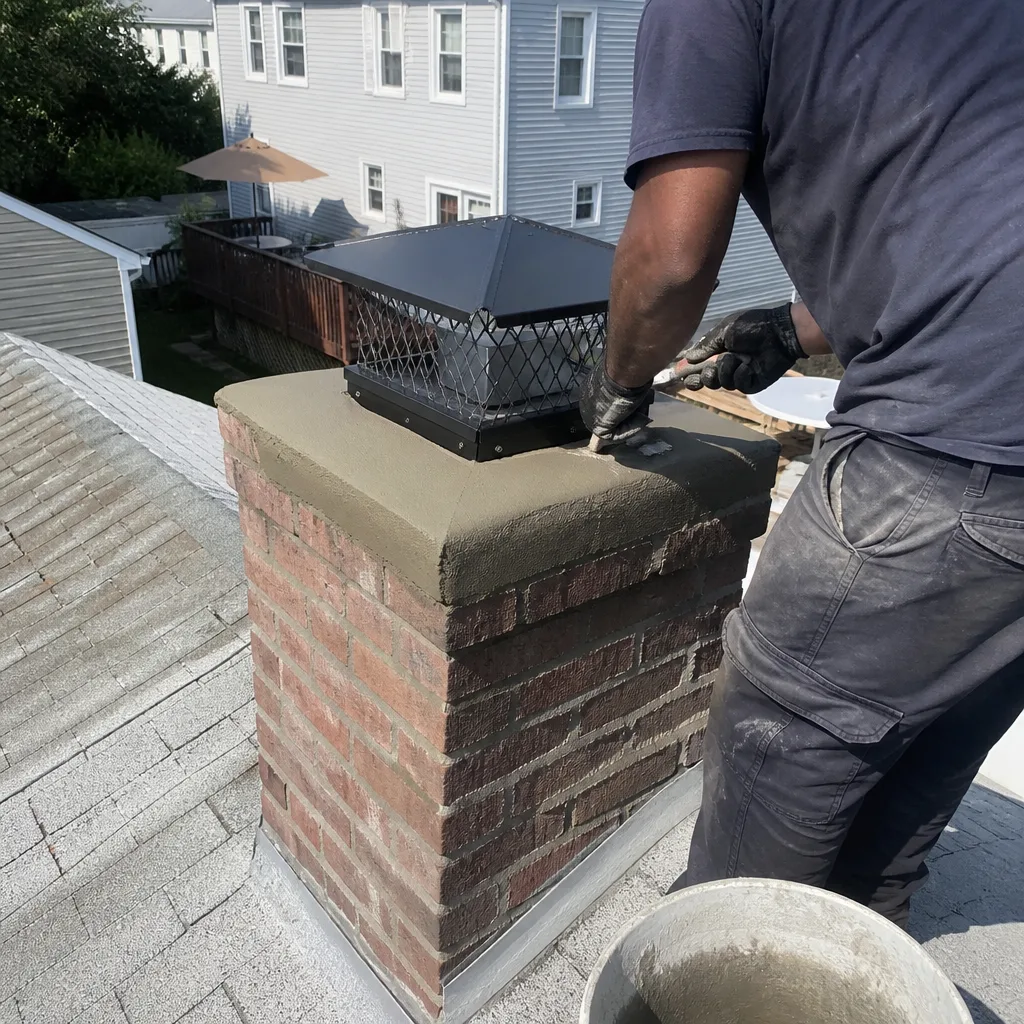 After
After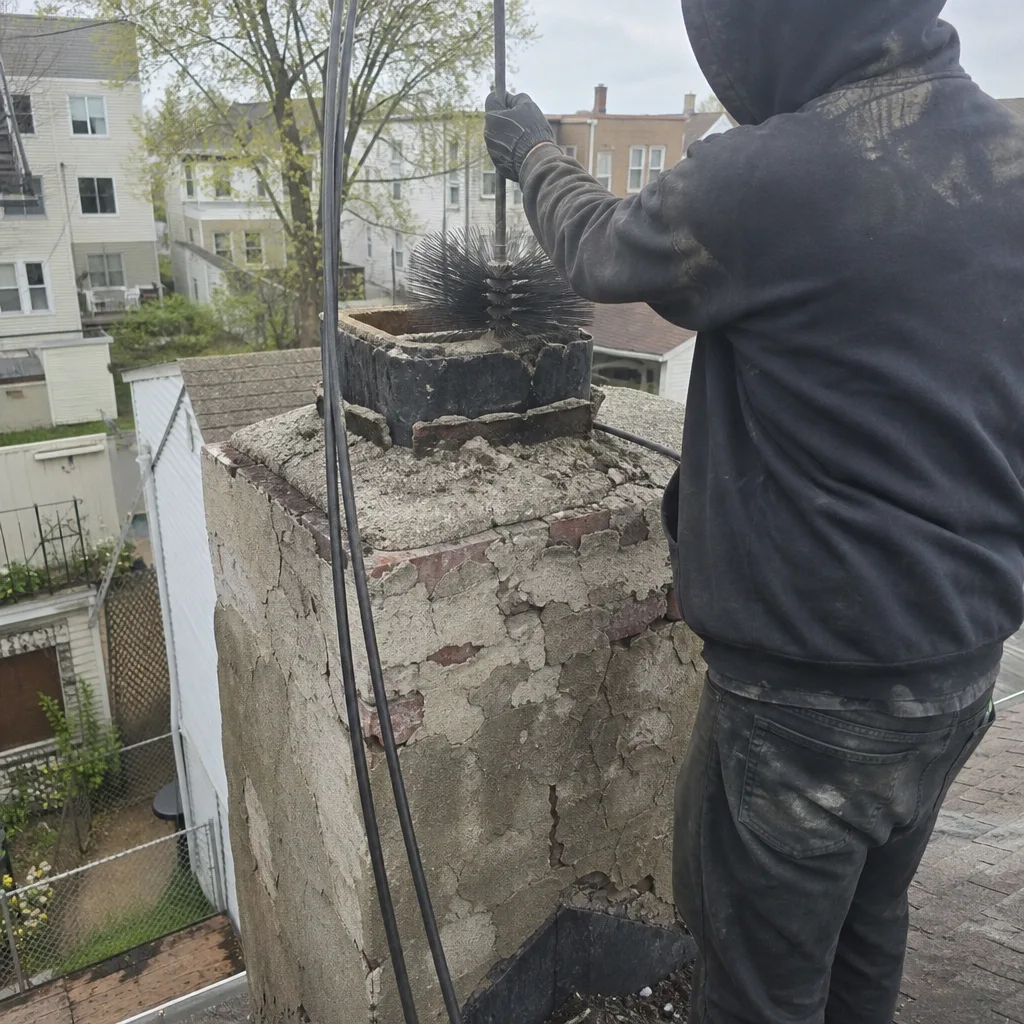 Before
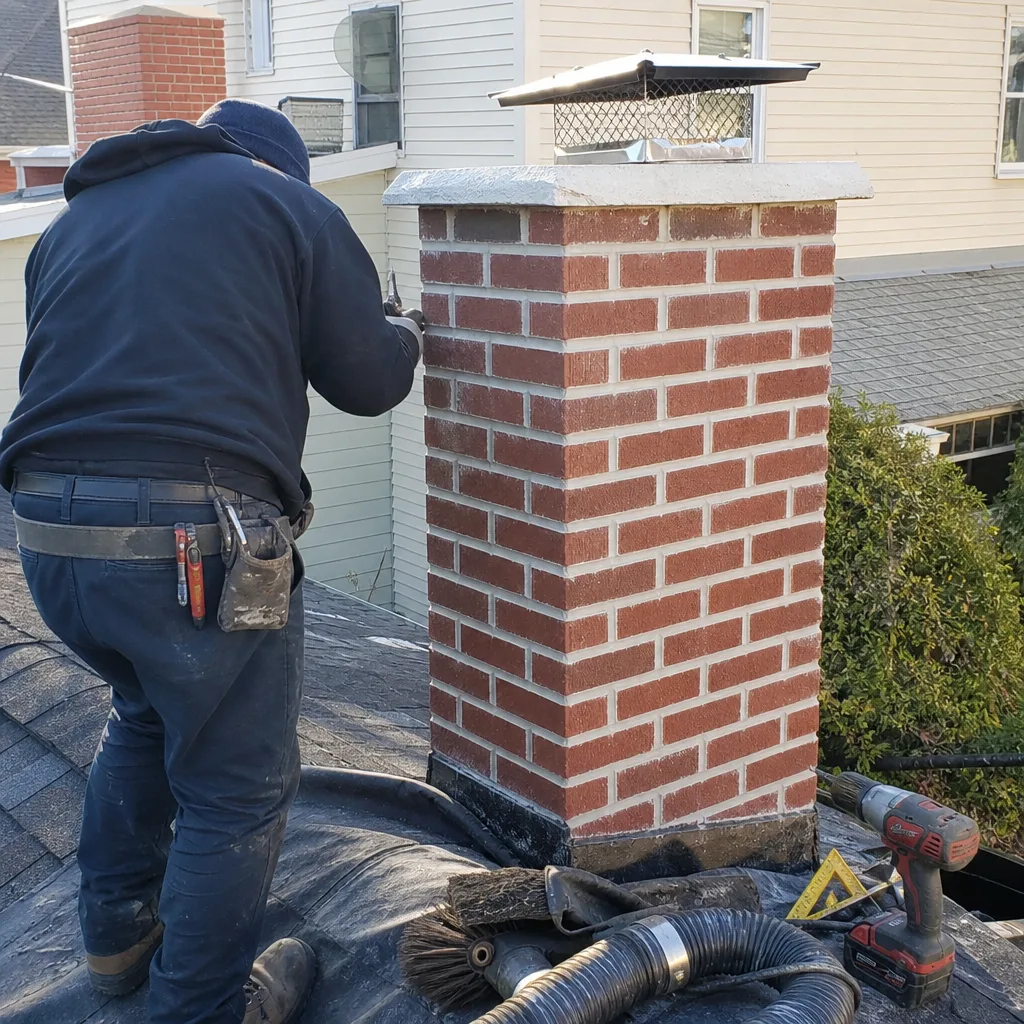 After
After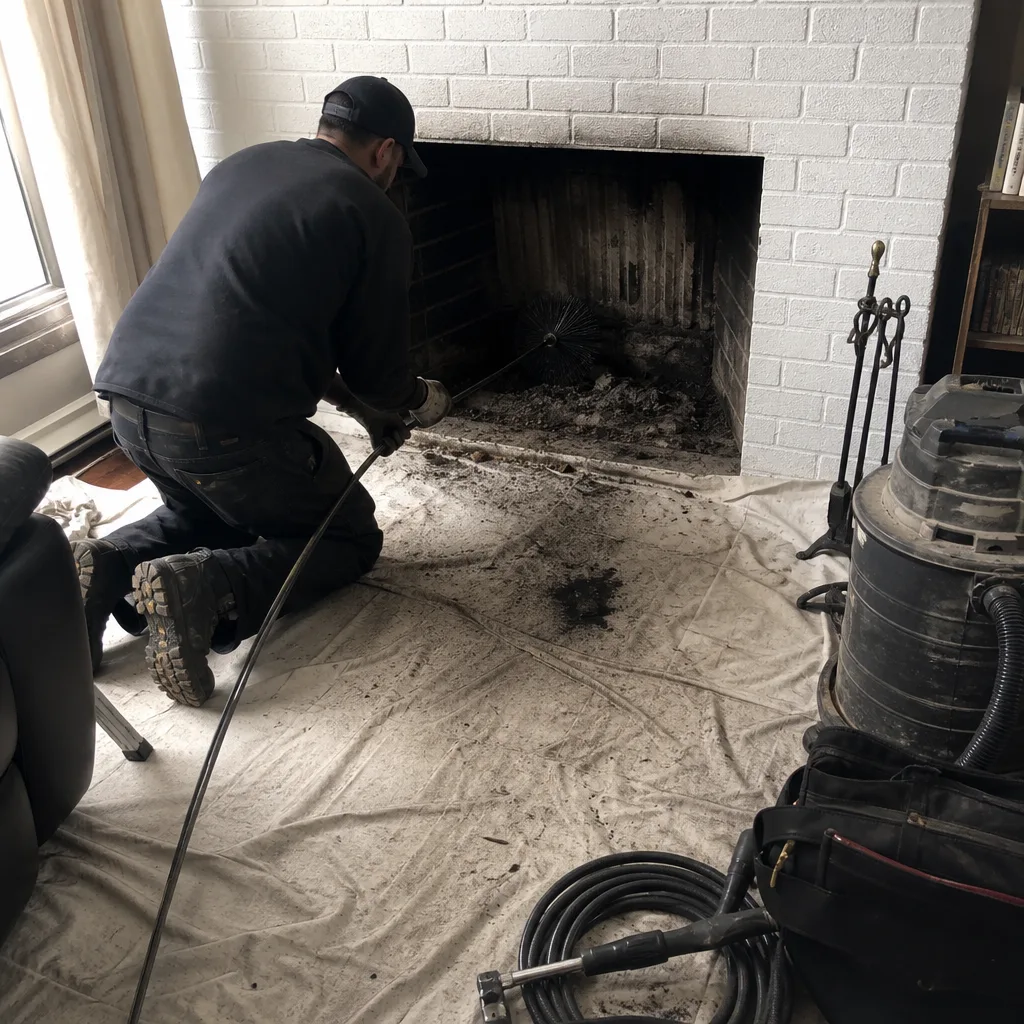 Before
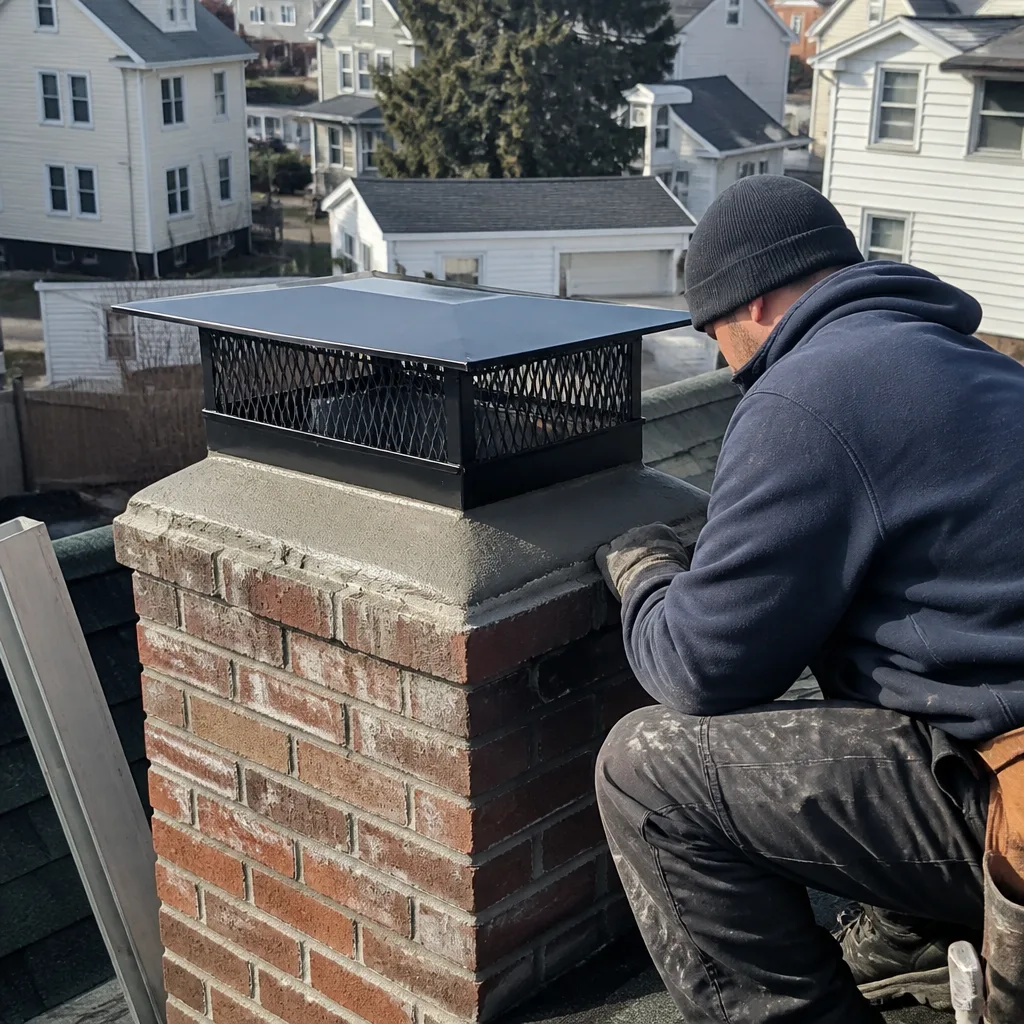 After
AfterDIY vs Professional Chimney Cleaning: The Jersey City Homeowner’s Decision Guide
You can buy the same brush kit a sweep uses for about $60. What you cannot buy is the camera that shows whether the Stage 2 creosote you brushed loose cracked the clay tile behind it. Roughly a third of the chimneys we inspect in Jersey City after an enthusiastic DIY cleaning show some kind of hidden damage the homeowner never felt through the brush. This guide and our more guides & resources are not here to tell you to never touch your chimney. It is here to tell you exactly when a brush kit is enough, when it is not, and how to tell the difference before you find out the expensive way. By the end, you will know what a camera-seen inspection actually shows, what Jersey City’s rowhouse roofs add to the equation, and what an honest cost comparison looks like for a home in this market.
Quick Answer
DIY chimney cleaning is genuinely adequate for exactly one scenario in Jersey City: light smoke-shelf brushing on a decorative gas fireplace with a documented-clean inspection record and no liner damage. For every other situation, professional cleaning with a camera-scan inspection costs less than a missed liner crack, and the camera is what tells you whether your brushing is helping or hiding a problem.
Table of Contents
- The One DIY Scenario That Actually Works
- What Brushing Cannot Detect
- Jersey City Rowhouse Roof Access and Shared-Wall Liability
- The Honest Cost Comparison: Brush Kit vs. Camera Inspection
- How to Do Limited DIY Maintenance Safely
- The Documentation Standard: What You Should Walk Away With
- Common Mistakes to Avoid
- When to Call a Professional
- Frequently Asked Questions
- The Bottom Line
 Before
 After
AfterThe One DIY Scenario That Actually Works
Before you spend money on a brush, understand where DIY chimney cleaning succeeds and where it fails. The distinction is not about skill. It is about what the fireplace actually produces and what you can see while you work.
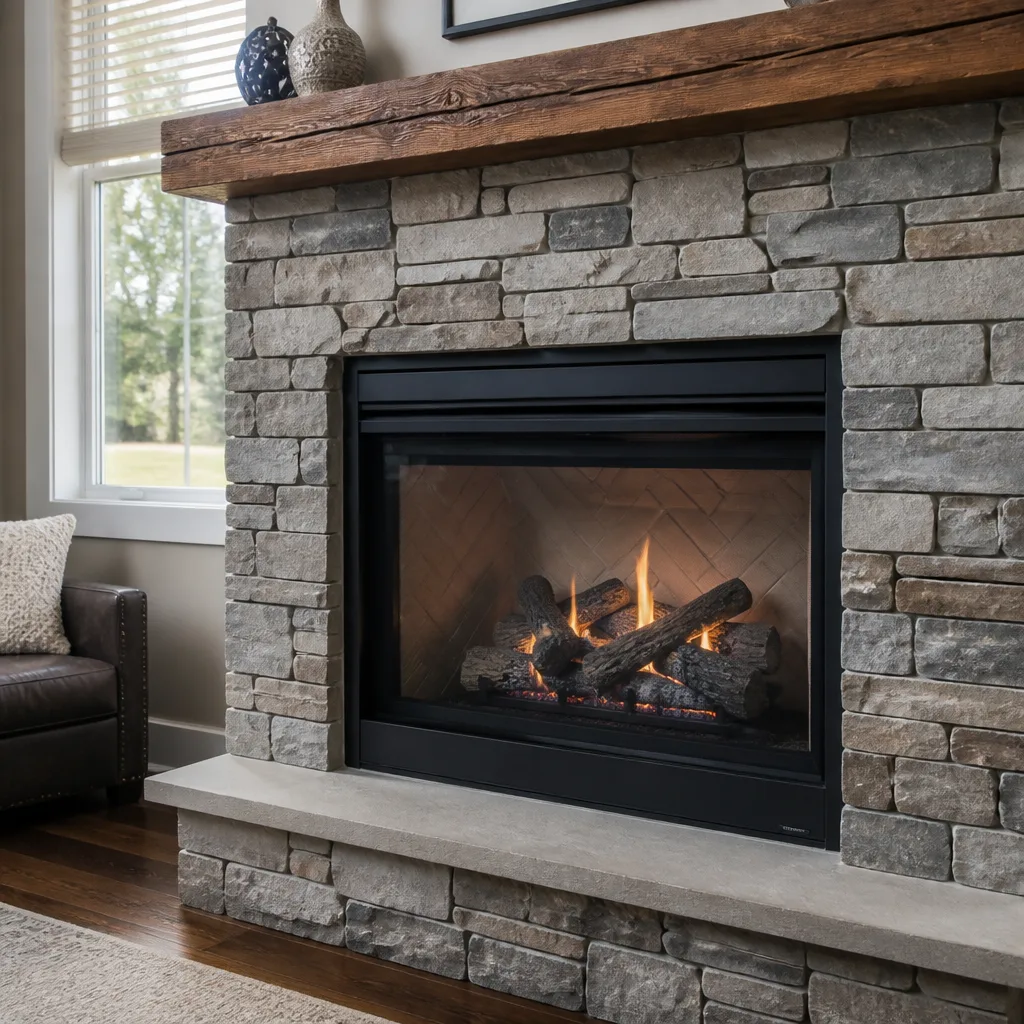
Natural gas fireplaces in Jersey City rowhouses and newer condo conversions produce mostly carbon dioxide, water vapor, and trace minerals. They do not produce creosote. Creosote is the tar-like byproduct of burning wood, and it is the substance that makes chimney fires possible. A decorative gas fireplace that has never burned wood will not have creosote deposits. What it may have is dust, dead insect casings, and occasionally a fine mineral film on the smoke shelf where the firebox narrows into the flue. That material sits right behind the damper, within arm’s reach, and can be brushed away gently with a soft-bristle brush and a shop vacuum, provided one condition is met.
That condition is a documented-clean inspection record. If a camera-scan inspection within the last 12 to 18 months shows an intact flue liner, solid smoke chamber mortar, and no cracks at the tile joints, then removing light surface debris from a gas-only firebox is a reasonable homeowner task. The inspection report is what makes it safe. Without that record, every brush stroke is a guess, and guessing at the wrong time is how a $60 project becomes a $3,000 liner replacement.
In Jersey City specifically, many homes built between 1900 and 1950 have chimneys that originally burned coal, then were converted to oil, then gas, sometimes with liner sections from multiple eras. The interior is a patchwork. A visual check from the firebox tells you nothing about the condition of the clay tile 15 feet up. If you do one DIY task this year, make it this one, and only after you have a current inspection report that says the passage is sound.
What Brushing Cannot Detect
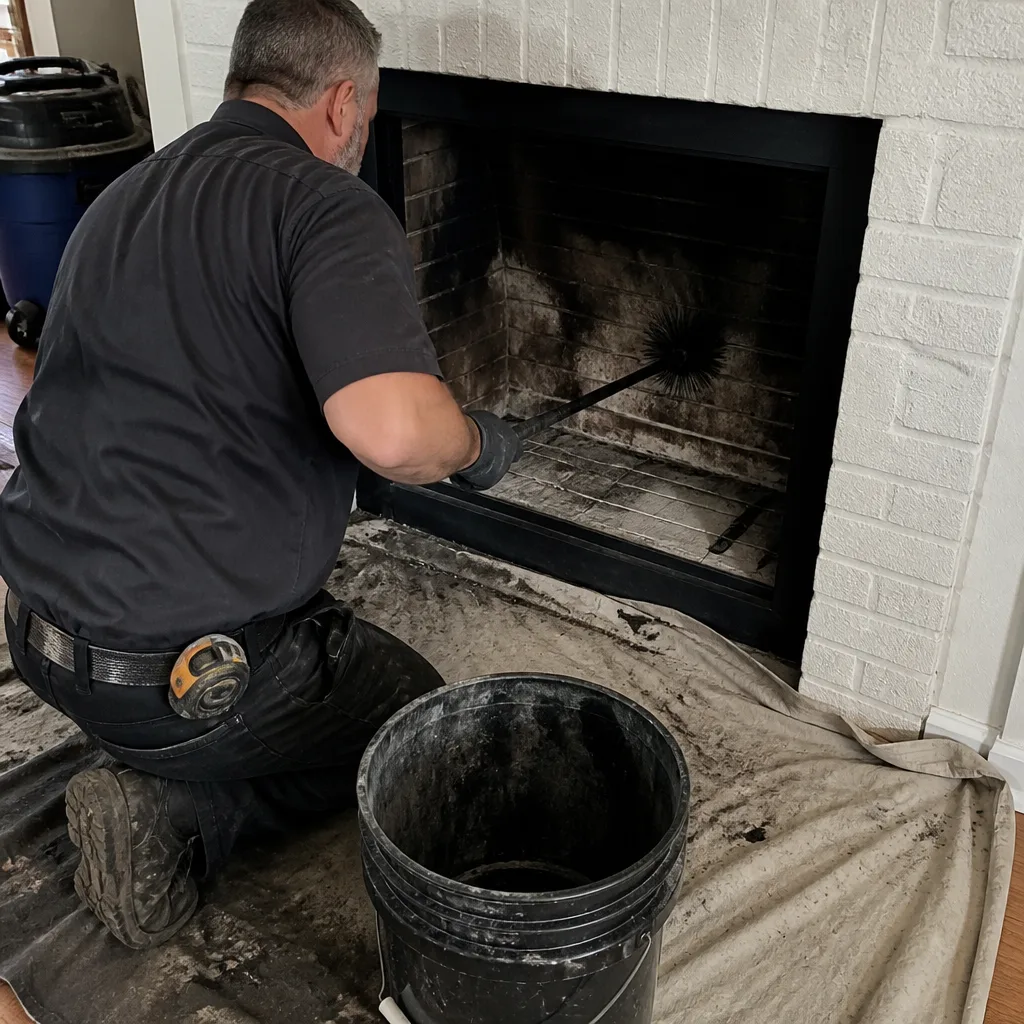
A chimney brush removes loose material from the surface it touches. That is its entire job. Here is what it cannot do, and why each of these matters more than the cleaning itself.
Liner Cracks and Spalling
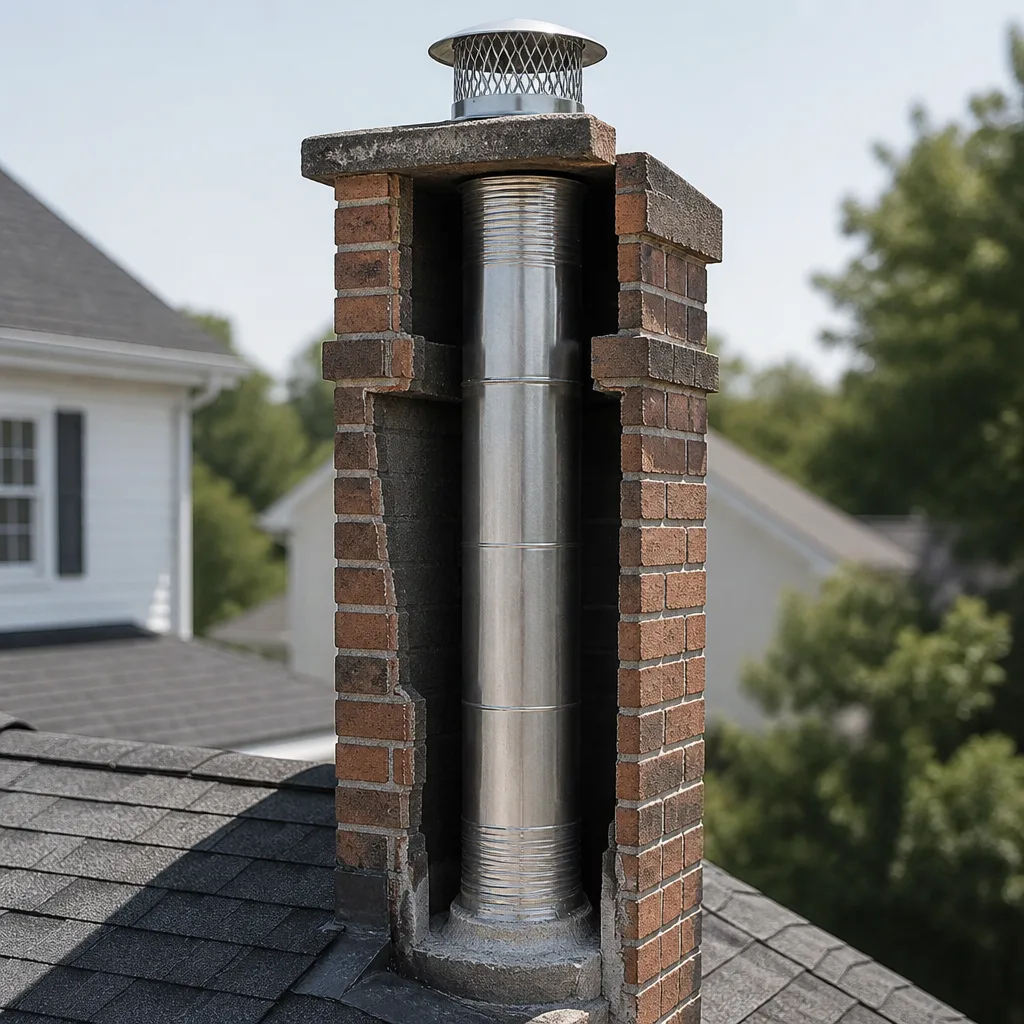
Clay tile flue liners crack from decades of thermal expansion and contraction. A crack as narrow as 1/16 of an inch is a passage for heat and combustion gases to reach the brickwork around the flue. A brush will glide right over that crack. It will not snag on it, widen it, or reveal it. The crack sits there until the interior heats up during a fire, at which point the gap widens and the chimney becomes a fire and carbon monoxide risk. This is the single most common hidden defect we document in Jersey City chimneys, and it is invisible to any cleaning method that is not paired with a camera that sees inside the flue.
Glazed Creosote Behind the Smoke Chamber
Stage 3, or glazed, creosote forms when wood burns at low temperatures and the tar condenses, then hardens into a shiny, shell-like coating. It is concentrated in the smoke chamber, the area above the damper where the firebox funnels into the flue. DIY brushes are typically the wrong size and stiffness for smoke chamber work. Even if you reach it, glazed creosote does not brush off. It requires chemical treatment or mechanical removal with specialized tools. Leaving it in place means the next hot fire can ignite it, and a chimney fire originating in the smoke chamber is harder to extinguish than one in the flue itself.
Deteriorating Smoke Shelf Mortar
The smoke shelf is a flat ledge behind the damper designed to catch falling debris and keep downdrafts from entering the firebox. In older Jersey City homes, the mortar on this shelf crumbles over time. Brushing it too aggressively accelerates that deterioration. If large chunks of mortar fall into the firebox or down onto the damper, the chimney’s draft changes, sometimes dramatically. You may notice smoke spilling into the living room the next time you light a fire. A camera inspection documents the smoke shelf condition before any brush touches it, which is why the inspection always comes first in professional practice.
These are not rare edge cases. Across the more than 38,000 chimneys we have inspected and cleaned since 2009, the most common reason a homeowner called us after a DIY attempt was not poor cleaning. It was the discovery, weeks or months later, that the brush had missed something the camera found in about four minutes. If you want more context on what a professional sweep in this area covers, our Chimney Cleaning & Sweep in Jersey City page explains the full scope.
Jersey City Rowhouse Roof Access and Shared-Wall Liability
Jersey City is not a suburb of detached homes with a ladder leaning against the garage. The housing stock in neighborhoods like The Heights, Bergen-Lafayette, Greenville, and Downtown is dominated by rowhouses, attached brownstones, and side-by-side frames with a shared chimney stack. That physical reality changes the DIY calculation in three ways.
First, roof access. A proper chimney cleaning requires access to the top of the flue, not just the firebox. On a Jersey City rowhouse, that access often means a ladder placed against a building that touches your neighbor’s building. If the ladder damages a shared parapet, a cornice, or a neighbor’s window frame, you are liable. If the roof has a low slope or a membrane surface, you may puncture it just walking to the chimney. Professional sweeps carry insurance for this. A homeowner’s insurance policy may or may not cover damage you cause while performing maintenance your policy never contemplated.
Second, shared flue and debris liability. Many Jersey City rowhouses built before the 1940s share a flue with the attached home next door or have chimneys that sit on the property line. When you push a brush down a shared flue, the debris you dislodge may end up in your neighbor’s smoke chamber or firebox. If that debris is creosote-soaked and later ignites, the conversation with your neighbor, their insurance company, and possibly a fire investigator will not be a comfortable one. Divorcing yourself from liability requires more than good intentions, and it is one reason we hear from Jersey City homeowners who attempted to clean a shared chimney and backed off halfway through.
Third, local code and insurance reality. Jersey City follows the New Jersey Uniform Construction Code, which adopts NFPA 211 by reference for chimney standards. NFPA 211 does not forbid a homeowner from cleaning their own chimney, but it does create an inspection standard that insurance adjusters refer to when a claim involves a chimney fire. If your insurance company asks for the date and result of your last Level 2 inspection and your answer is “I cleaned it myself with a brush kit,” the claim process gets harder. We have seen claims denied or reduced because the homeowner could produce no documentation that the chimney was inspected in the state the fire occurred. None of this means DIY is illegal. It means DIY without documentation carries a risk that goes beyond the brushing itself.
The Honest Cost Comparison: Brush Kit vs. Camera Inspection
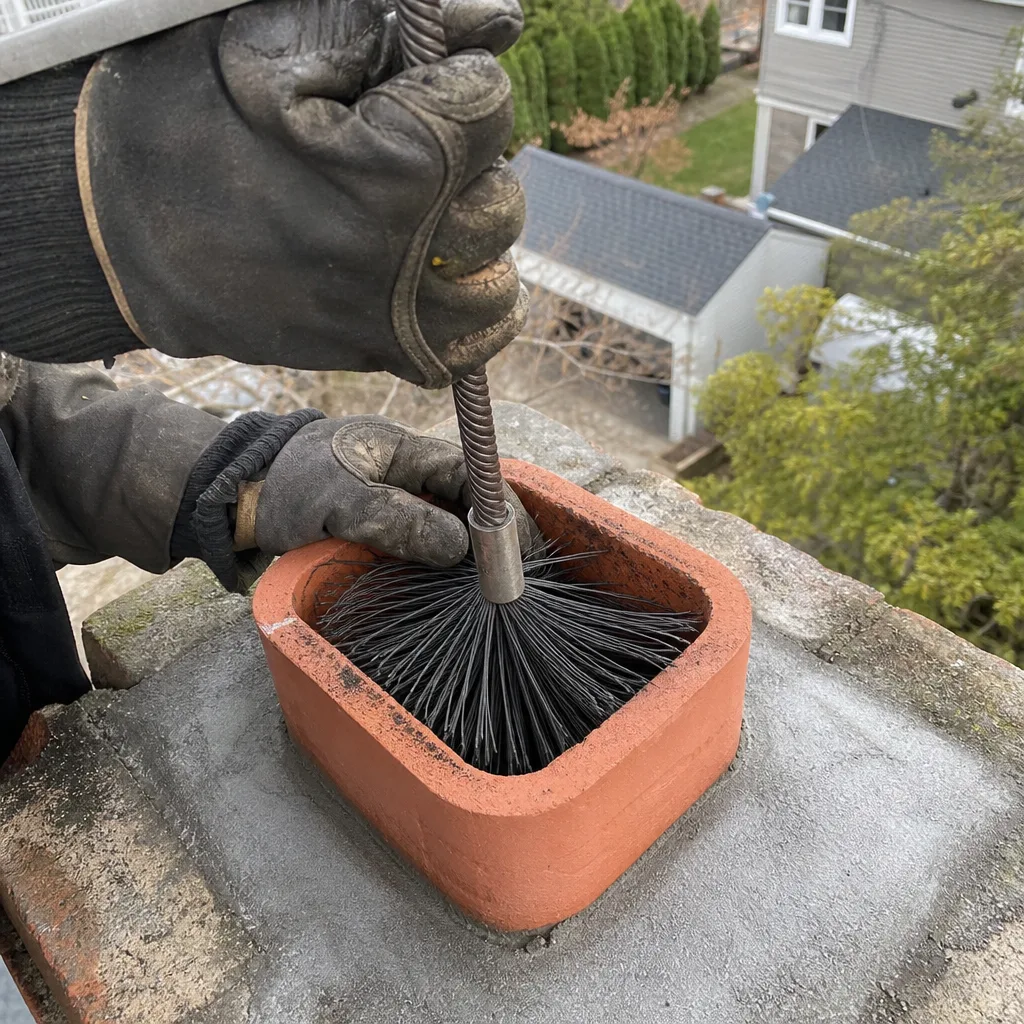
Most online comparisons of DIY and professional chimney cleaning stop at the price tag. That comparison is incomplete to the point of being misleading. Here is the honest version for a Jersey City homeowner.
DIY Cost, Itemized
- Chimney brush kit (rod, brush, connector): $40 to $90
- Shop vacuum with HEPA filter or fine-dust bag: $60 to $150 (you may already own one)
- Drop cloths, tarps, masking tape for the firebox opening: $15 to $30
- Basic PPE (N95 respirator, goggles, gloves): $20 to $40
- Time: 2 to 4 hours for a first attempt, including setup and cleanup
Total out-of-pocket: roughly $135 to $310, less if you already have the vacuum and PPE. That is the number most articles show.
Professional Sweep Cost in Jersey City
- Chimney cleaning with camera-scan inspection: $220 to $390, depending on flue height, accessibility, and whether the chimney is shared or lined with a material that requires slower brushing
- Documented photo record of the flue interior: included as standard under Haven Standard Clause 4, not an optional add-on
- Written price before work starts: required on every job since the company opened in 2009
- Time: 60 to 90 minutes, including setup, cleaning, camera scan, and documentation
The Missing Line Item
The DIY cost comparison above omits the cost of a missed liner crack. In Jersey City, a full chimney liner installation or repair typically runs $1,800 to $4,500 depending on whether the flue can be resurfaced or needs a new stainless steel liner pulled through. A chimney fire, even a contained one, can run five figures when you include masonry repair, structural assessment, and insurance deductible. The real comparison is not $60 versus $390. It is $60 versus $390 now, or $60 versus $1,800 to $4,500 later, because the camera caught a crack the brush could not. When the cost is framed that way, the professional sweep is not the expensive option. It is the cheaper insurance policy.
We carry materials from DuraFlex and Olympia Chimney specifically because the replacement parts, if any are ever needed, should be the same quality as the inspection that found the problem. Materials are procured through Haven’s buying network to keep customer prices at the Jersey City market rate rather than a premium rate. If you are comparing written estimates, bring us a competitor’s quote and we will give you a free second opinion on it. That is how the pricing model works here.
How to Do Limited DIY Maintenance Safely
If you have the one qualifying scenario, a decorative gas fireplace with a documented-clean inspection record, here is the safe sequence. Follow the order exactly. The inspection comes before the brush, not after, and that order is what keeps this task in the doable category.
- Confirm the inspection record. You need a camera-scan report, either from the previous owner’s records or from a current inspection, dated within the last 18 months, showing intact flue liner, sound smoke shelf mortar, and no cracks at tile joints. If the report does not exist, stop here. Book a camera-scan inspection and do the brushing after, not before.
- Close off the firebox. Tape a heavy plastic sheet or drop cloth over the firebox opening with painter’s tape, leaving a small opening for your vacuum hose. This keeps dust and insect casings out of the living room. Jersey City rowhouses have open floor plans more often than not, and drywall dust, once airborne, travels.
- Open the damper fully. If the damper is rusted or stuck, do not force it. A stuck damper is a separate repair problem, and forcing it can crack the firebox throat. Stop and call a professional if the damper will not move.
- Use a soft-bristle brush only. You are removing loose surface dust and insect debris from the smoke shelf and the lower flue area you can reach. A wire brush is for glazed creosote, which this fireplace does not have, and using one on a gas fireplace risks scratching the flue liner. Brush downward gently. Do not scrub.
- Vacuum as you go. Keep the vacuum hose inside the firebox while you brush so dust is captured at the source, not pulled into the room. Empty the vacuum canister outside, wearing a mask, because whatever is in that dust has been sitting in a chimney for years.
- Document what you did and when. Write down the date, what you removed, and the date of the last camera inspection. Keep that note with the inspection report. Documentation is what separates informed DIY from hobbyism, and it is the same principle a professional works under.
If any part of this sequence feels uncertain, or if you reach into the firebox and feel a texture you cannot identify, stop. The camera exists to answer questions asking is not the same as confirming, and a chimney is a bad place to improvise.
The Documentation Standard: What You Should Walk Away With
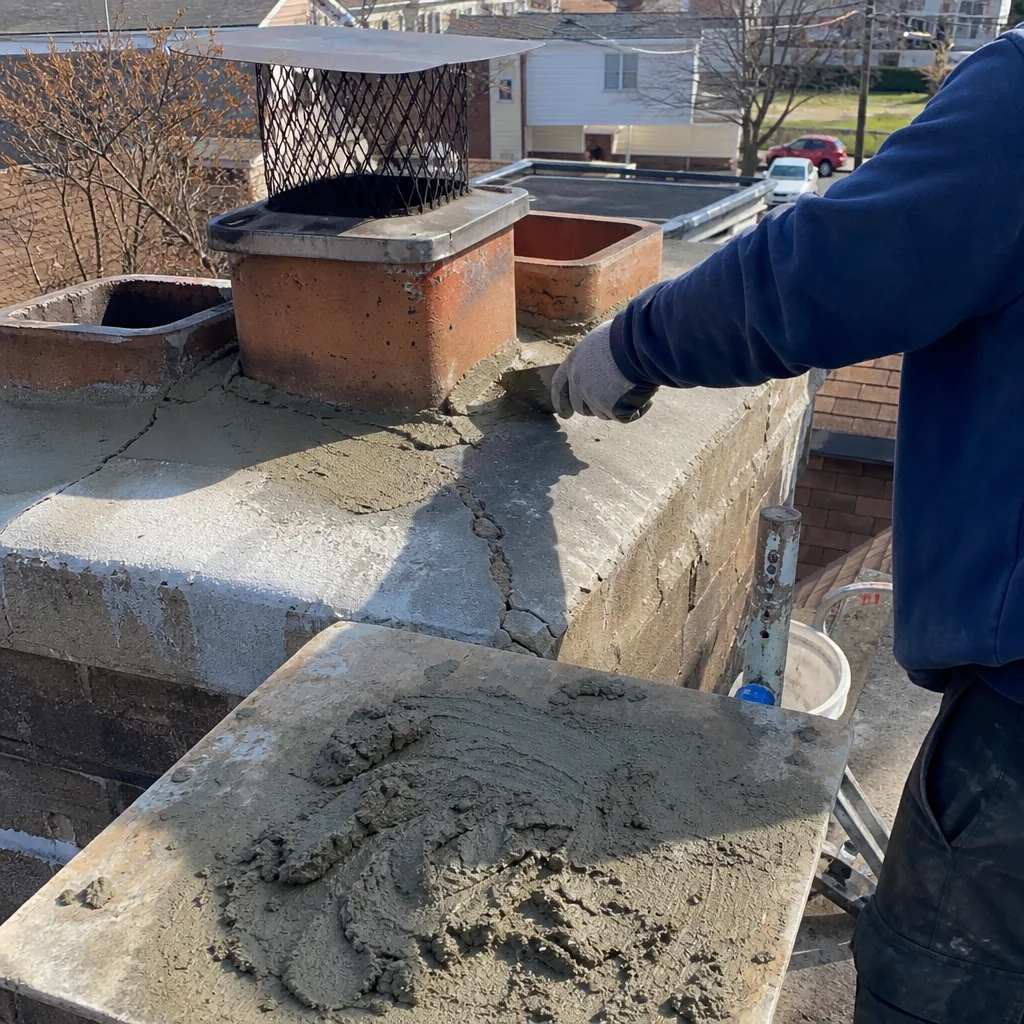
Here is a standard that most Jersey City homeowners have never heard articulated, and it matters. A professional chimney visit should leave you with more than a clean flue. It should leave you with evidence of what was done and what was found.
Specifically, after a professional cleaning and inspection, you should have a written record that includes the flue liner condition in plain terms, not a verbal summary. The smoke chamber and smoke shelf condition, described the same way. The creosote class, if any, using the NFPA 211 classification. The crown and cap condition, with note of any cracking, spalling, or missing mortar. And photographs of the interior, not just an exterior shot of the technician on the roof. Clause 4 of the Haven Standard requires a photo record on every job precisely because a photo is the one piece of evidence that cannot be argued with after the fact.
Corrine Halstead has run Level Two Chimney Jersey City under this documentation standard since 2009. The reason is practical. A homeowner who has photos of their flue from 2023 can compare them to photos from 2027 and see whether a crack has grown, whether the liner is degrading, and whether a repair that was recommended three years ago has become urgent. A homeowner without photos is paying for a memory. The documentation is not a nice add-on. It is the only reason the inspection has value over time. If you want to see the full list of what a repair consultation covers, you can find it on our Chimney Repair in Jersey City page.
This standard also forms the baseline that makes limited DIY maintenance safe. Your inspection report becomes the living document. You brush away surface dust this year, compare against last year’s photos, and book a professional revisit when the photos tell you to. That is not a compromise between DIY and professional. It is a workable system.
Common Mistakes to Avoid
- Brushing a chimney that has never had a camera inspection. You are working blind, and the cost of being wrong is measured in thousands of dollars. In Jersey City, where many homes have multi-era liner patches, visual inspection from the firebox tells you almost nothing.
- Using a wire brush on a gas fireplace flue. Wire brushes are for removing creosote from wood-burning chimneys. On a gas flue, they can scratch aluminum or damage clay tile, and the scratches become collection points for future deposits.
- Ignoring the smoke chamber because you cannot see it. The smoke chamber is where the firebox narrows into the flue, and it is the most common location for glazed creosote in wood-burning chimneys. A DIY brush rarely reaches it properly, and leaving it in place is a fire risk.
- Cleaning a shared Jersey City flue without documenting the neighbor’s side. If debris from your brushing ends up in the attached home’s chimney, you have created a liability problem no brush kit can solve. Shared flues in rowhouses should be treated as a professional-only task.
- Skipping the HEPA filter on your vacuum. Standard shop vac filters let fine chimney dust pass through and back into the living room. Chimney dust is not household dust. It contains whatever has been collecting in the flue, including soot from decades of oil or coal use.
- Treating a chipped damper or flaky mortar as normal. When the brush knocks loose pieces of what looks like tile or mortar, stop. That material is evidence of a structural issue, not normal cleaning debris. Document it, close the fireplace, and get a camera inspection.
- Doing DIY cleaning after a chimney fire scare. If the chimney has had a fire, even a small one the fire department did not respond to, the flue is now a structural question. Brushing it yourself conceals evidence that an inspection would find, and you may be making the damage worse.
When to Call a Professional
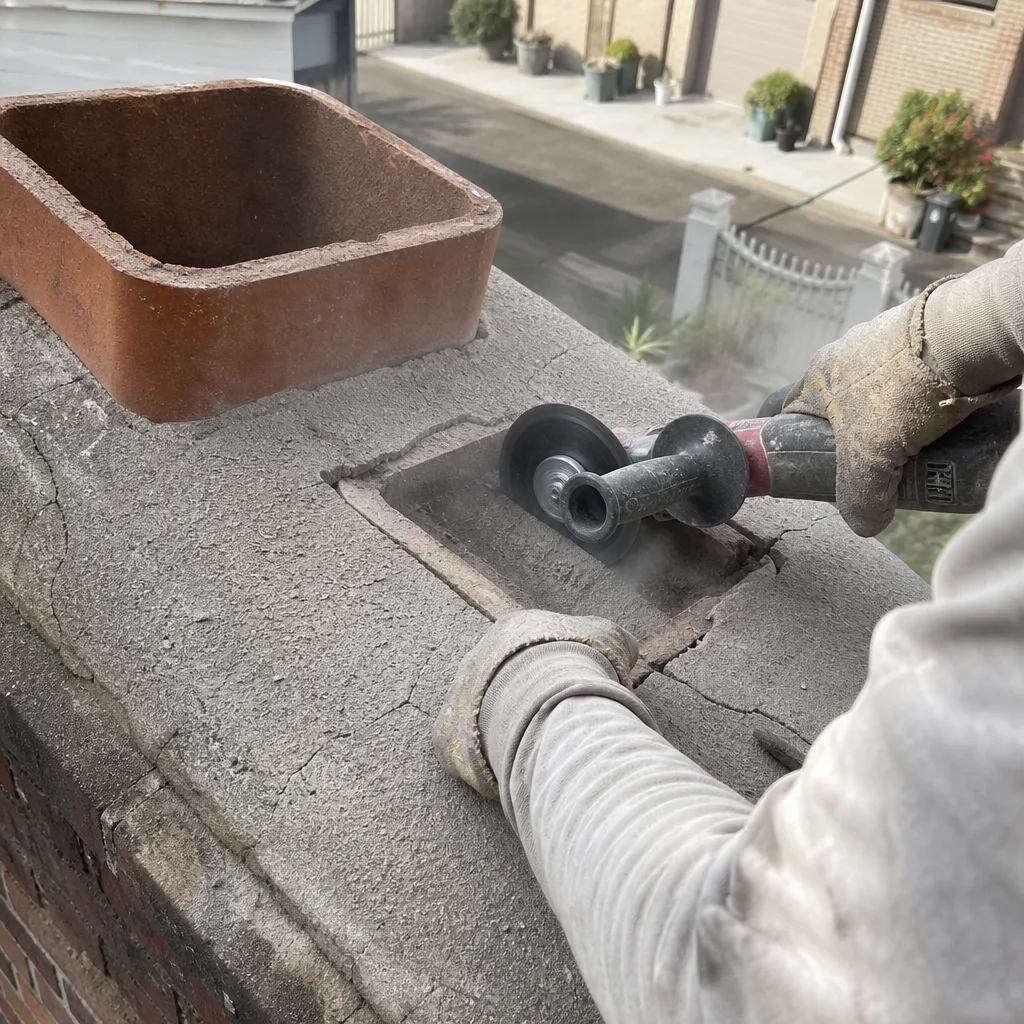
Call a professional if any of these apply: you burn wood regularly, the fireplace has ever had a chimney fire, the home predates 1950 and has never had a camera inspection, the chimney is shared with an attached home, roof access requires a ladder on a rowhouse parapet, you smell smoke in the house during normal operation, or your insurance company has asked for inspection documentation. Our guide on How to Hire a Chimney Cleaning Contractor in Jersey City: A Step-by-Step Guide can help you choose. Any one of those conditions moves the task out of DIY territory, not because of skill but because the risk profile changes.
Level Two Chimney Jersey City offers free estimates in Jersey City, with a written price before any work starts. Call (862) 272-3868 and we will give you a camera-scan inspection, a documented photo record, and a plain-language explanation of what we found and what it means.
Frequently Asked Questions
A chimney cleaning with a camera-scan inspection in Jersey City typically costs between $220 and $390, depending on flue height, roof accessibility, and whether the chimney is shared or has a liner material that requires slower brushing. The price is written down before any work starts, and a documented photo record is included under Haven Standard Clause 4. Call (862) 272-3868 for an exact quote.
Yes, a homeowner can clean their own chimney in New Jersey. There is no statute preventing it. However, insurance companies and local code refer to NFPA 211 inspection standards when claims arise, and a DIY cleaning produces no documentation. The legal question and the insurance question are different, and the second one is where homeowners get hurt.
A wood-burning chimney should be inspected annually and cleaned when creosote buildup reaches 1/8 inch, which for most Jersey City homeowners is every one to two heating seasons; see our Seasonal Chimney Cleaning Care for Jersey City: Year-Round Homeowner’s Guide for timing details. A gas fireplace should have a camera inspection every two years and cleaning as needed based on what the camera shows. The inspection interval matters more than the cleaning interval.
Yes, if the fireplace is decorative gas-only with no wood-burning history, the flue liner was shown intact on a camera inspection within the last 18 months, and you are only removing loose surface dust from the smoke shelf. For anything beyond that, including any sign of deterioration, professional cleaning with camera documentation is the safer route.
The risk depends on what you burn. For a wood-burning chimney, skipping cleaning allows creosote to accumulate, and creosote is the fuel for chimney fires. For a gas fireplace, skipping the inspection allows liner cracks and mortar deterioration to progress undetected, which can lead to carbon monoxide leakage or structural damage. The danger is not the cleaning you skip. It is the inspection that never happens.
Not every company does. Ask before you book. At Level Two Chimney Jersey City, camera-scan inspection is included on every visit, not sold as an add-on, and the photo record is delivered with your documentation. If a company charges extra for what the camera shows, ask what exactly the base price includes.
The Bottom Line
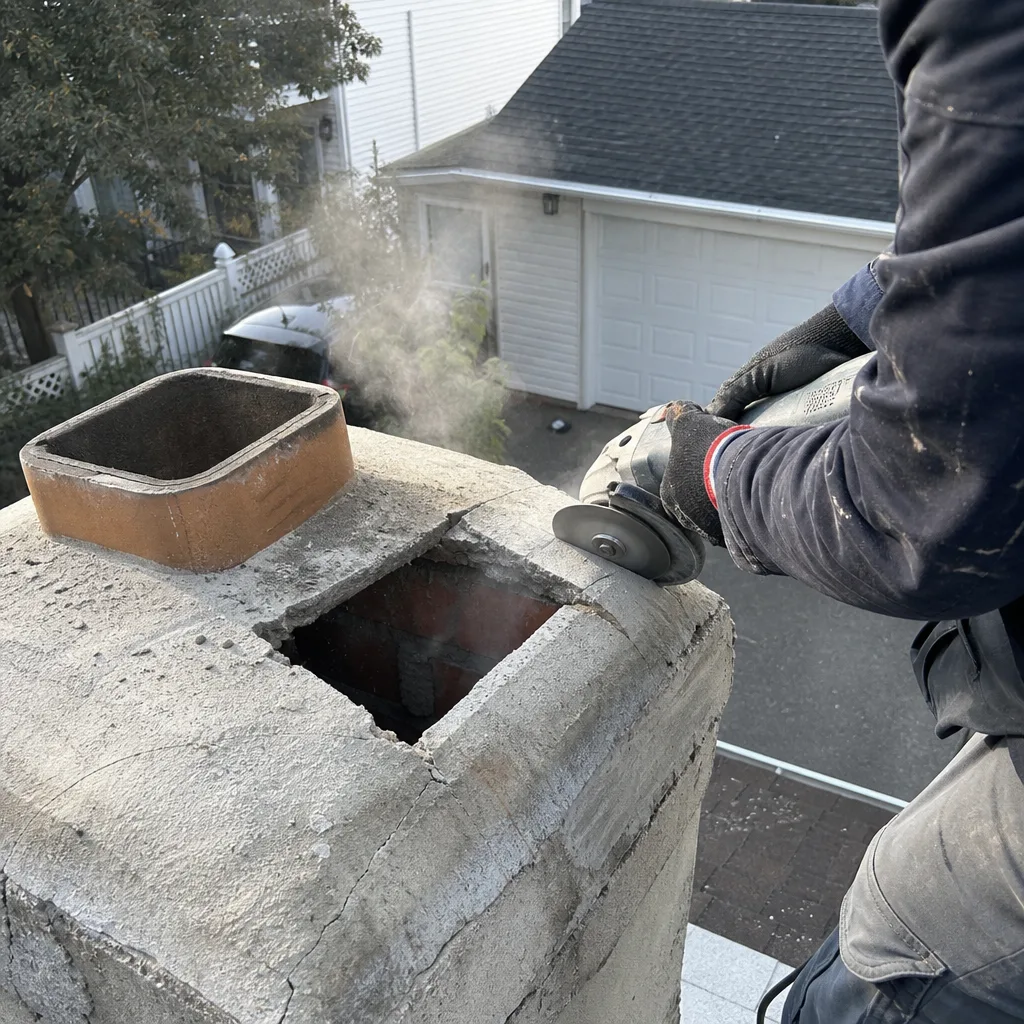
DIY chimney brushing is not a con, and professional cleaning is not a gatekeeping operation. The camera is the differentiator. A brush kit removes what you can reach and tells you nothing about what you cannot. In Jersey City, where rowhouse roofs and shared flues raise the stakes, the cheapest safe system is a professional camera inspection on the schedule your fireplace actually requires, with limited DIY dust removal in between, only when the inspection record says the flue is sound. What you pay for in a professional sweep is not the brushing. It is the evidence. The brushing is the easy part. The camera is the part that keeps you from finding out too late what the brush missed.
For a documented, camera-scan inspection in Jersey City with a written price before any work starts, call Level Two Chimney Jersey City at (862) 272-3868. If you want a broader look at what a full fireplace service in this area covers, our Fireplace Services in Jersey City page lays out the complete offering. You can also learn more about our approach to chimney work on the Level Two Chimney Jersey City home page.
Written by Corrine Halstead, Owner at Level Two Chimney Jersey City, serving Jersey City since 2009.