
Last updated September 20, 2026
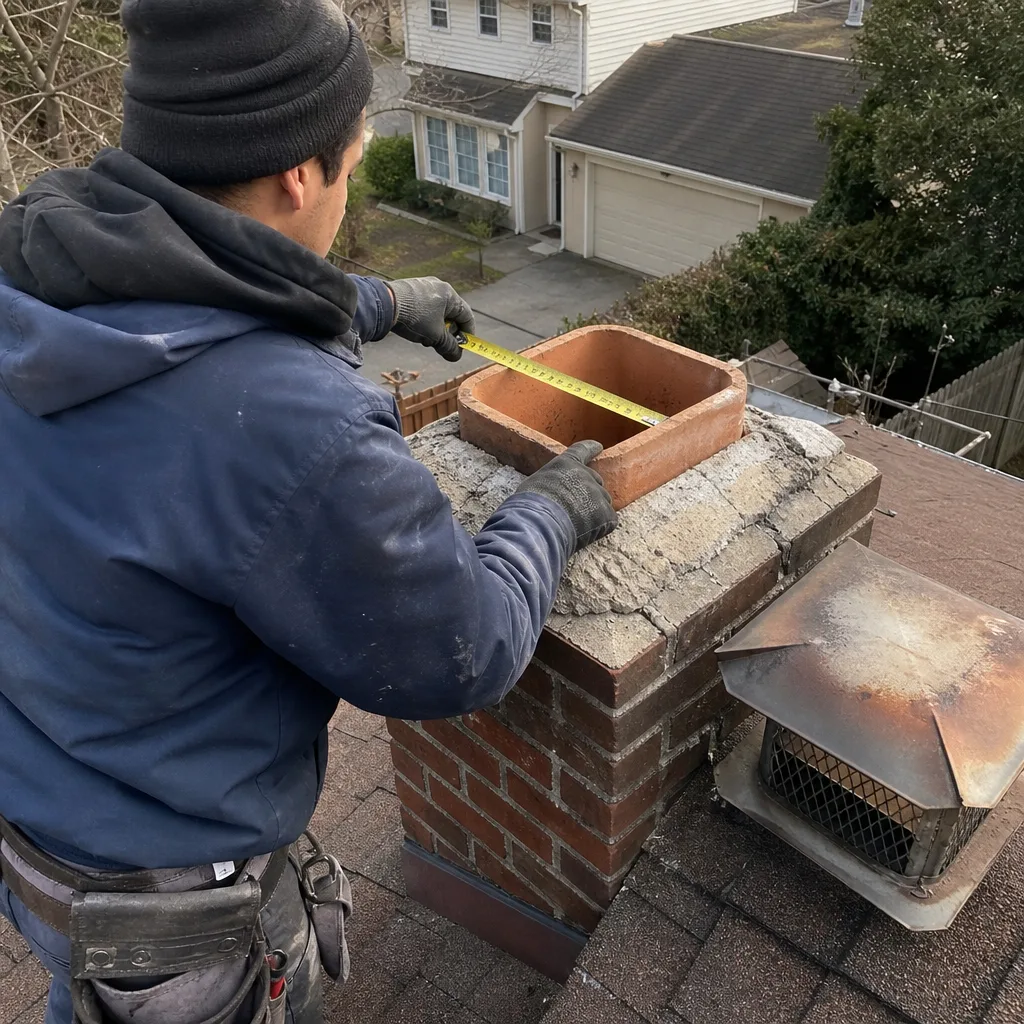
Level 1 sweep and inspection to the NFPA 211 annual standard - flue, crown, cap, and flashing checked and photographed
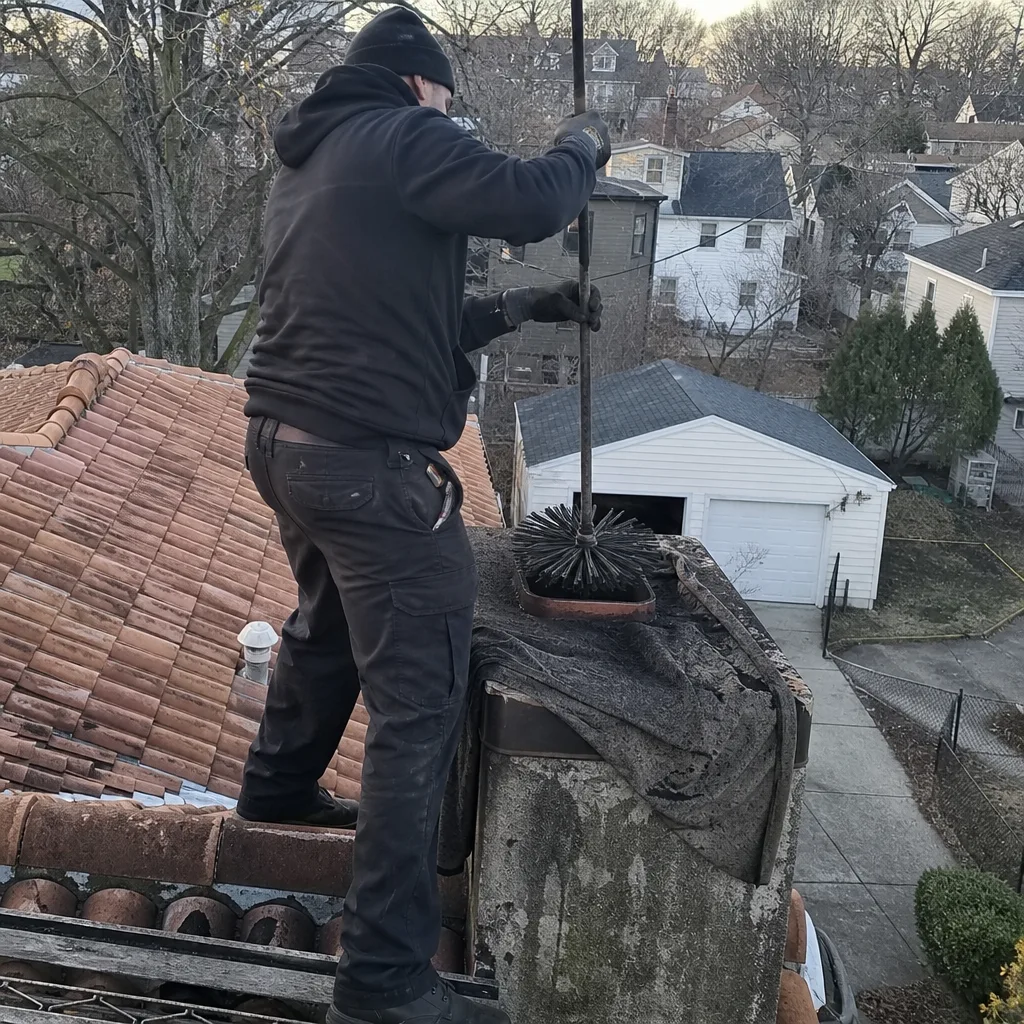
Chimney sweep logs do not sweep chimneys. They loosen some creosote - which then falls where a brush and vacuum still have to collect it.
 Before
 After
After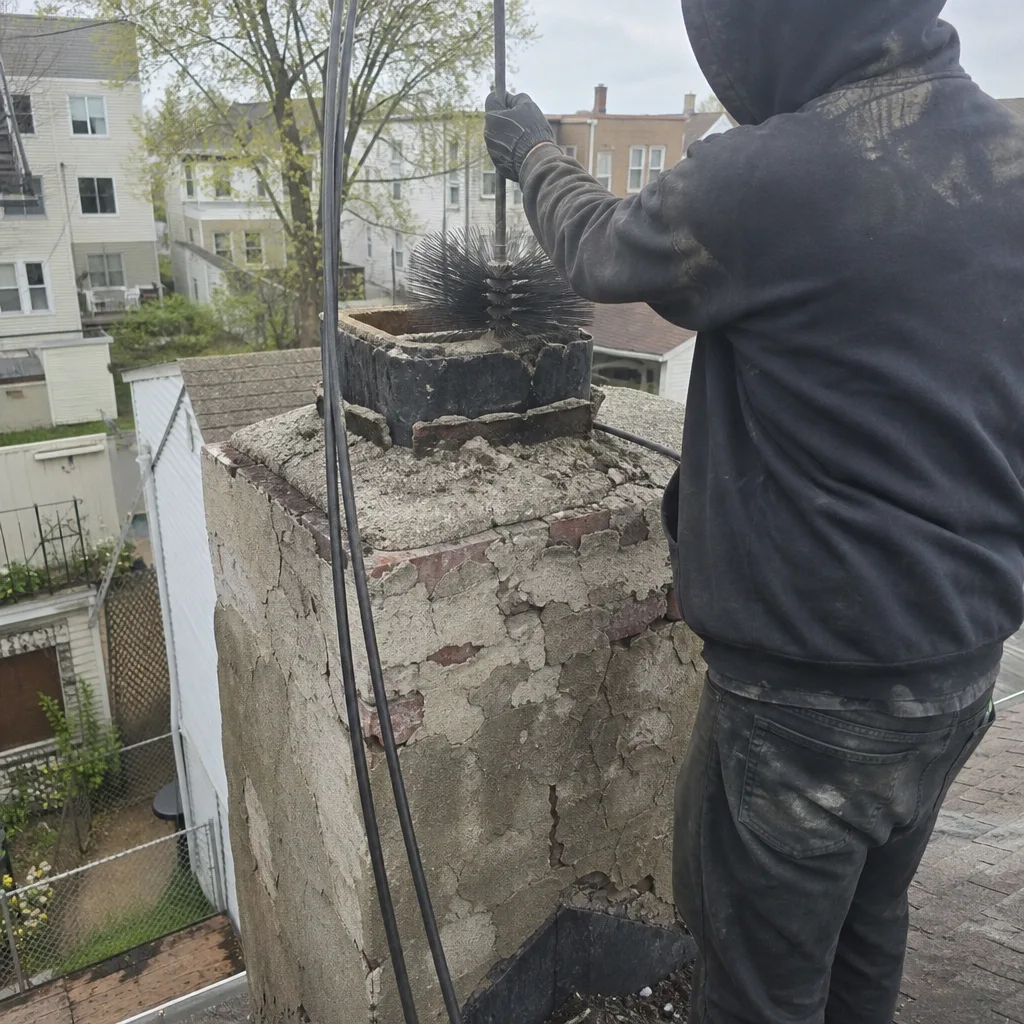 Before
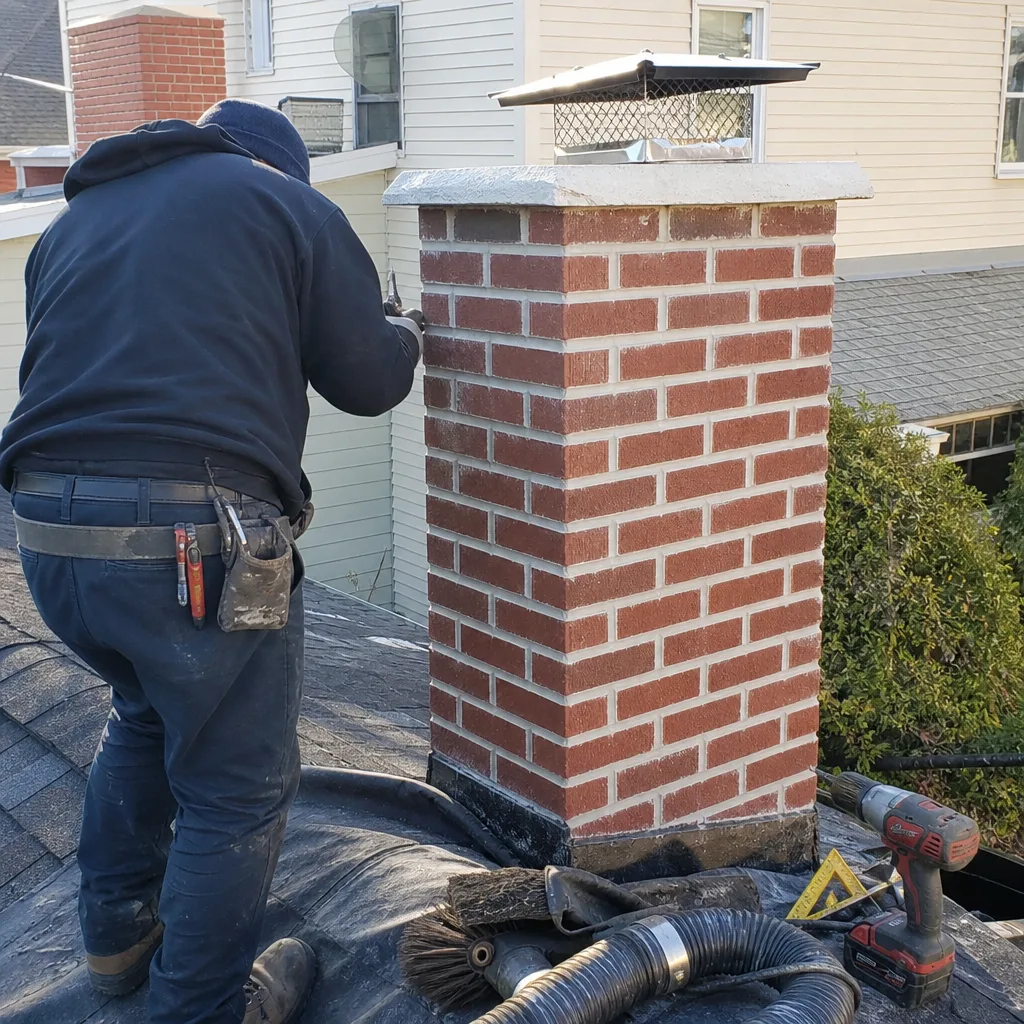 After
After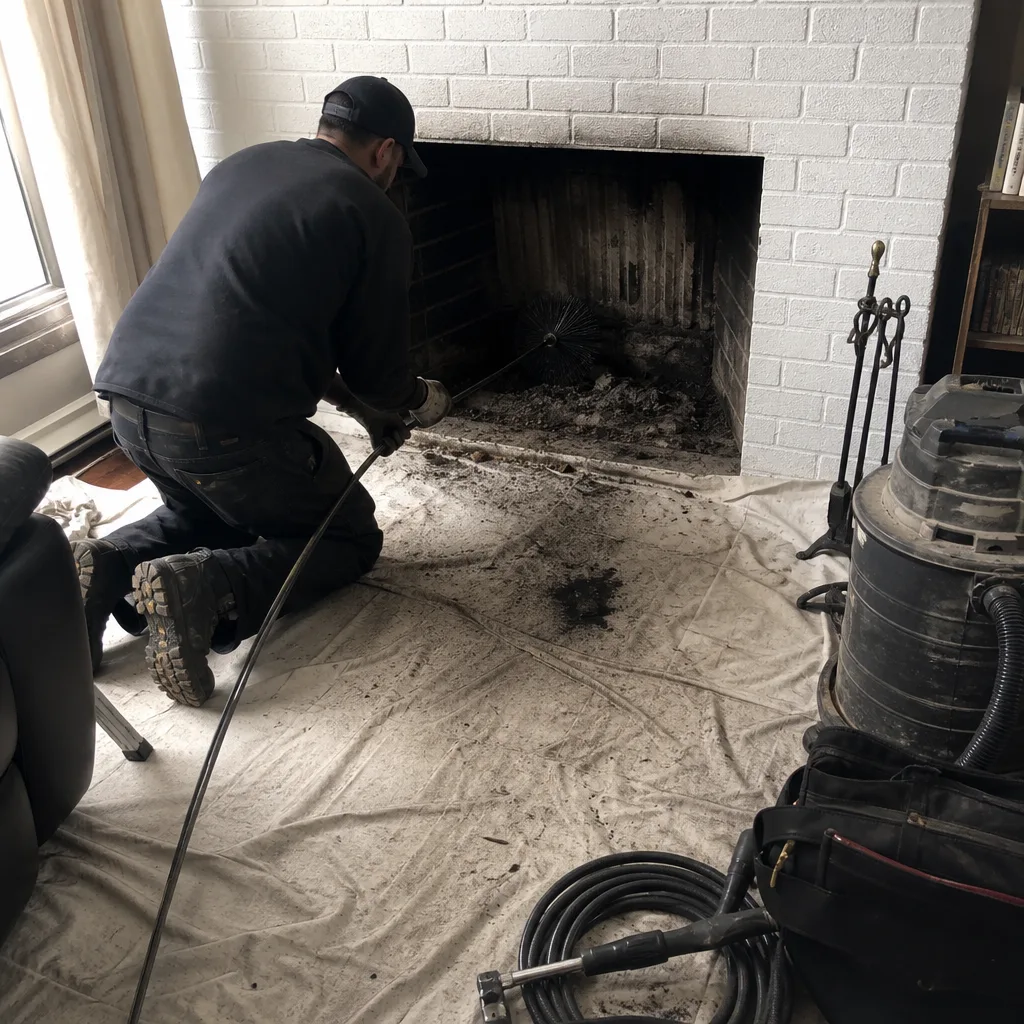 Before
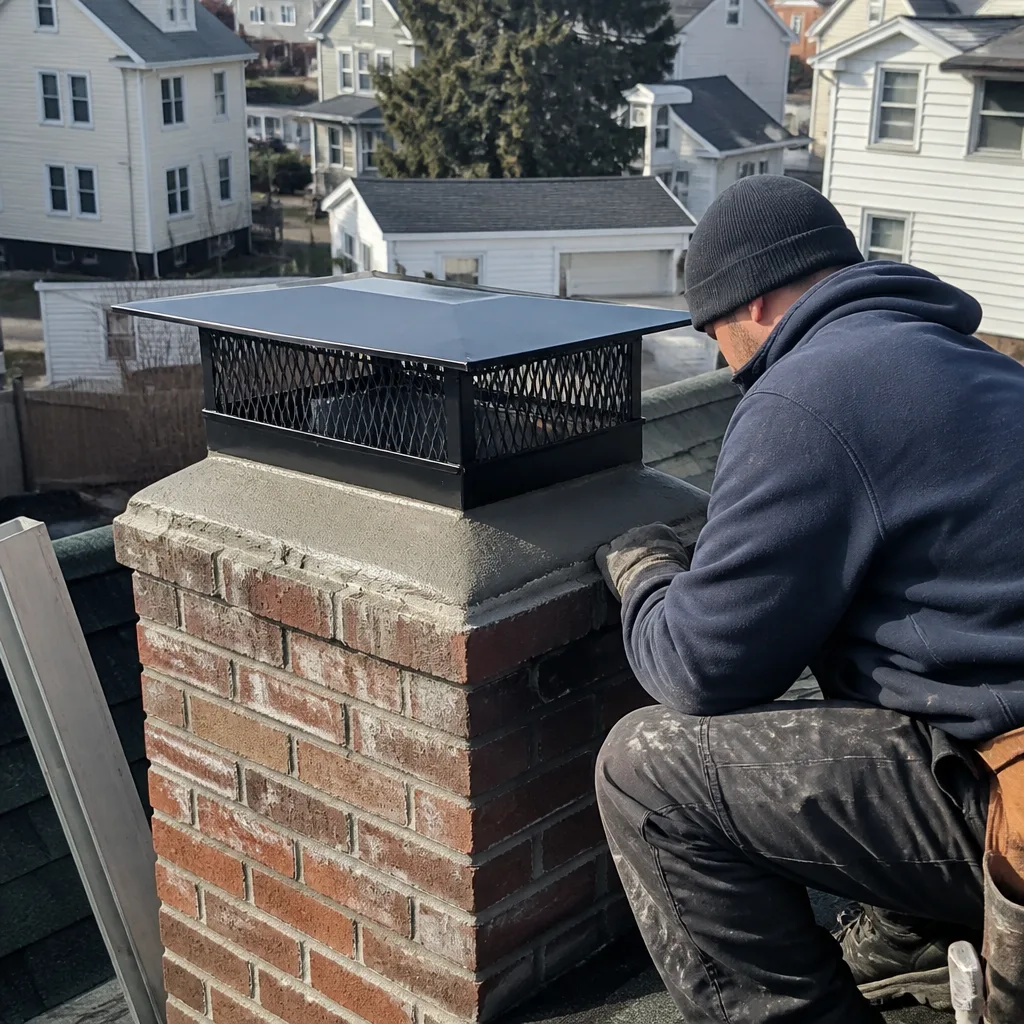 After
AfterSeasonal Chimney Cleaning Care for Jersey City: Year-Round Homeowner’s Guide
August is the month Jersey City gas fireplaces are most likely to show acidic condensation damage. The flue sits cool and damp all summer while humidity peaks over the Hudson, and the acidic condensate from last winter’s gas logs has had months to work on the liner. Most annual cleaning schedules miss this completely because they treat the chimney as a heating-season appliance instead of a year-round exhaust system. This guide explains what actually happens inside your flue during each of Jersey City’s four seasons, when cleaning matters most, and what a homeowner can observe from the living room without ever climbing a ladder; for more guides & resources, see our blog.
Quick Answer
Seasonal chimney care in Jersey City means cleaning after the heating season ends in spring, inspecting the cap and crown after summer humidity peaks, completing a Level 2 camera inspection in September before burn season starts, and watching for smoke rollout or odor during winter use; our Chimney Cleaning & Sweep Maintenance Checklist for Jersey City Homeowners covers each step in detail. Gas appliance chimneys need attention in spring specifically because acidic condensate sits on the liner all summer and accelerates deterioration. A once-a-year sweep in November misses the damage window entirely.
Table of Contents
- Spring: Why Post-Heating-Season Cleaning Matters for Gas Appliances
- Summer: Cap, Crown, and the Humidity Season in Jersey City
- Fall: The September Inspection Sequence (Not November)
- Winter: Mid-Season Warning Signs You Can Observe Without a Camera
- Jersey City Waterfront Factor: Salt Air and Liner Corrosion
- Building a Seasonal Maintenance Schedule That Works
- What Seasonal Chimney Care Costs in Jersey City
- Common Mistakes to Avoid
- When to Call a Professional
- Frequently Asked Questions
- The Bottom Line
 Before
 After
AfterSpring: Why Post-Heating-Season Cleaning Matters for Gas Appliances
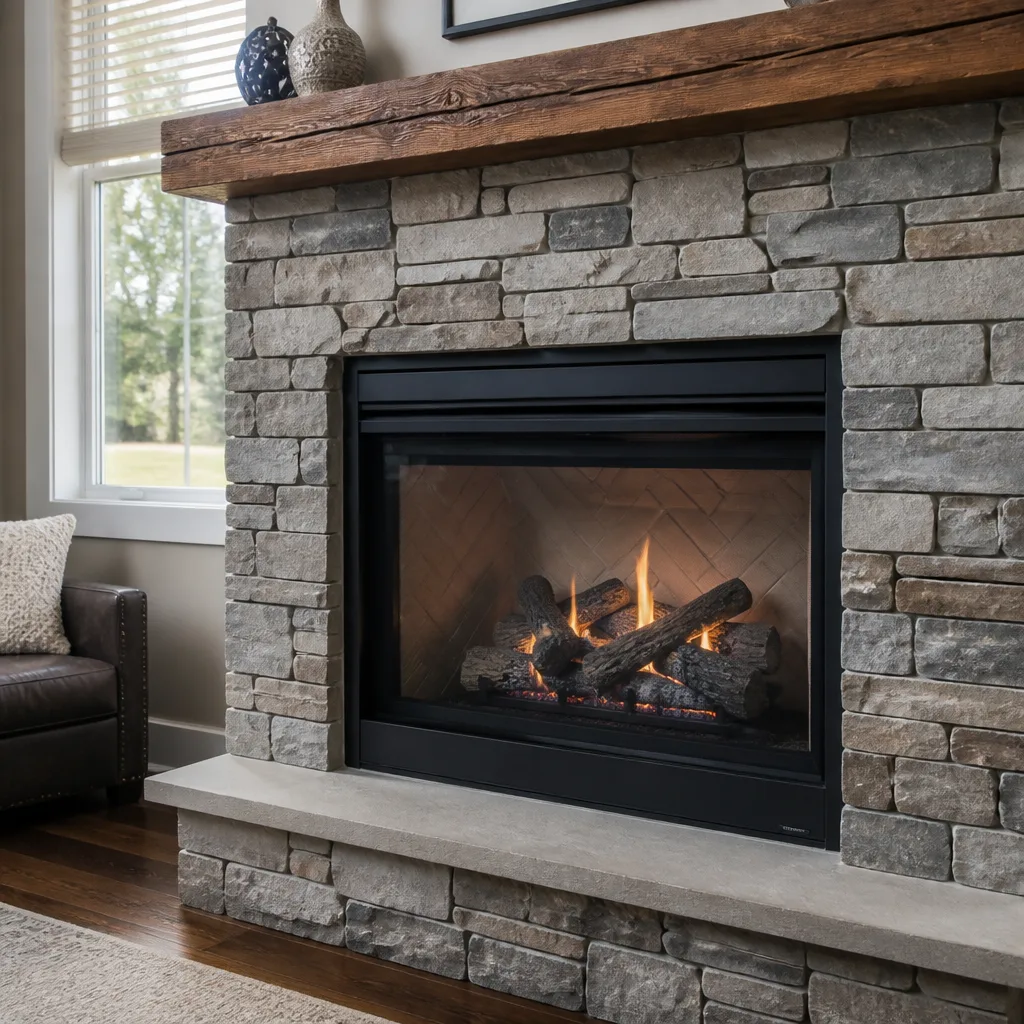
Gas fireplaces and gas inserts produce water vapor as a combustion byproduct. In a properly drafting flue, that vapor exits the top. But during spring shutdown, the residual moisture in the flue combines with sulfur compounds from the gas to form a mild acid. Left sitting on a clay tile liner through six months of warm weather, that acid etches the surface. We’ve pulled camera footage from chimneys in Paulus Hook and Bergen-Lafayette showing glaze deterioration that started as a faint white bloom in April and became spalling by September.
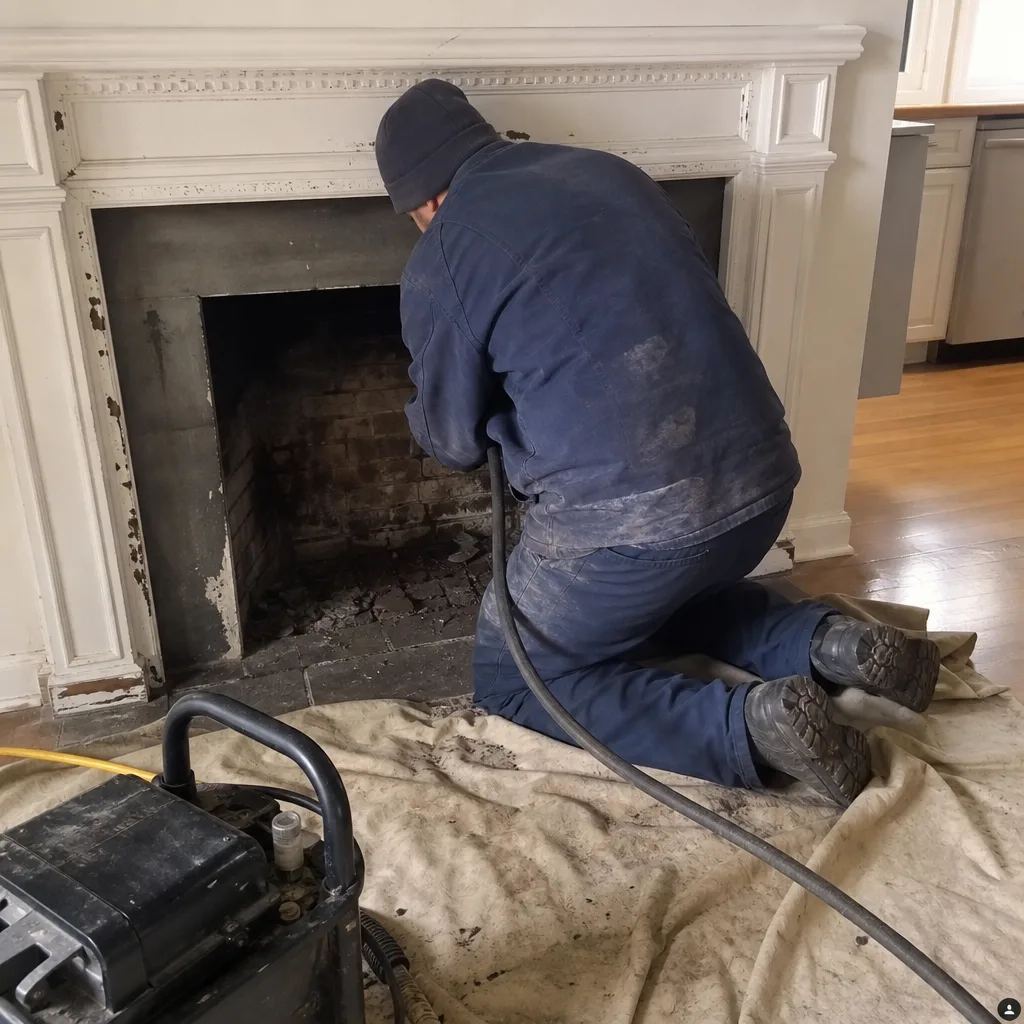
The fix is straightforward: a post-season sweep in April or May removes the acidic residue before it has time to sit. This is not the same as the pre-season sweep most homeowners schedule. It is a second, separate cleaning that targets condensate, not creosote. For homes in downtown Jersey City with gas-only appliances, this spring visit is often more important than the fall one, because gas produces less creosote but more acidic moisture than wood.
What a spring cleaning should include:
- Removal of acidic condensate residue from the flue liner walls.
- Inspection of the liner surface for early etching or glaze breakdown, documented with camera photos.
- Clearing of any debris, nesting material, or leaves that accumulated over winter.
- A damper check: the damper should seat fully and operate smoothly before the humid months arrive.
- A written condition report noting liner class, creosote class if applicable, and any change from the prior visit.
If you have a wood-burning fireplace, spring cleaning removes the creosote left by winter fires before humid summer air turns it sticky and more corrosive. The chemistry is different, the timing is identical: clean after the last fire, not before the first one. Learn more about what a proper sweep involves on our Chimney Cleaning & Sweep in Jersey City page.
Summer: Cap, Crown, and the Humidity Season in Jersey City
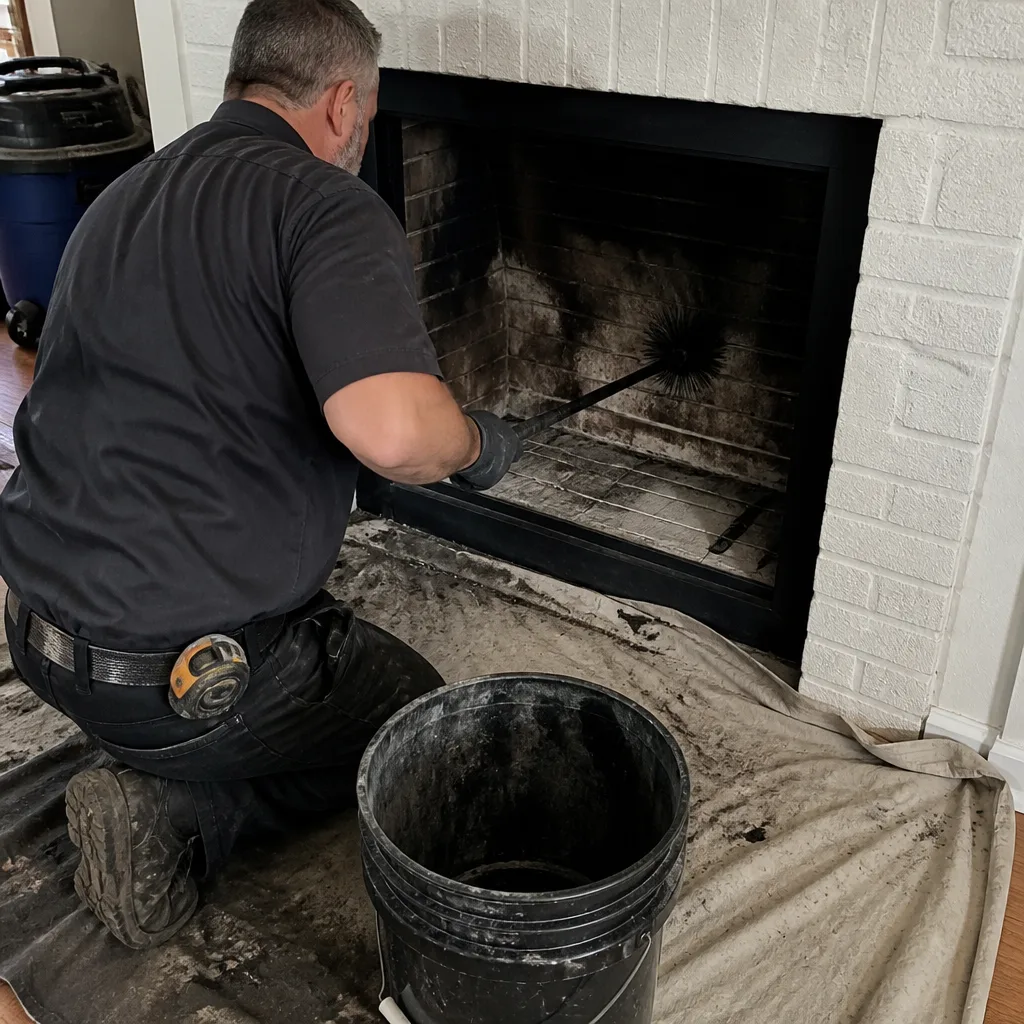
Jersey City summers are not just hot. They are wet. Average humidity runs above 65% from June through August, and the overnight temperature swings near the waterfront create condensation cycles inside unlined or clay-tile chimneys. The two components that take the most abuse during this season are the chimney cap and the crown, both of which sit fully exposed to rain, sun, and the salt air that rolls in off Newark Bay and the Hudson.
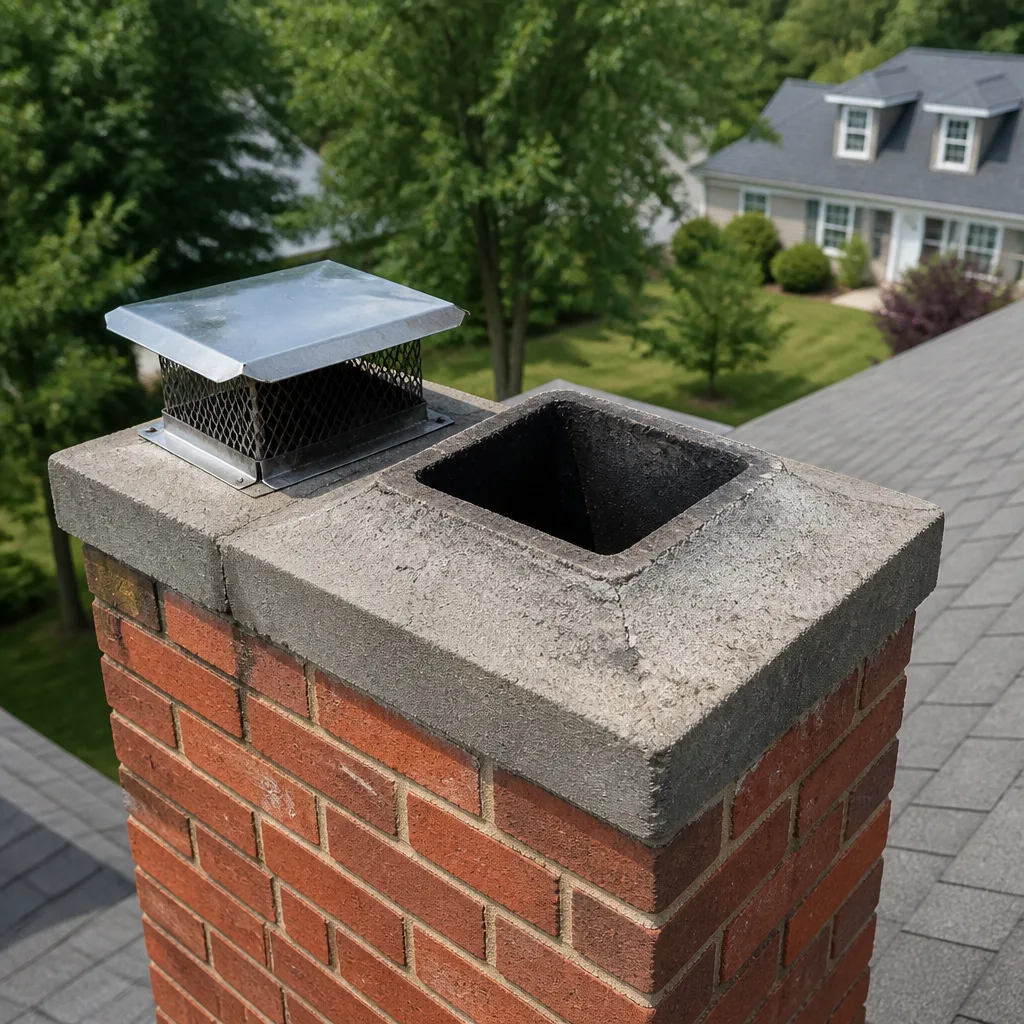
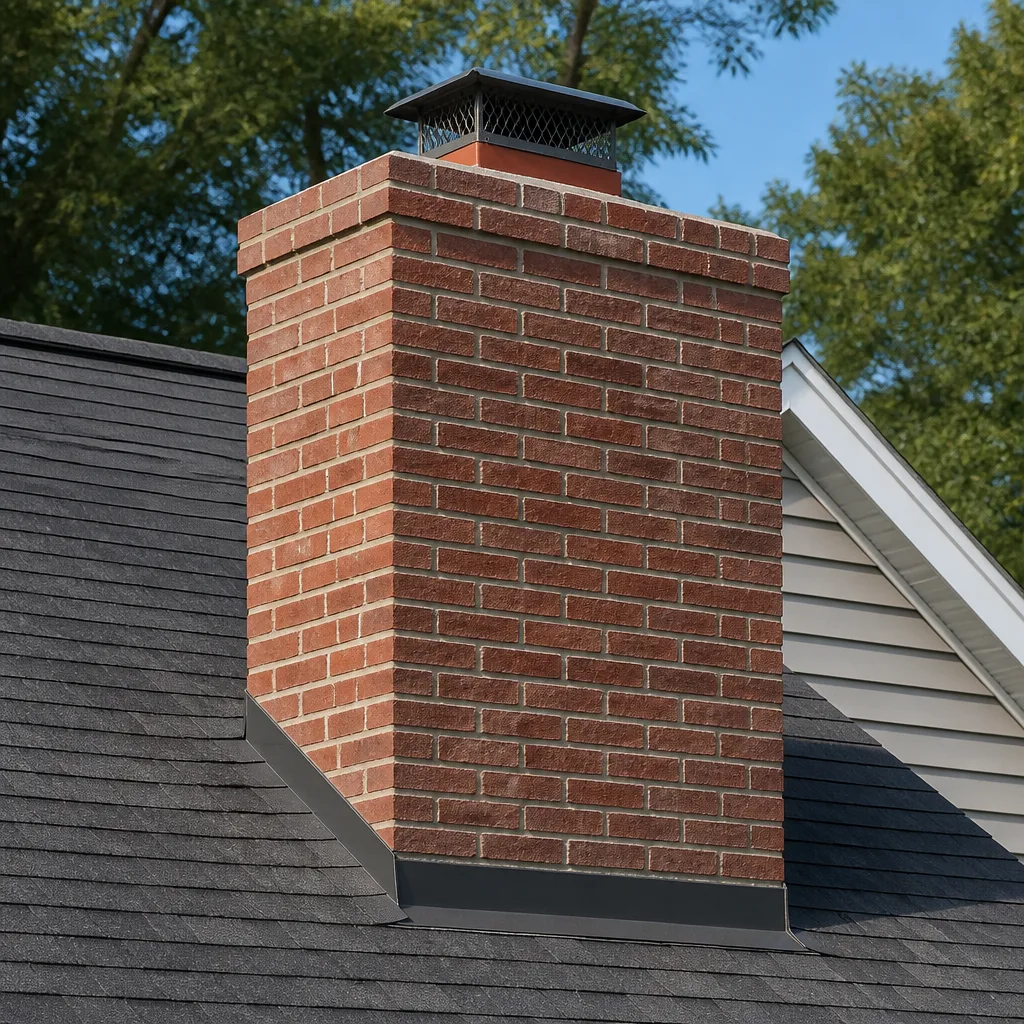
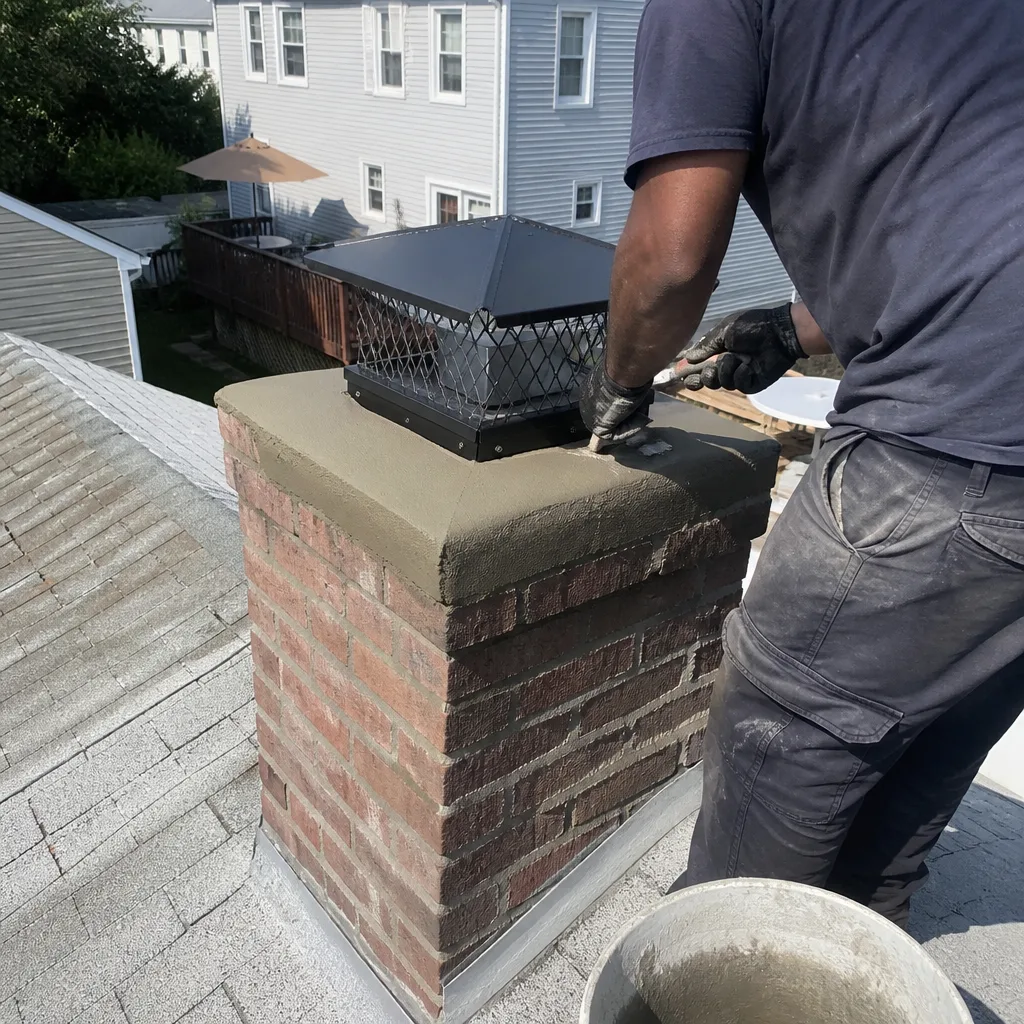
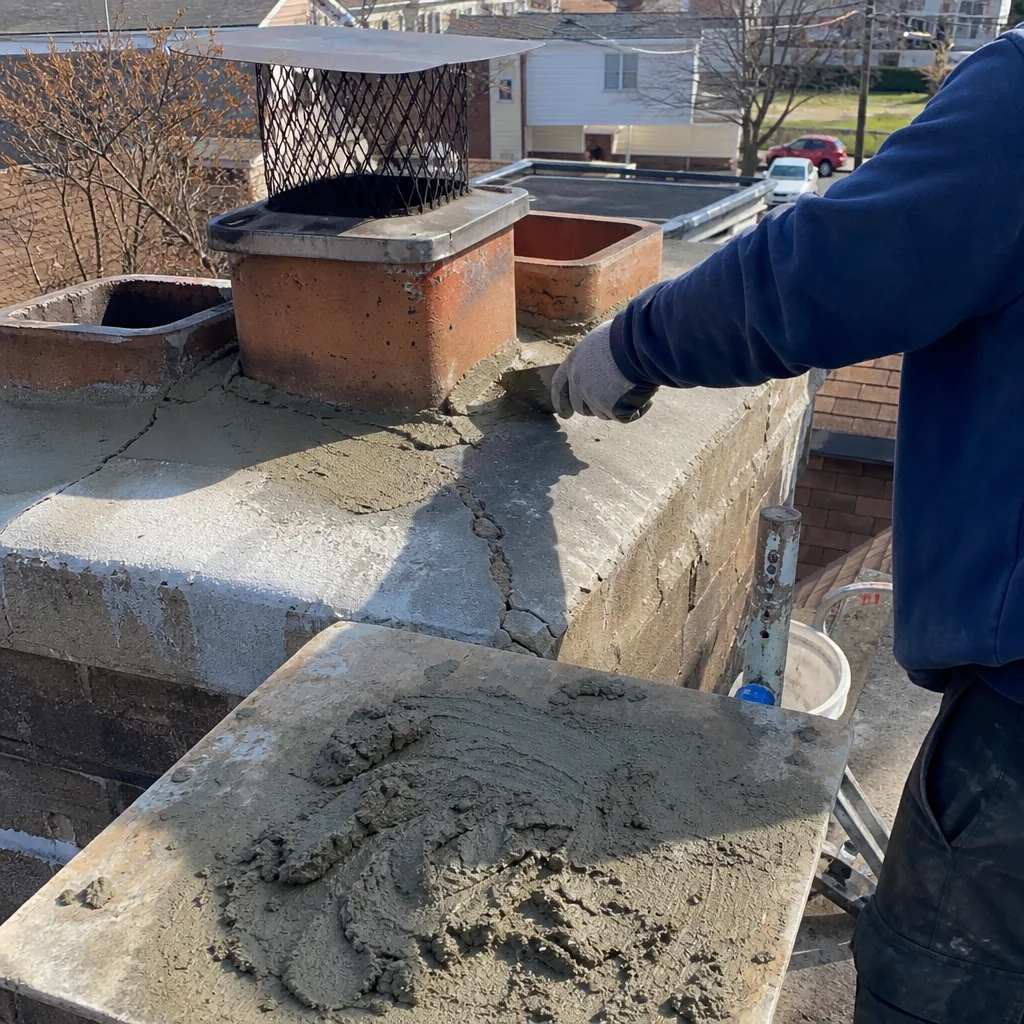
A crown is the concrete slab at the top of the chimney that seals the masonry from water intrusion. Hairline cracks that were invisible in March can open into visible fissures by August as the concrete expands and contracts. Once water gets through the crown, it soaks into the brick and mortar, and the freeze-thaw cycle of a Jersey City winter does the rest. The cap, meanwhile, should be checked for rust-through, loose mesh, or gaps where birds and wasps can enter. We find wasp nests occupying chimney caps in the Heights and Journal Square every single summer.
Summer checklist for Jersey City homeowners:
- Visually check the cap from the ground with binoculars: look for rust, tilt, or missing sections.
- Look for water staining on the ceiling around the chimney chase, or efflorescence (white mineral deposits) on exterior brick.
- Listen for birds in the flue. Starlings and sparrows are common nesters in uncapped chimneys in Jersey City, and nests obstruct draft and attract mites.
- If you have a gas fireplace, leave the pilot off during summer but keep the damper cracked open slightly if the manufacturer allows it. This lets humid air escape rather than condense inside the flue.
- Schedule a cap and crown inspection before Labor Day. September is the correct month for this, not November, when everyone in Jersey City calls at once.
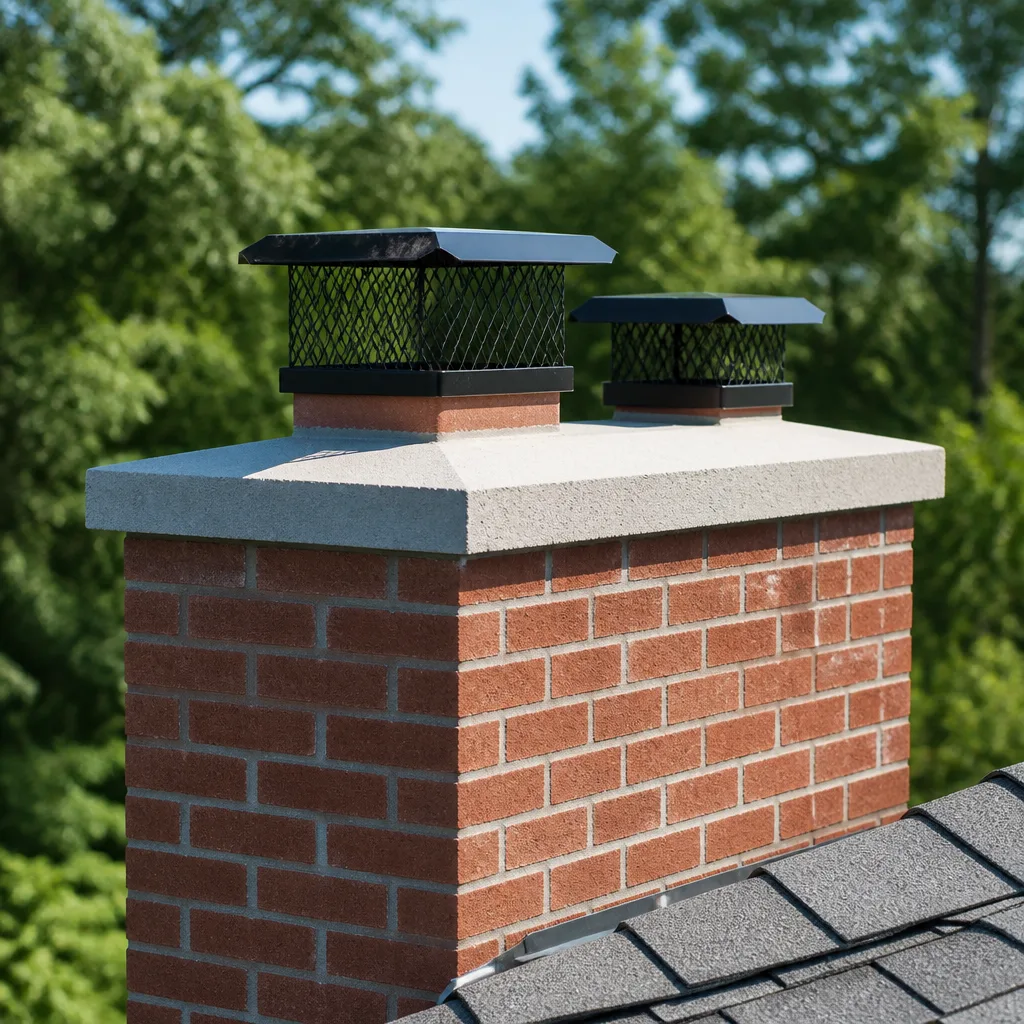
If your chimney lacks a cap entirely, summer is the best season to install one. The flue is not in use, and a properly sized cap from Copperfield or Gelco will keep out rain, animals, and debris for years. We recommend a cap with a spark arrestor mesh around the full perimeter, which satisfies code in most Jersey City neighborhoods and prevents ember escape from wood-burning fireplaces.
Fall: The September Inspection Sequence (Not November)
Every year, the third week of November produces a flood of calls from Jersey City homeowners who lit their first fire and smelled smoke in the living room. By then, most chimney companies are booked into December, and the homeowner burns two or three weeks of the heating season without a clean flue. The correct sequence is September, and the correct order matters.
The pre-season inspection sequence we follow for Jersey City homes:
- Visual exterior check: cap, crown, flashing, brick condition, and any signs of spalling from the sidewalk.
- Camera scan (NFPA 211 Level 2): a camera goes down the full flue length, recording liner condition, mortar joints, and any blockages. This is Clause 4 of the Haven Standard: a documented photo record on every visit, included as standard, not an optional add-on.
- Creosote assessment: if wood is burned, the creosote is classified from Class I (light dust) to Class III (glazed, tar-like deposits). Class III requires chemical treatment before mechanical removal to avoid liner damage.
- Smoke chamber and damper check: the smoke chamber is the cone-shaped transition above the firebox, and it is the most commonly missed section in a basic sweep. Gaps in smoke chamber parging are a fire-code issue and a draft killer.
- Draft test: a smoke match or stick incense at the firebox opening confirms the flue pulls upward, not into the room.
- Written report: the homeowner receives written scope, written price for any recommended work, and the photo record from the camera scan, before any work proceeds.
September matters because it leaves time. If the camera finds a cracked liner, a crown in need of resealing, or a damper that will not seat, the repair can be scheduled before the first real cold snap, not after it. For more detail on what a proper chimney repair involves in our area, see our Chimney Repair in Jersey City page.
Winter: Mid-Season Warning Signs You Can Observe Without a Camera
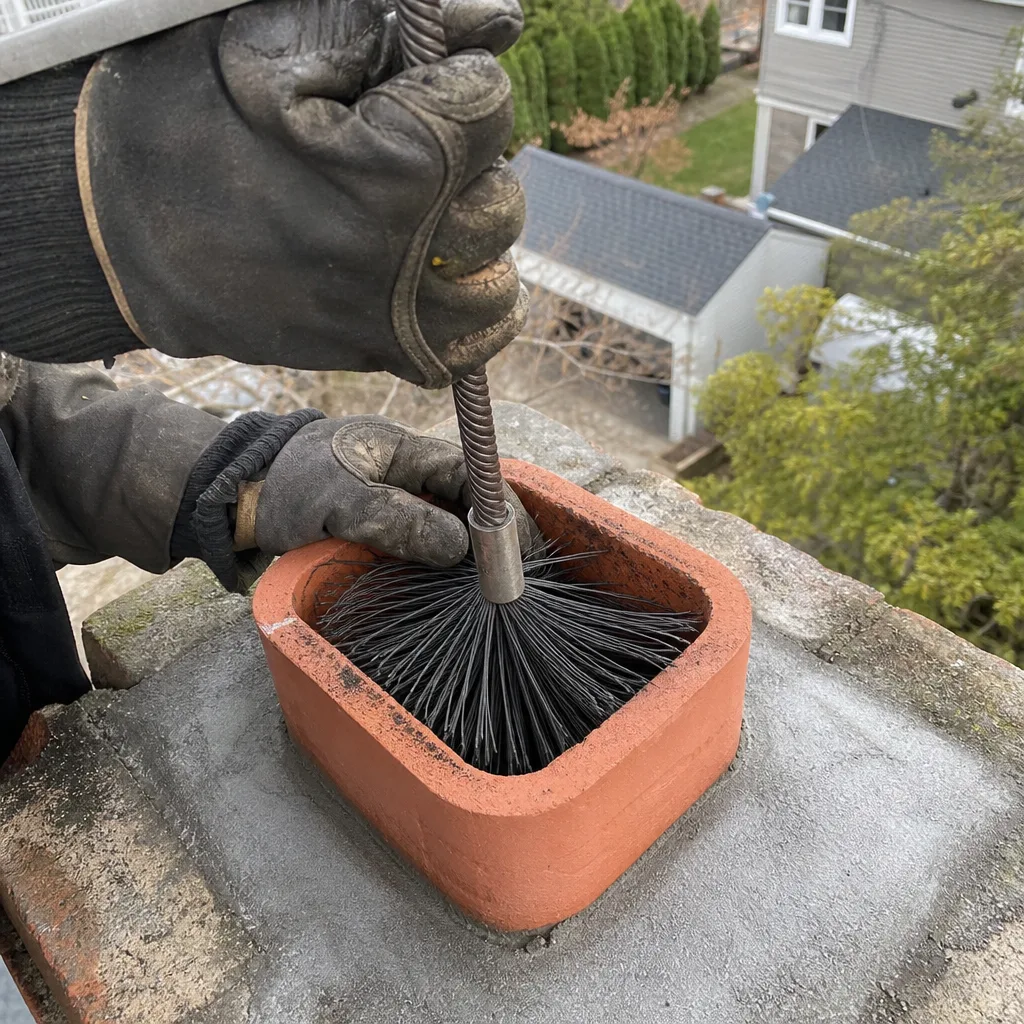
Most Jersey City homeowners cannot look down their own flue safely, and they should not try. But a chimney in trouble announces itself in ways that are visible from the hearth. The key is knowing which signs mean stop using the fireplace immediately and which mean schedule a cleaning soon.
Signs that mean stop using the fireplace and call a professional the same day:
- Smoke rollout: smoke entering the room when the fireplace is burning, rather than rising up the flue. This indicates a draft failure, which can be caused by a cold flue, a blockage, or negative pressure from an exhaust fan running elsewhere in the house.
- A burning smell when the fireplace is not in use: this can indicate a slow smolder in creosote deposits or debris inside the flue.
- Visible soot falling into the firebox between fires: this means creosote is shedding from the flue walls.
- Damper frost: ice forming around the damper plate during cold snaps. This is condensation freezing inside the flue, and it signals both moisture intrusion and a damper that is not sealing.
Signs that mean schedule a cleaning before the next burn:
- Odor on humid days: a musty, campfire-like smell coming from the fireplace when it has not been used in weeks.
- Difficulty lighting fires: a fire that struggles to catch or produces lazy, yellow flames often indicates poor draft from partial blockage.
- Flakes of creosote on the smoke shelf visible with a flashlight from below.
- More frequent glass fogging on a glass-door fireplace insert, which indicates excess moisture in the combustion path.
Mid-winter, the priority is safety. A blocked or heavily creosoted flue is a chimney fire risk, and a draftless fireplace introduces carbon monoxide risk if the appliance is gas. Do not attempt to clear a blockage yourself; high-tension components and confined flue spaces require a trained professional. If you see smoke rollout, stop burning, open a window to equalize pressure, and call us. For homeowners with gas fireplaces specifically, learn more about inspection and service on our Fireplace Services in Jersey City page.
Jersey City Waterfront Factor: Salt Air and Liner Corrosion
Homes within a mile of the Hudson River or Newark Bay face a condition that inland New Jersey chimneys do not: salt air. Airborne chloride particles settle on exposed metal components and accelerate oxidation. For a chimney, the components most affected are stainless steel liners, caps, and flashings.
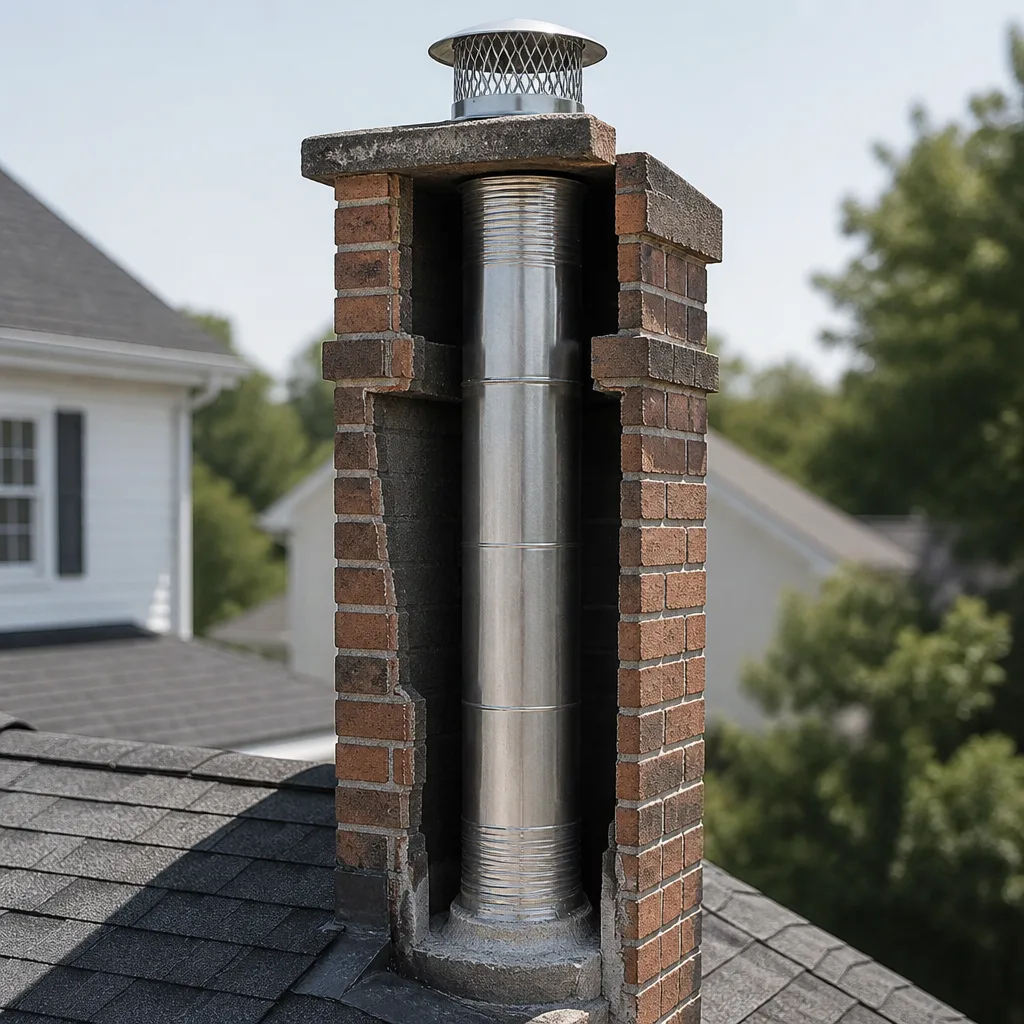
A stainless steel liner in a waterfront home in Paulus Hook or the Waterfront district will typically show surface corrosion within eight to twelve years of installation, where the same liner in the Heights or Greenville might go fifteen to twenty without visible pitting. The salt does not attack stainless steel the way it attacks carbon steel, but it does compromise the passive oxide layer that protects the metal, which means pitting starts earlier and progresses faster once it begins.
What this means for Jersey City homeowners:
- If your chimney has a stainless liner, have it camera-scanned annually. Early pitting is correctable with a resurfacing treatment before it becomes a full reline.
- Clay tile liners are affected differently: salt intrusion into the masonry accelerates the same freeze-thaw damage that winter causes, because salt water expands more aggressively than fresh water when it freezes.
- Caps and flashings on waterfront homes should be inspected for rust-through every summer. A cap that lasts fifteen years inland may last ten on the waterfront.
- If you are within three blocks of the river, consider upgrading replacement caps and flashings to heavier-gauge stainless. We source this hardware from Olympia Chimney and Famco, and the cost difference is modest compared to replacing a rusted cap twice.
This is the single most overlooked factor in Jersey City chimney maintenance. Most national chimney guides are written for suburban wood-burning markets and never mention salt air at all.
Building a Seasonal Maintenance Schedule That Works
The simplest way to stay ahead of chimney problems in Jersey City is to anchor maintenance to calendar dates, not to seasons, because seasons shift but the calendar does not. Here is the schedule we recommend to our clients in Jersey City:
The Jersey City Chimney Calendar
- April 15 to May 15: Post-season cleaning. Sweep the flue, remove condensate and creosote, inspect the liner. This is the most commonly skipped service and the one that most extends liner life.
- June 1 to June 30: Cap and crown check. Look for rust, cracking, and animal activity. Install a cap if missing.
- September 1 to September 30: Pre-season Level 2 camera inspection. Complete the full sequence described above, including draft test and written report.
- December 1 to March 15: Observation window. Watch for smoke rollout, odor, damper frost, and soot shedding. Call immediately if any appear.
If a homeowner follows this calendar, the flue never goes more than six months without eyes on it, and no seasonal damage mechanism gets a full year to operate unchecked. The camera record from each visit becomes a timeline: liner condition in April versus September versus next April, so deterioration shows up as a trend, not a surprise.
For homes in Jersey City that burn wood only occasionally, the April cleaning can sometimes be skipped if the September inspection shows no buildup. But the April visit is when we catch the acidic condensate damage on gas flues, and skipping it means giving that acid a full summer to work. We tell gas-appliance homeowners the spring visit is the non-negotiable one.
What Seasonal Chimney Care Costs in Jersey City
Chimney pricing in Jersey City runs higher than the national average because of building density, roof access difficulty on row houses and brownstones, and the prevalence of older masonry chimneys that require more care during access; see our Chimney Cleaning Cost Breakdown: The Jersey City Homeowner’s Reference for 2026 for full details. Here are the current market ranges we see across Jersey City for routine seasonal work:
| Service | Typical Jersey City Range | Notes |
|---|---|---|
| Standard chimney sweep (wood or gas) | $189 - $329 | Includes visual inspection and basic report |
| Level 2 camera inspection (add-on or standalone) | $149 - $275 | Includes full video scan and photo record |
| Cap replacement (standard stainless) | $245 - $550 | Varies by flue size and roof access |
| Cap installation (new, where no cap exists) | $325 - $650 | Includes sizing, flashing if needed, and mounting |
| Crown resealing | $450 - $900 | Depends on crown size and crack severity |
| Stainless liner resurfacing (partial) | $1,200 - $2,800 | For early pitting, not full reline |
| Full stainless reline | $3,500 - $7,500 | Depends on flue height, liner diameter, and roof access |
These are the prices a Jersey City homeowner should see on a written estimate. If a company will not put a number in writing before the technician arrives, walk away. Clause 1 of the Haven Standard exists for exactly this reason: a written price, written scope, and written warranty are delivered before anyone starts, not after the tech is already in your home. Every one of the 38,000-plus chimneys we have inspected and cleaned since 2009 has been quoted this way.
We also offer a free second opinion on any written estimate from another company. Bring us the competitor’s written quote, and we will tell you honestly whether the work is necessary, overpriced, or incomplete. That is how the market should work, and it is how we have operated in Jersey City since the company started under Corrine Halstead in 2009.
Common Mistakes to Avoid
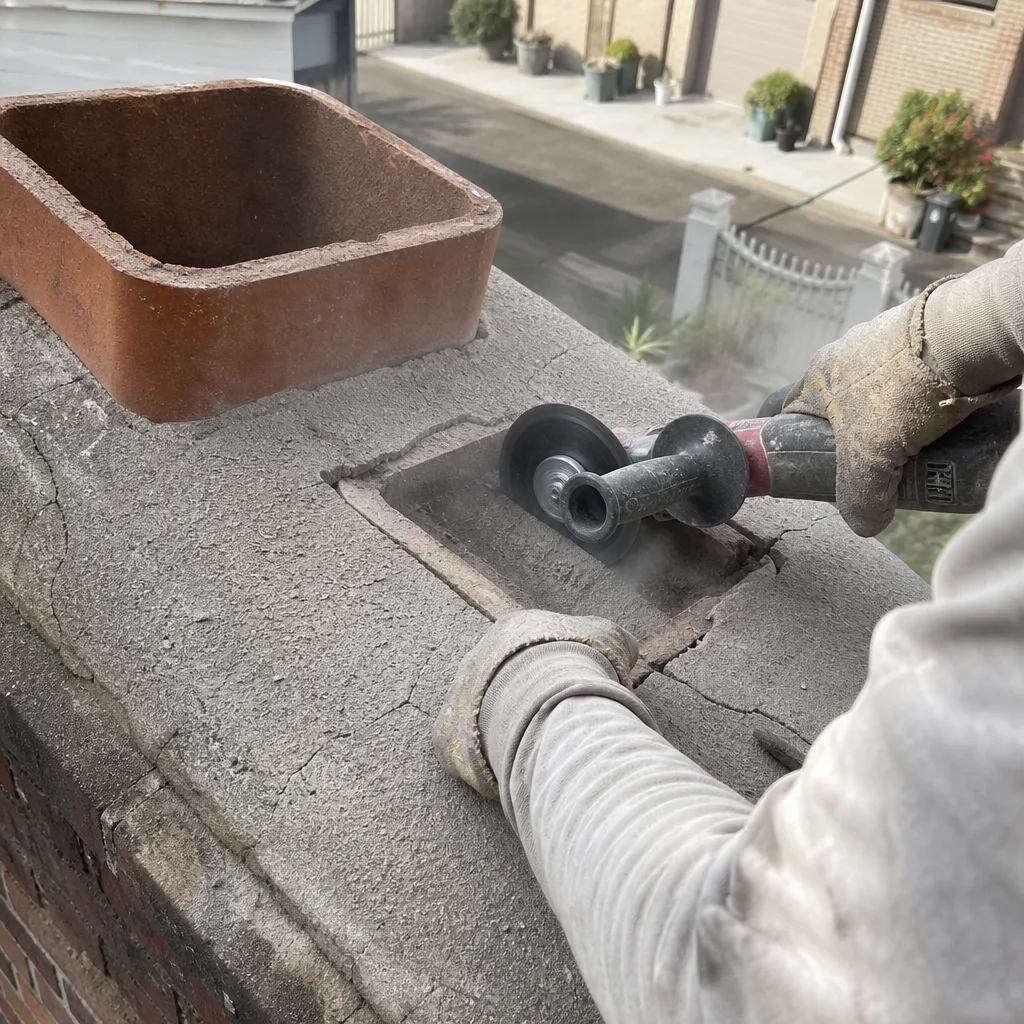
- Scheduling the only cleaning in November. By November, Jersey City chimney companies are booked out two to four weeks, and any repair work found during the inspection gets pushed into December. The September window exists specifically to avoid this.
- Assuming gas fireplaces do not need cleaning. Gas appliances produce acidic condensate that etches liners over time. The flue still needs an annual sweep and camera check, even if there is no soot.
- Ignoring the cap. A missing or damaged cap in Jersey City means birds, rain, and salt air access the flue year-round. Cap replacement is the cheapest insurance against the most expensive repair, a full reline.
- Skipping the camera scan. A visual sweep from the top or bottom cannot see the middle third of the flue where most liner damage occurs. If your sweep does not include a camera, you are paying for a partial inspection.
- Waiting until smoke rollout to call. Smoke rollout means the draft has already failed. By the time you see smoke in the living room, the flue has been compromised for weeks or months.
- Not asking for documented photos. A sweep that says “looks good” without a photo record is not evidence. Clause 4 of the Haven Standard mandates a documented photo record on every visit, and that standard has been our default since 2009.
- Painting or sealing brick without addressing the moisture source. Efflorescence on Jersey City brick is a water intrusion symptom. Sealing the surface traps the moisture inside and accelerates spalling.
When to Call a Professional
Call a chimney professional in Jersey City if you see smoke rollout during a fire, smell a persistent burning odor from the fireplace when it is not in use, notice water staining or efflorescence on the chimney chase or surrounding ceiling, hear birds inside the flue, or have not had the chimney camera-inspected in more than two years. Do not attempt to clean a heavily creosoted flue yourself; the risk of chimney fire or carbon monoxide exposure is too high. Do not attempt liner repairs or crown resealing from a ladder without proper roof safety equipment. Level Two Chimney Jersey City home offers free estimates in Jersey City, with a written price and documented photo record on every visit. Call (862) 272-3868 to schedule.
Frequently Asked Questions
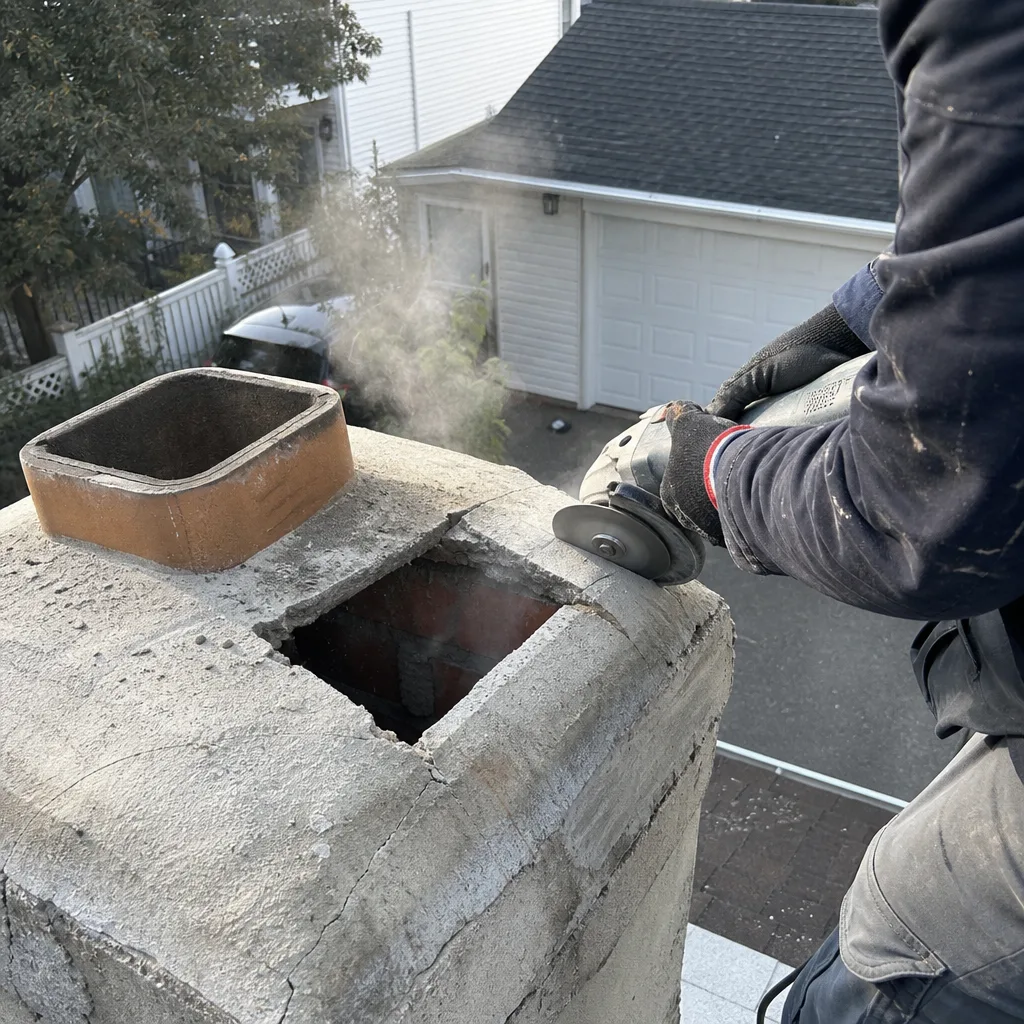
At least once per year, and for gas fireplaces in Jersey City, twice is ideal: once in April or May to remove acidic condensate, and once in September before burn season. Wood-burning fireplaces used more than three times per week during winter should be inspected mid-season as well. Call (862) 272-3868 for a written quote on a seasonal cleaning plan.
A standard chimney sweep in Jersey City runs $189 to $329, with a Level 2 camera inspection adding $149 to $275. Cap replacement ranges from $245 to $650 depending on flue size and roof access. Every job at Level Two Chimney Jersey City is quoted in writing before work starts, so you will always know the exact number before anyone arrives.
Yes. Gas fireplaces produce acidic condensate that sits on the flue liner and etches it over time, particularly during Jersey City’s humid summers. A gas flue should be cleaned annually and camera-inspected every year to catch early liner deterioration before it becomes a full reline. Call (862) 272-3868 to schedule a gas flue inspection.
You need a new liner only if the camera scan shows cracks, spalling, or pitting that compromises the flue’s integrity. At Level Two Chimney Jersey City, we never recommend a liner replacement without showing you the camera footage that justifies it, and we will give you a written price and written scope before any work proceeds. If another company has recommended a reline, bring us their written estimate for a free second opinion.
Skipping cleaning lets creosote accumulate in wood flues and acidic condensate build in gas flues. The result is increased chimney fire risk, reduced draft, higher carbon monoxide exposure risk, and liner deterioration that gets more expensive to fix the longer it goes unaddressed. In Jersey City’s salt air and humidity, the damage window is shorter than in inland markets. Call (862) 272-3868 for an estimate and get the flue checked before the next burn season.
Yes, if you live within about a mile of the Hudson River or Newark Bay. Airborne salt particles accelerate corrosion on stainless liners, caps, and flashings, and salt-laden moisture worsens freeze-thaw damage in masonry. Waterfront homes need annual camera inspections to catch early pitting before it becomes a full reline. We source replacement hardware from Olympia Chimney and Famco specifically for corrosion resistance in Jersey City’s waterfront neighborhoods.
The Bottom Line
Jersey City’s four seasons create four distinct chimney risk windows, and most annual cleaning schedules only address one of them. Spring is for removing acidic condensate from gas flues. Summer is for cap and crown inspection after humidity season peaks. September is for the full Level 2 camera scan before burn season. Winter is for watching the warning signs from the hearth. If you follow that calendar, with a documented photo record at each visit, your chimney never goes more than six months without evidence of its condition, and no seasonal damage mechanism gets a full year to operate unchecked. Call (862) 272-3868 to schedule your next seasonal service.
Written by Corrine Halstead, Owner at Level Two Chimney Jersey City, serving Jersey City since 2009.