
Last updated September 20, 2026
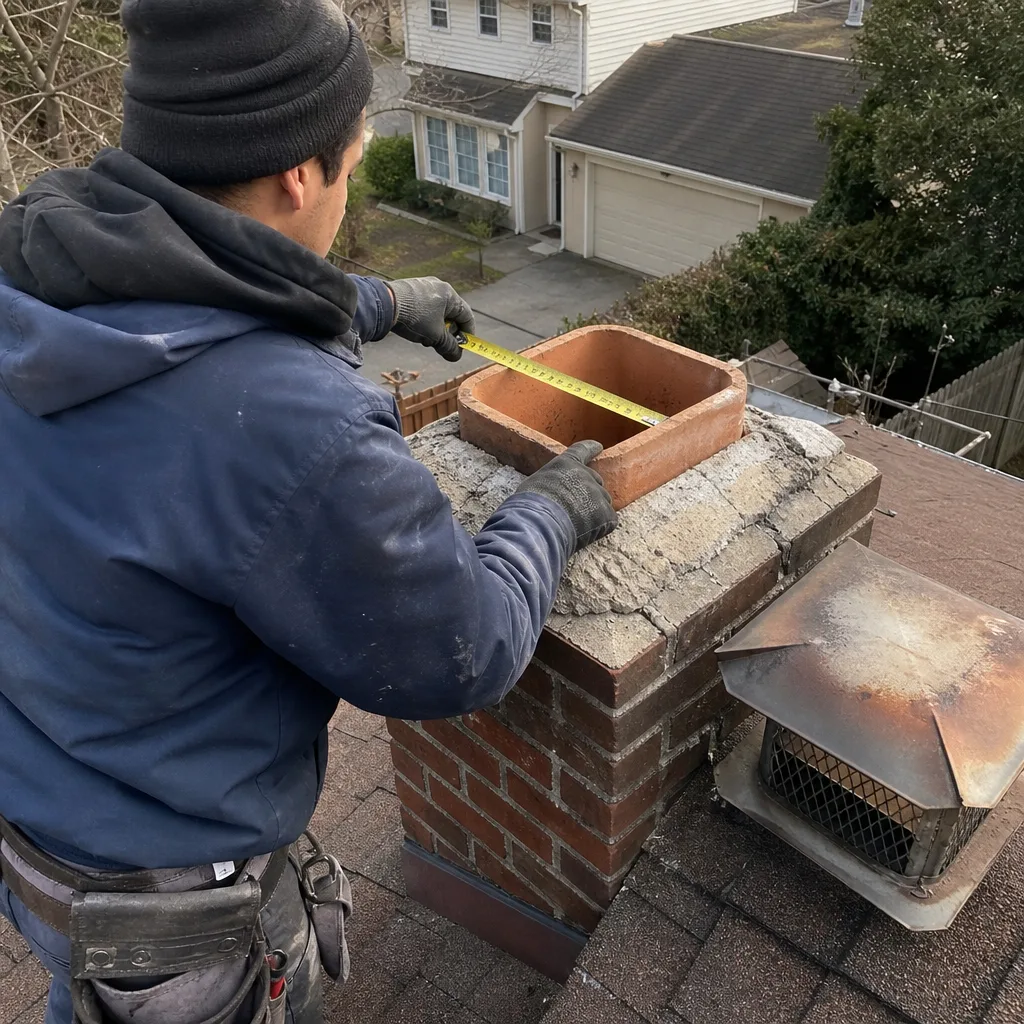
Level 1 sweep and inspection to the NFPA 211 annual standard - flue, crown, cap, and flashing checked and photographed
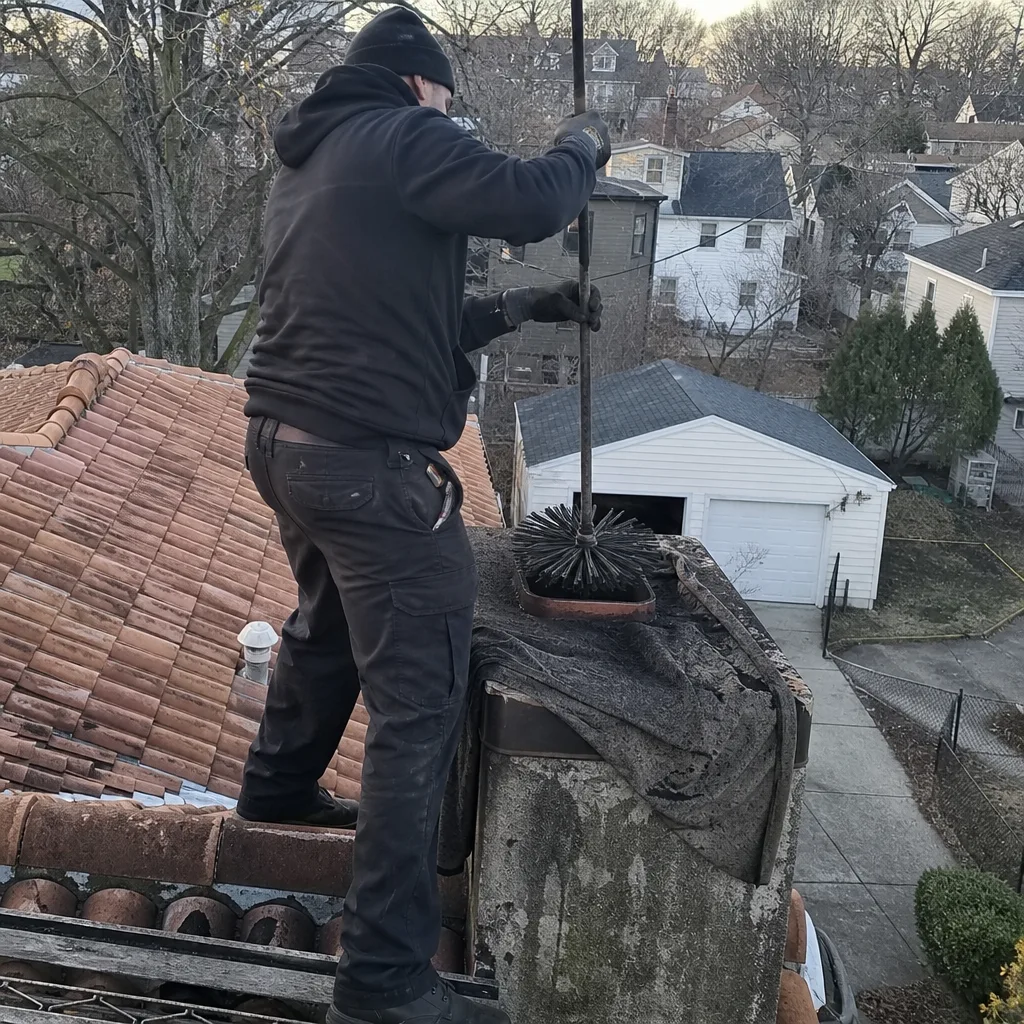
Chimney sweep logs do not sweep chimneys. They loosen some creosote - which then falls where a brush and vacuum still have to collect it.
 Before
 After
After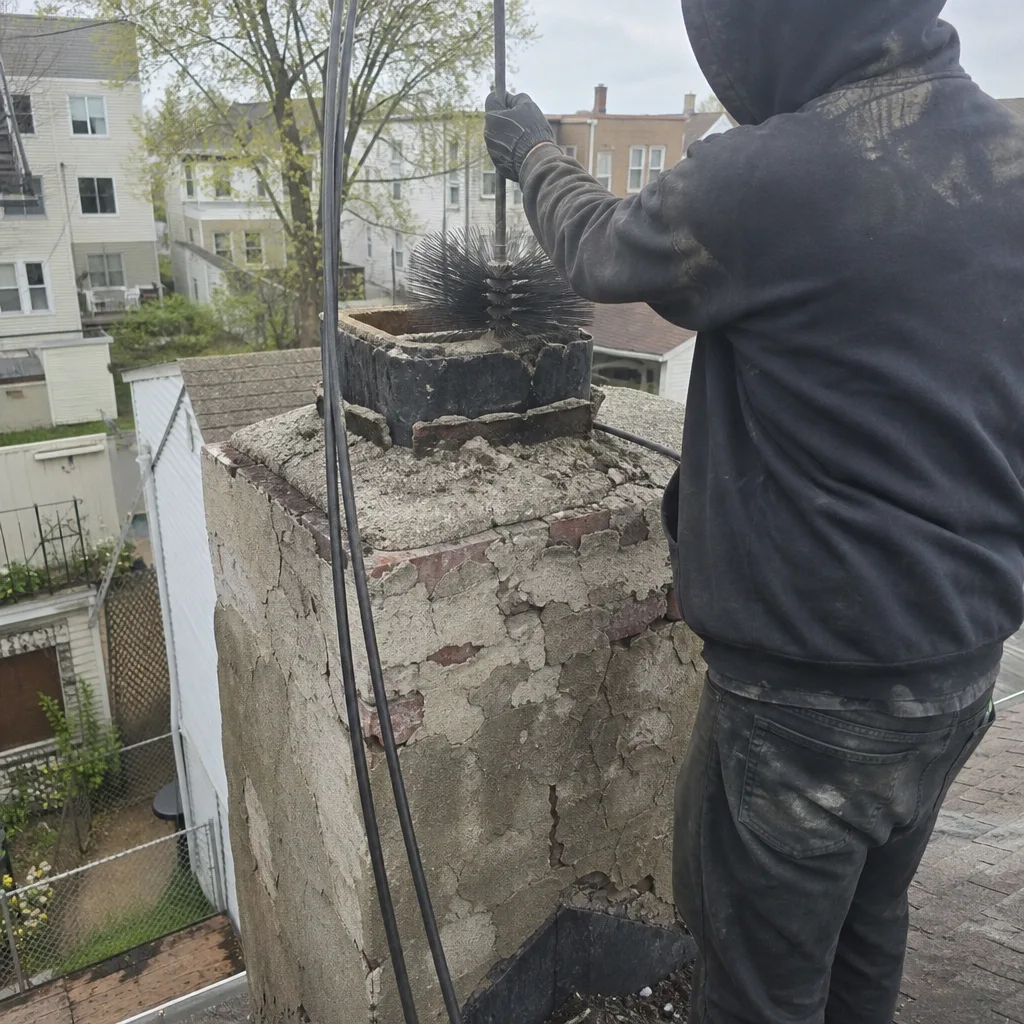 Before
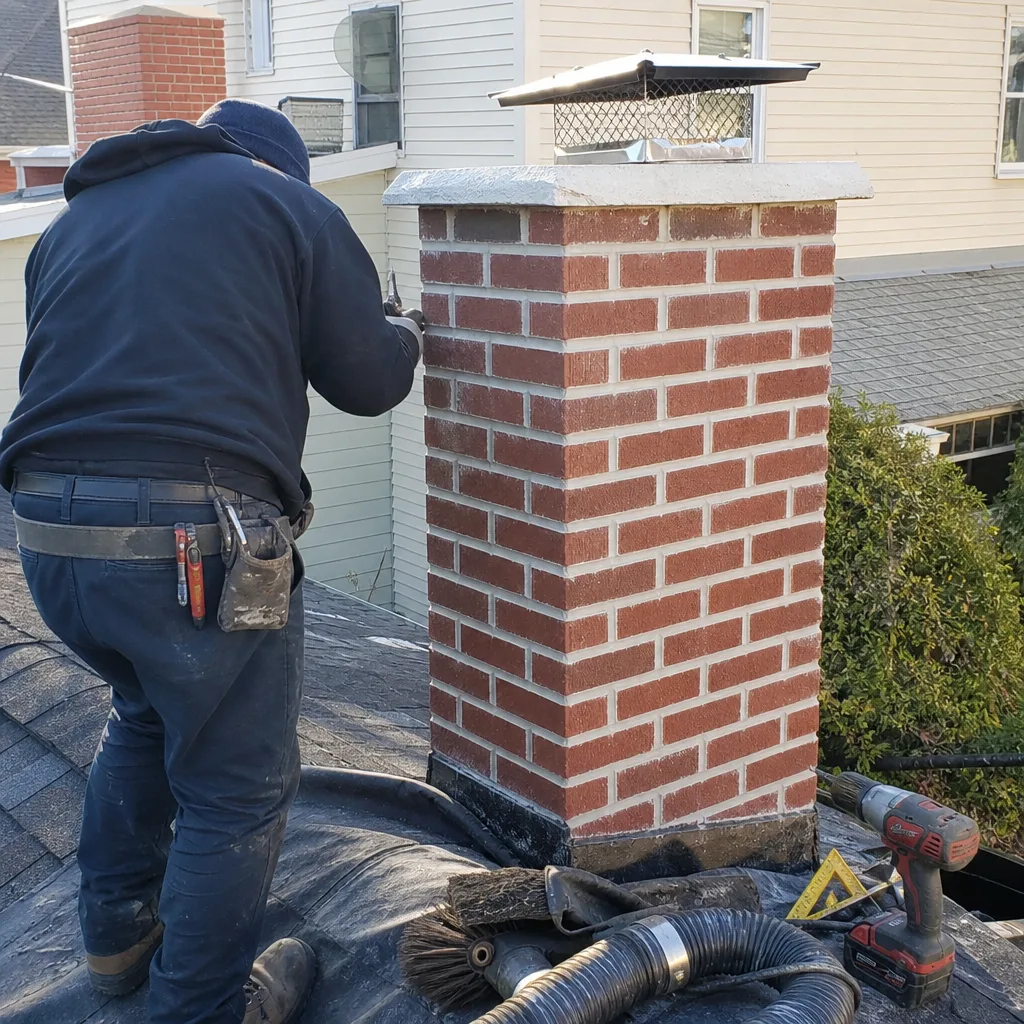 After
After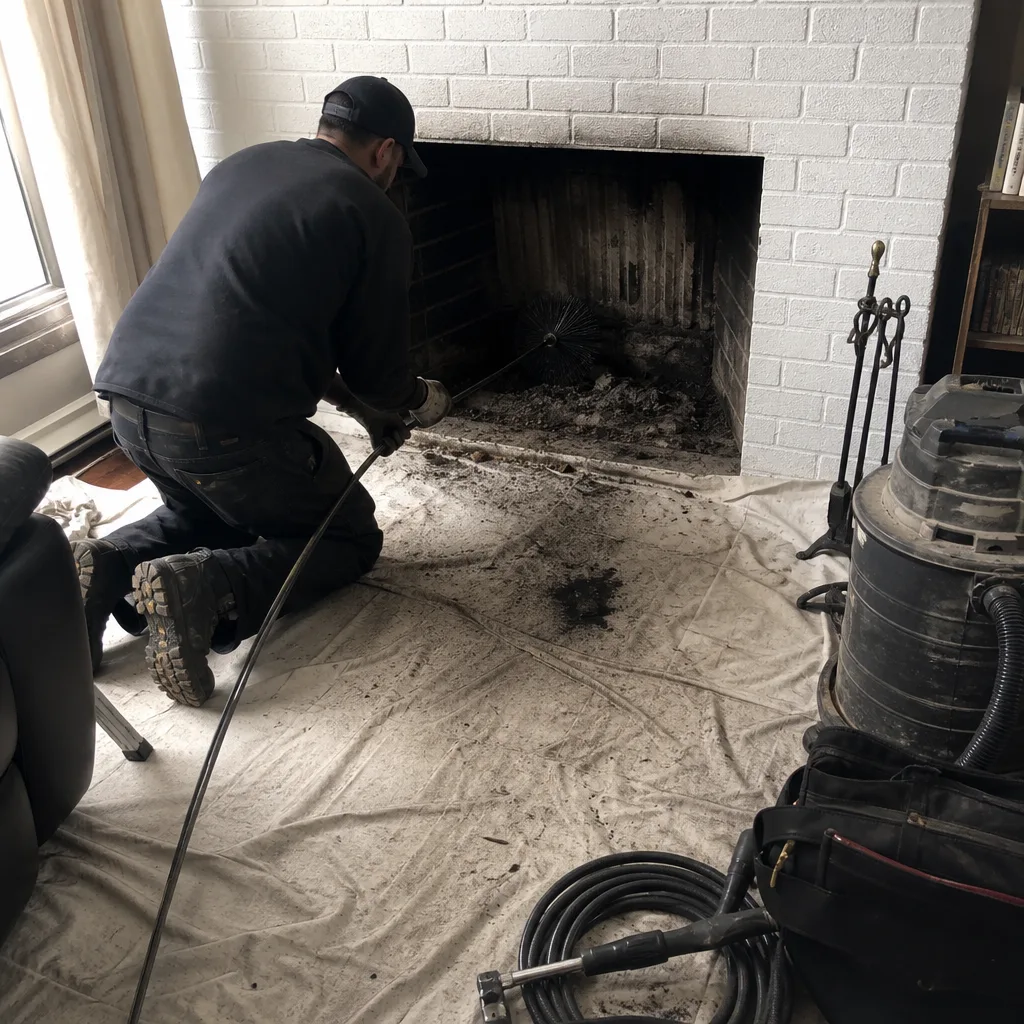 Before
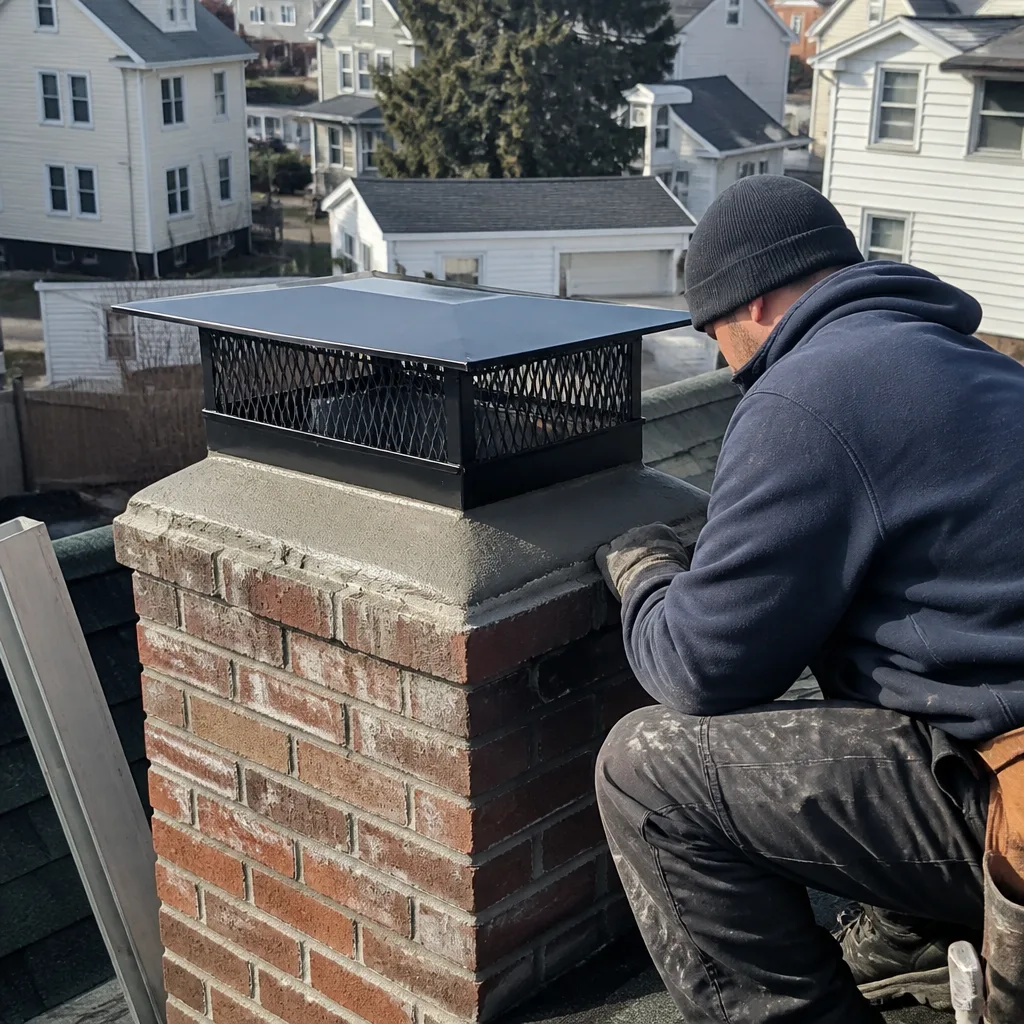 After
AfterChimney Cleaning & Sweep Maintenance Checklist for Jersey City Homeowners
The most dangerous chimney condition a Jersey City homeowner can have, Stage 2 glazed creosote, is invisible from the firebox opening and from the roof cap. Every DIY checklist that doesn’t say this is incomplete. This guide draws the line precisely between what you can verify with your own eyes and what requires a camera down the flue, so you stop substituting one for the other. We’ll walk through what to check monthly, what to check seasonally, what only a technician can assess, and how to keep records that actually hold up if you ever need to file an insurance claim. If you own a rowhouse in Jersey City, a condo with a shared flue, or a single-family home with a masonry chimney, this is written for you.
Quick Answer
A Chimney Cleaning & Sweep maintenance checklist for Jersey City homeowners should separate what you can verify yourself (damper movement, visible cap damage, smoke shelf debris, mortar spalling at the crown) from what requires a camera-scan inspection (flue liner cracks, creosote stage classification, smoke chamber integrity). Wood-burning fireplaces in Jersey City rowhouses should be swept after every cord of wood burned or at minimum annually, while gas fireplaces need an annual check focused on condensation and venting. The most effective maintenance routine pairs monthly visual checks with an annual NFPA 211 Level 2 camera inspection.
Table of Contents
- The Homeowner-Observable Checklist: What You Can Verify Without a Camera
- The Camera-Required Checklist: What You Cannot Assess from the Firebox or Roof
- Jersey City Seasonal Triggers: Nor’easters, Humidity, and the Rowhouse Factor
- Sweep Cadence by Fuel Type: Wood, Gas, and Decorative
- How to Log Maintenance History for Insurance Underwriters
- What a Proper Sweep and Inspection Actually Looks Like
- Common Mistakes to Avoid
- When to Call a Professional
 Before
 After
AfterThe Homeowner-Observable Checklist: What You Can Verify Without a Camera
Before we get into what you need a professional for, let’s be clear about what you can genuinely assess yourself. The dividing line is simple: if you can see it, touch it safely from the ground or hearth, or hear it move, it’s on your checklist. If it’s more than an arm’s length up the flue, it’s not.
Monthly Visual Checks (5 minutes)
- Damper movement. Open and close the damper fully. It should move freely without grinding, and it should seat flush when closed. A damper that sticks, warps, or won’t fully seal is letting conditioned air escape up the flue year-round, not just when you burn. In a Jersey City rowhouse where your neighbor’s wall is your wall, a failed damper also lets their cooking smells and sometimes their cigarette smoke into your living room.
- Smoke shelf debris. Shine a flashlight up from the firebox and look at the shelf just above the damper. You’re checking for accumulated soot, crumbling mortar bits, or worse: bird nesting material. A few flakes of soot is normal. A pile of debris is not. This shelf is where creosote and debris collect before falling into the firebox, and in Jersey City’s older housing stock, we regularly find decades of buildup that previous owners never addressed.
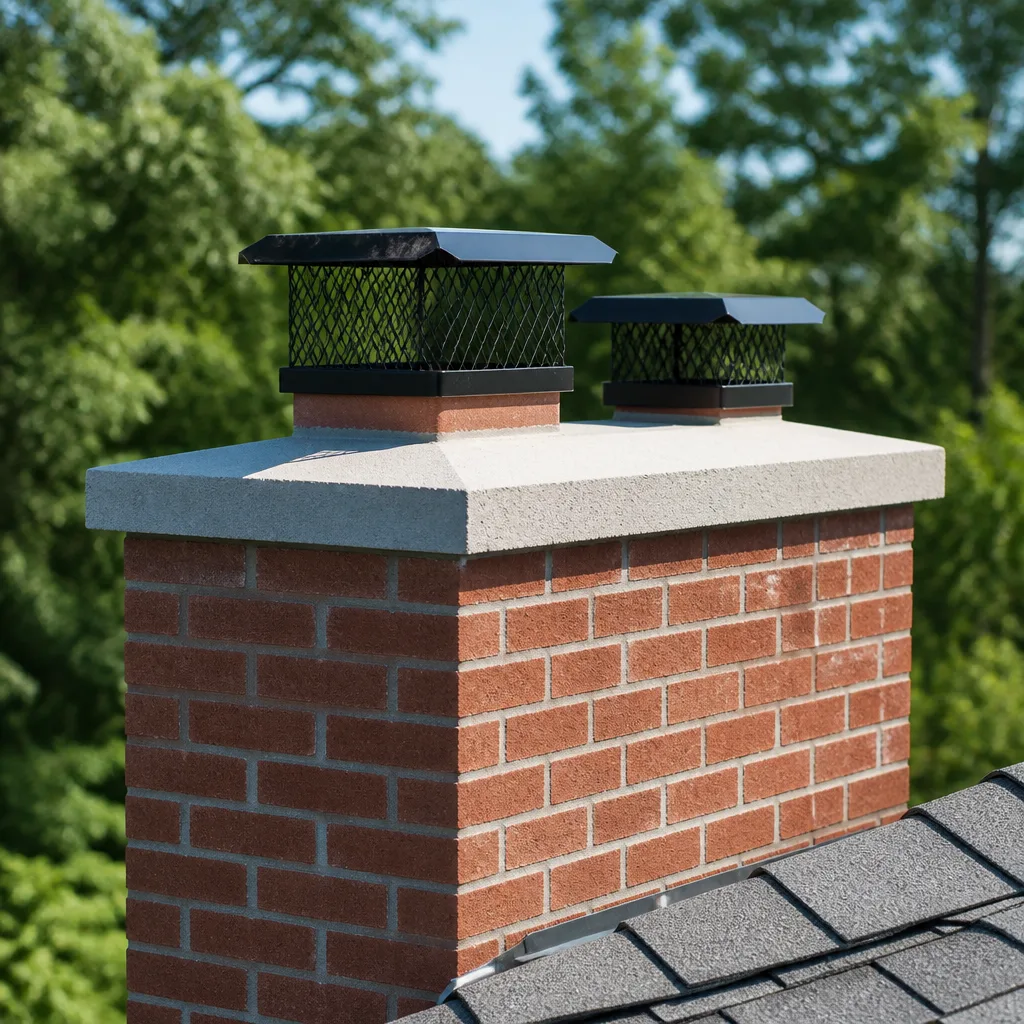
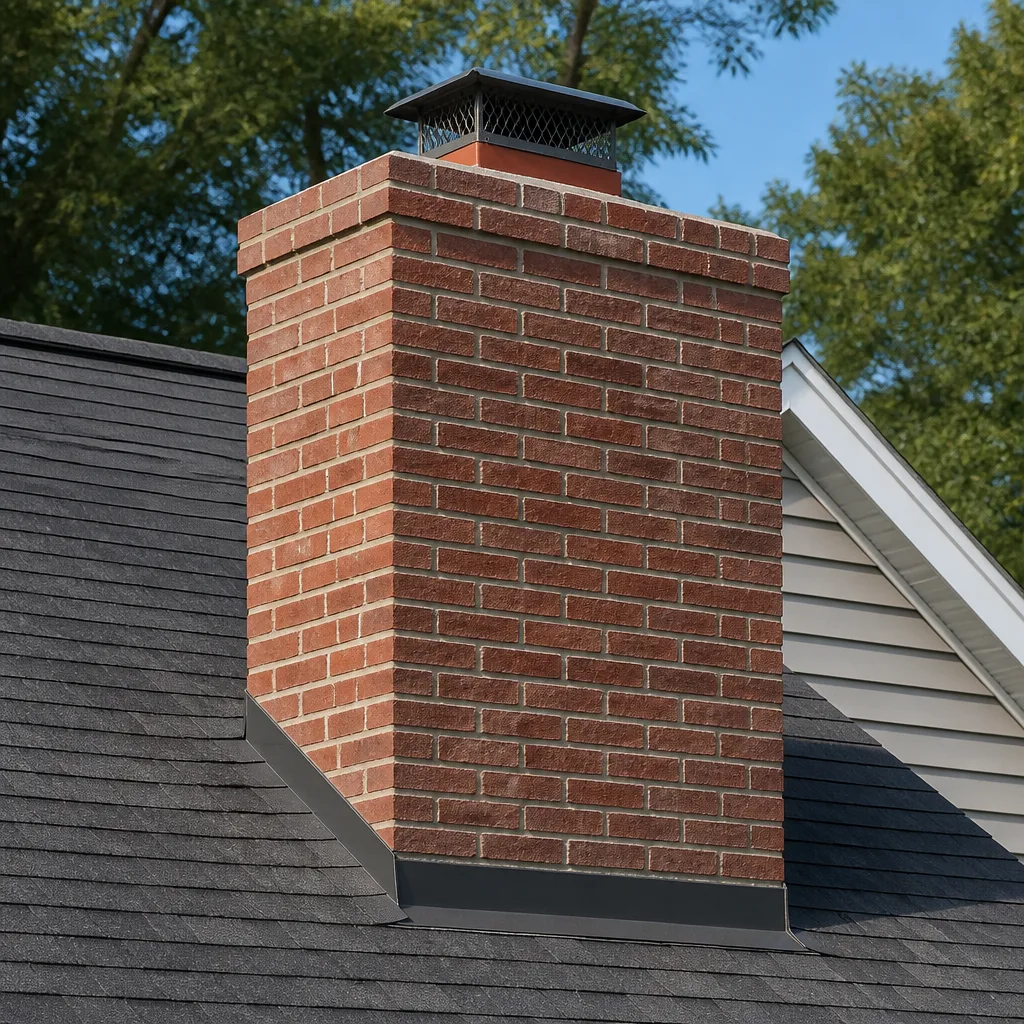
- Cap condition from the ground. Walk outside and look up. Your chimney cap should be centered, not tilted. If you have a standard cap with a mesh screen, check that the screen isn’t clogged with leaves or snow. Jersey City’s nor’easter season between November and March puts real strain on caps, and a missing or damaged cap is an open invitation for rain, squirrels, and starlings. If you can’t see the cap clearly from street level, that’s normal for a three-story rowhouse; this check becomes a biannual professional one.
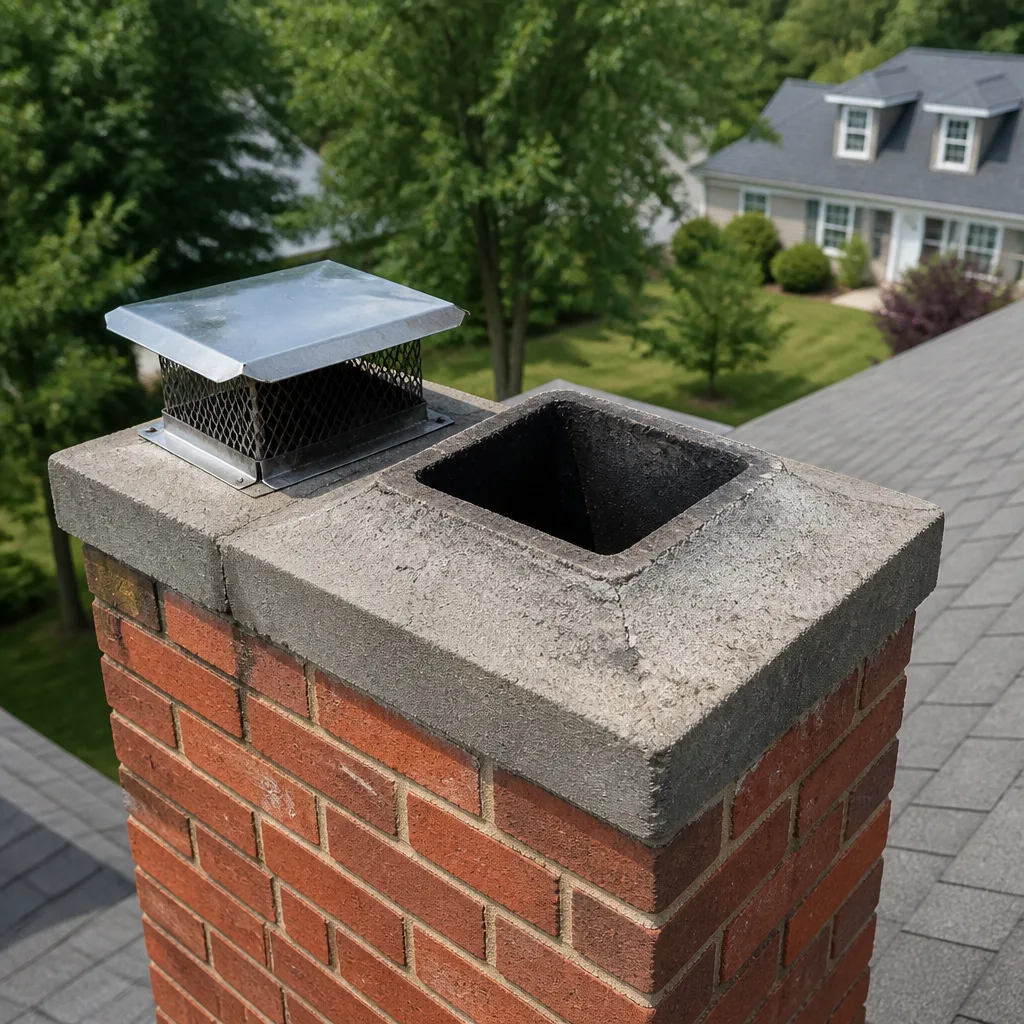
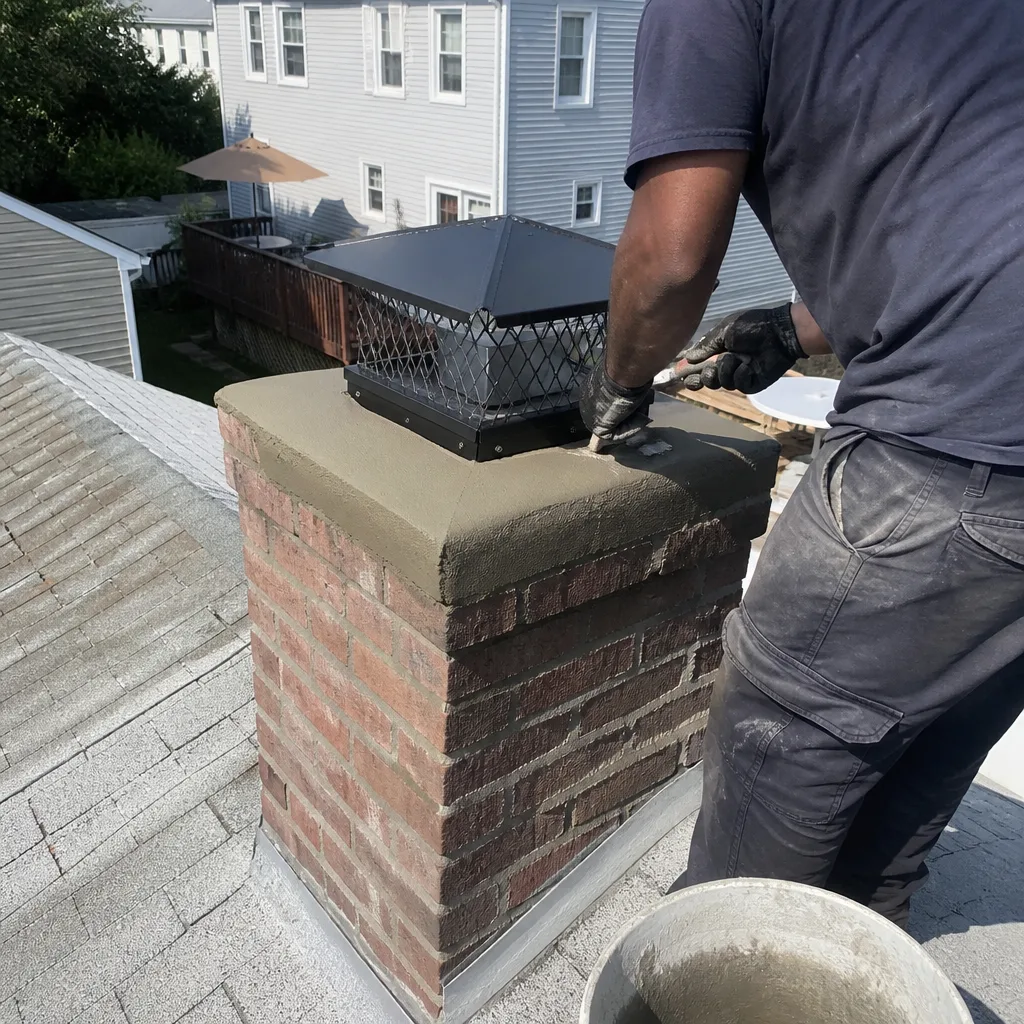
- Visible mortar spalling at the crown. The crown is the concrete slab at the very top of the chimney. From the ground, you’re looking for chunks of concrete missing from the edges, visible cracks, or a white powdery residue called efflorescence. Efflorescence means water is moving through the masonry. Any of these signs means water is getting into the chimney structure, and in Jersey City’s freeze-thaw cycles, small cracks become structural problems within two winters.
What These Checks Actually Tell You
None of these homeowner checks assess the interior of the flue. Not one. A clean-looking firebox tells you nothing about glazed creosote four feet up the liner. That’s the gap this guide exists to close. Your monthly checks catch mechanical failures and obvious exterior damage early. They do not replace the camera inspection, and anyone who tells you otherwise is selling you a false sense of security.
The Camera-Required Checklist: What You Cannot Assess from the Firebox or Roof
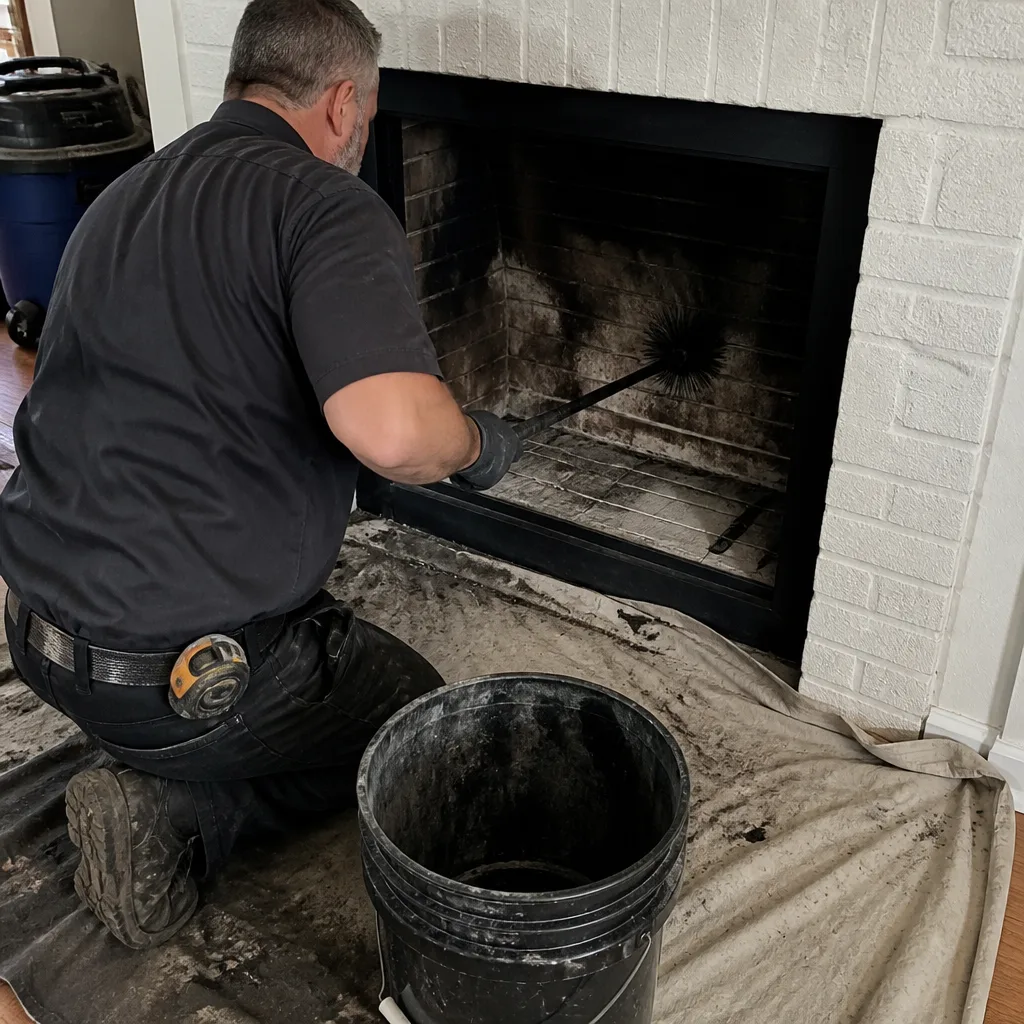
Here is the uncomfortable truth about chimney maintenance: the conditions most likely to cause a chimney fire or carbon monoxide leak are precisely the ones you cannot see without specialized equipment. This is not a sales pitch. It’s physics. The flue is a vertical shaft, often 25 to 40 feet tall in Jersey City rowhouses, and most of it is inaccessible from either end without a camera.
Flue Liner Cracks and Gaps
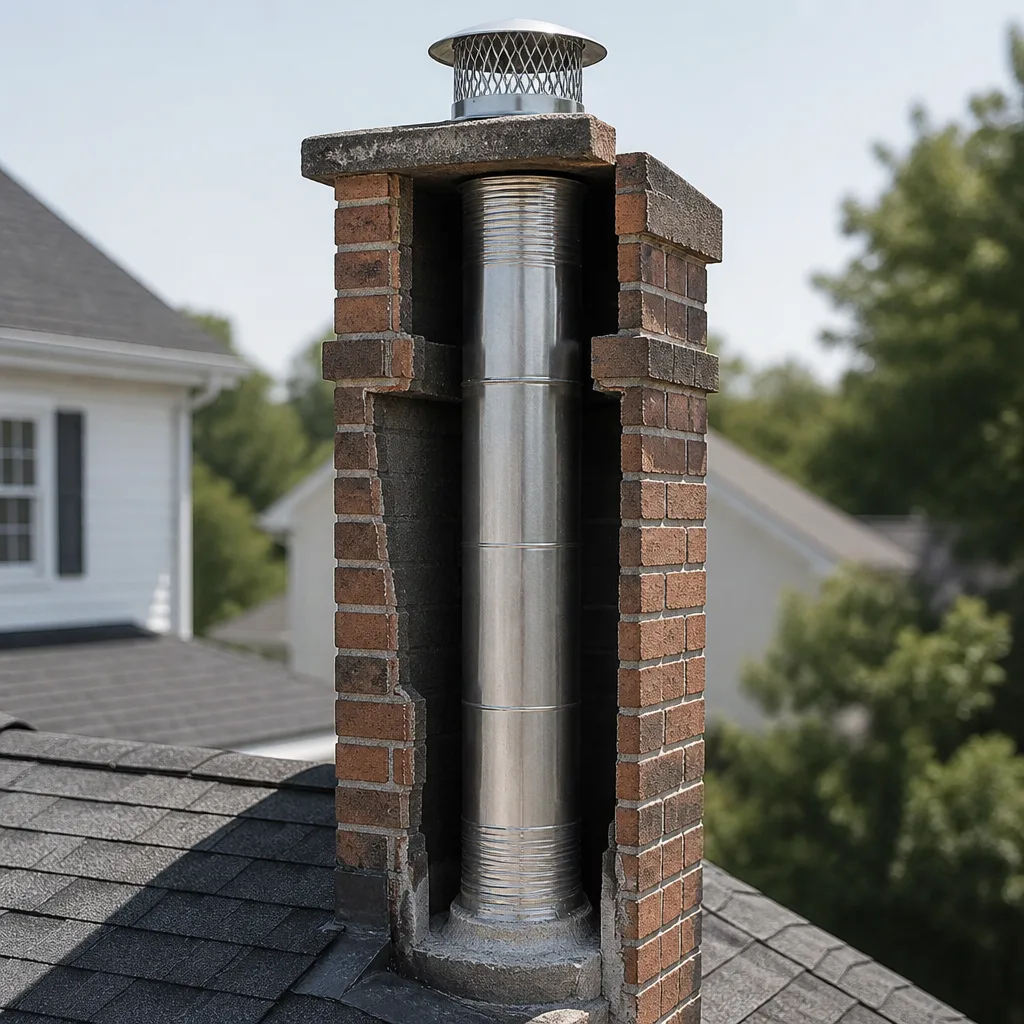
Clay tile liners crack from thermal stress, settling, and moisture. A cracked flue liner allows heat and combustion gases to reach the surrounding masonry and, in attached housing, shared walls. The only reliable way to identify liner cracks is with a camera scan. We’ve inspected chimneys in the Heights where the firebox looked pristine and the liner was separated in three places, actively leaking carbon monoxide into a wall cavity. NFPA 211 Level 2 is the standard that requires this camera inspection, and it’s the standard every chimney professional in Jersey City should be working to. Not every company does. Ask before you book.
Creosote Stage Classification
Creosote forms in three stages. Stage 1 is a fine, flaky soot that brushes away easily. Stage 2 is glazed, hardened, and requires rotary tools or chemical treatment to remove. Stage 3 is a thick, tar-like glaze that can only be removed with aggressive mechanical cleaning and sometimes liner replacement. You cannot see which stage you have by looking up from the firebox. A chimney that looks fine from the hearth can have Stage 2 glazed creosote lining the upper third of the flue. The stage classification determines both the cleaning method and the price, which is why a written quote should tell you exactly what was found and what it costs to address it.
Smoke Chamber Integrity
The smoke chamber is the angled section between the firebox and the flue. It’s the most common place for masonry gaps, missing mortar, and heat transfer to adjacent framing. In Jersey City’s older attached homes, the smoke chamber is often original to the house, and mortar joints fail over decades of thermal cycles. A camera inspection is the only way to assess smoke chamber integrity without demolition. When we document smoke chamber condition on a camera report, the homeowner sees exactly what we see, frame by frame.
Jersey City Seasonal Triggers: Nor’easters, Humidity, and the Rowhouse Factor
Jersey City’s climate and building stock create maintenance triggers that generic chimney checklists miss entirely. If you bought a rowhouse in downtown Jersey City, Journal Square, Bergen-Lafayette, or the Heights between 2015 and 2025, your chimney behaves differently than a freestanding suburban fireplace in Bergen County.
Post-Nor’easter Cap Checks
Nor’easters hit Jersey City with driving rain, and they hit from the northeast, which is the exposed side of most rowhouse chimneys. After every major nor’easter, check from the ground for a tilted or missing cap. The wind loads on a three-story exposed chimney during a nor’easter exceed what most caps are rated for, and we replace more caps in March and April than any other time of year. If your cap is gone, water is entering the flue, and Jersey City’s freeze-thaw cycles between December and March expand that water inside masonry joints, accelerating spalling.
Post-Summer Humidity and Gas Fireplace Condensation
Gas fireplaces produce water vapor as a primary combustion byproduct. In a humid Jersey City summer, condensation builds inside gas flues, especially in attached rowhouses where the chimney is partially interior and partially exterior. That condensation mixes with the sulfur compounds in gas to form a mild acidic solution that eats at metal liners and mortar joints. An annual check of the gas fireplace venting, including the termination cap and any exposed liner sections, should happen before you fire it up in October. We’ve seen gas liners in Jersey City condos and rowhouses fail within eight years when the venting wasn’t checked annually.
The Rowhouse Attached-Chimney Factor
Attached rowhouses in Jersey City share party walls, and most have chimneys that run through those shared structures. A chimney fire in one unit can travel through gaps in the party wall into the adjacent home. This is why the cadence for attached housing is stricter than for detached homes: wood-burning rowhouse fireplaces should be swept after every cord burned, not merely annually. If you bought a rowhouse with a fireplace in the last few years and haven’t had the flue camera-scanned, make it your next call. The previous owner’s maintenance habits, or lack of them, are now your problem.
Sweep Cadence by Fuel Type: Wood, Gas, and Decorative
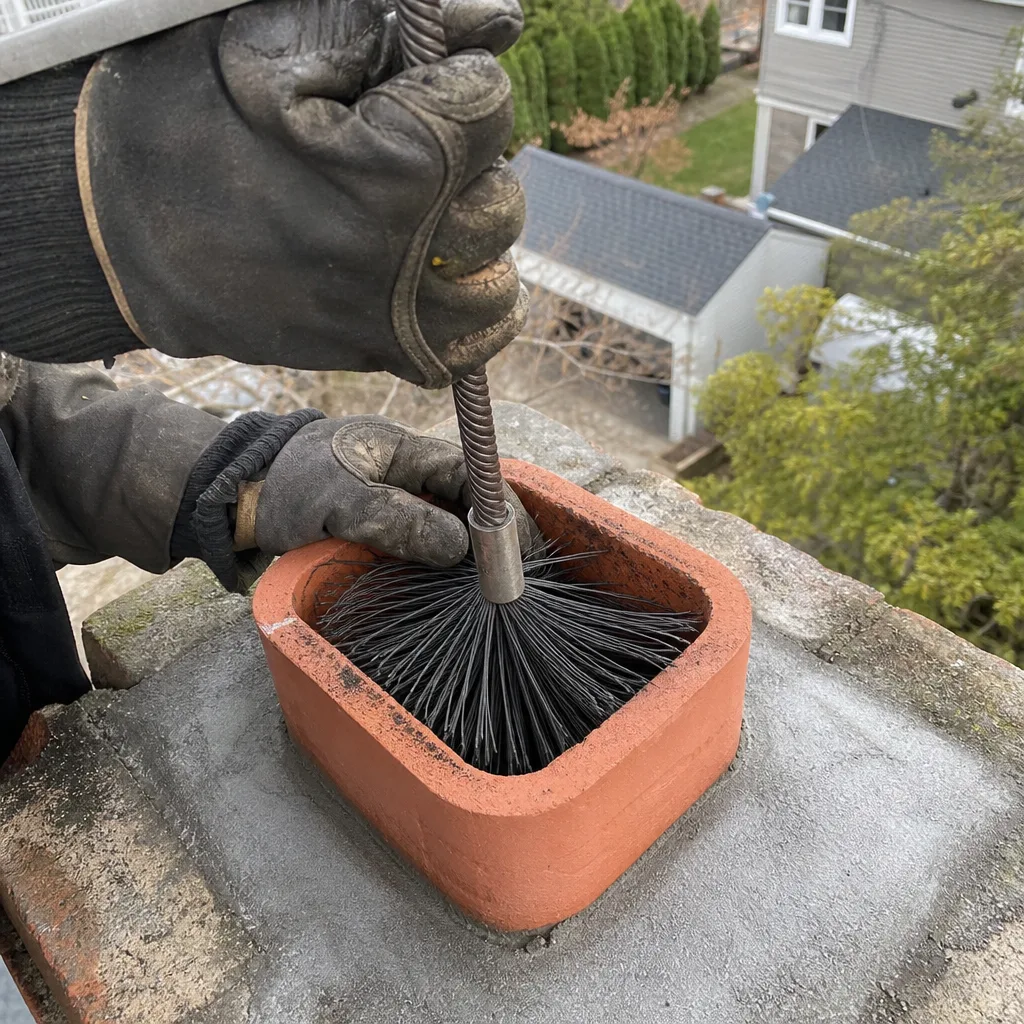
The right cadence for chimney cleaning in Jersey City depends on your fuel type and how you actually use the fireplace. For full details, see The Complete Guide to Chimney Cleaning in Jersey City; here is the specific calendar for each scenario, based on what we’ve seen across more than 38,000 inspections and cleanings since 2009.
Wood-Burning Fireplace (Active Use)
If you burn wood regularly between November and March, get the chimney swept after every cord burned, or at minimum once per year, and always before the first fire of the season. In a Jersey City rowhouse, we recommend the stricter standard: sweep in early fall before heavy use, and again mid-season if you burn more than a cord. The wood species matters too. Soft woods like pine, common in cheap bundles at Jersey City grocery stores and gas stations, produce significantly more creosote than seasoned oak or maple. Burn seasoned hardwood only, and if you’re buying wood from an unverified source, assume it’s green until you see it check and crack at the ends.
Wood-Burning Fireplace (Occasional Use)
Three to five fires per season still require an annual sweep. Creosote accumulation is a function of burn temperature and wood moisture, not frequency alone. A single evening of smoldering, low-temperature fires with green wood can deposit more creosote than a full season of hot fires with seasoned hardwood. The age of your flue liner matters too. Older unlined chimneys in Jersey City’s pre-1940 housing stock accumulate creosote faster because the rough masonry surface gives deposits more to grip.
Gas Fireplace (Vented or Direct-Vent)
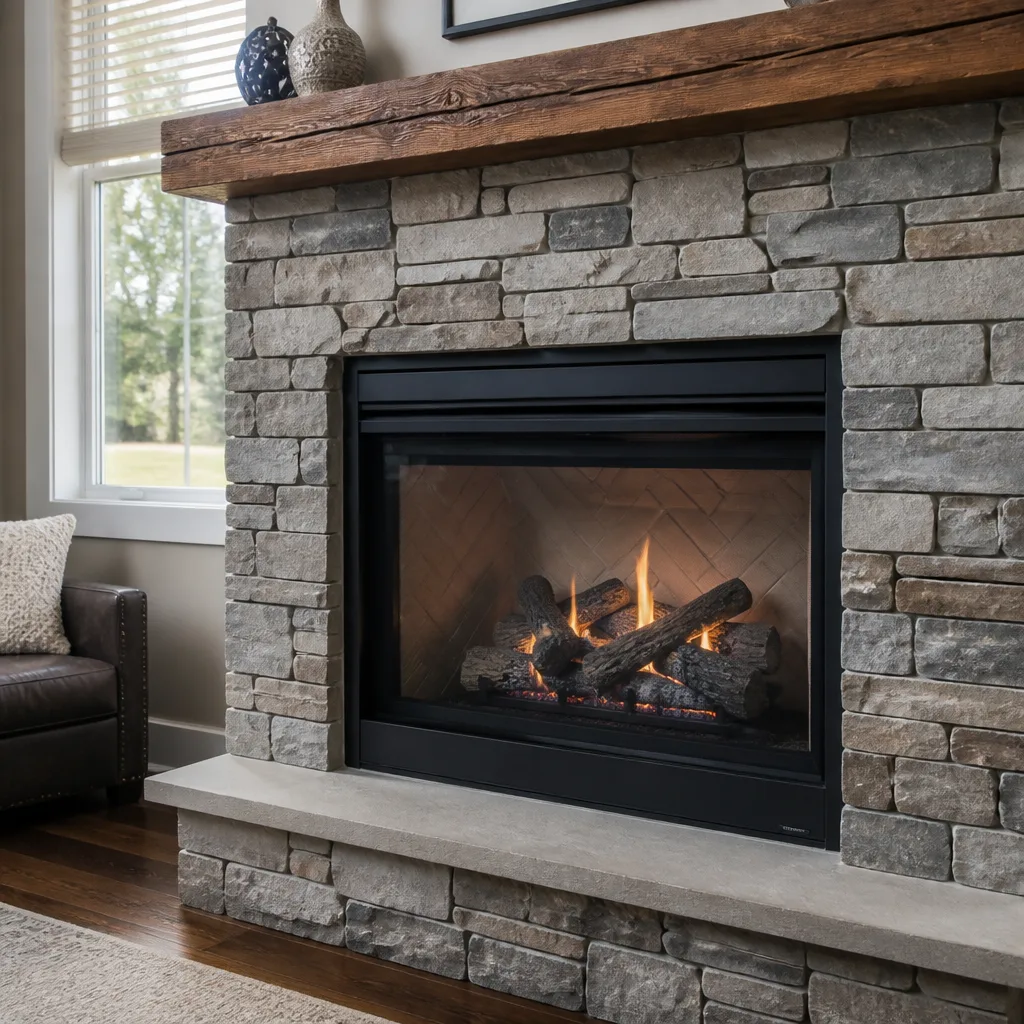
Gas fireplaces do not produce creosote, but they absolutely require annual maintenance. The priority is venting, not sweeping. A gas fireplace with a blocked or deteriorating vent can release carbon monoxide into the living space, and because gas burns clean, there’s no visible smoke to warn you. Annual service should include a camera check of the vent run, verification of the termination cap, and a check for condensation-related corrosion in the liner. Jersey City’s humid summers make this check especially important before the first fall start-up.
Decorative Fireplace (No Fuel, Never Burned)
Even a fireplace that’s purely decorative needs a baseline inspection, especially if you bought the home recently. The flue may be a candidate for full sealing if it’s never used, or it may be actively venting your heated air through a failed damper. In a Jersey City rowhouse, a decorative fireplace with an unsealed chimney is a constant heat leak and a rodent entry point. At minimum, have it inspected once, get a written report, and decide from there whether sealing or annual checking is the right move.
How to Log Maintenance History for Insurance Underwriters
Here’s a scenario we see regularly in Jersey City: a homeowner files a claim for water damage tied to a failed chimney crown, and the insurer asks for maintenance records. The homeowner has none, or they have a stack of cash receipts from a company that went out of business. The claim gets denied or reduced. This is avoidable.
What an Insurance Underwriter Accepts
Insurers want documentation that is dated, specific, and tied to a verifiable company. A log that says “swept the chimney” with no date, no company name, and no detail on what was found is worth almost nothing. A log that includes the date of service, the name and license information of the company, a written scope of work, and photographic evidence of before and after conditions is what actually holds up.
For this reason, the Level Two Chimney Jersey City home documentation practice has always included a written price before work starts and a documented photo record when the job is done, both under the Haven Standard. Clause 4 of the Haven Standard requires a photo record on every job, and we’ve maintained that archive continuously since 2009. When your insurance company asks what was done and when, you have a documented answer, not a memory.
The Log Format That Works
- Create a simple document or spreadsheet. Columns: date, company name, technician name, service performed, findings, recommended follow-up, photos attached (yes/no).
- Keep every written estimate and invoice. A written scope and price is a dated record of what was professionally recommended, even if you didn’t proceed with the work. Insurers care about documented recommendations as much as completed repairs.
- Attach photo evidence. If your sweep includes a camera-scan photo record, save those images. They document baseline condition at a point in time, which is crucial if you need to prove deterioration later.
- Note any recommended follow-up deadlines. If a technician recommends crown repair within 12 months, log it. If you wait 36 months and the crown fails, the insurer will ask why.
- Keep the log with your home records. Not in a drawer that gets thrown out during a renovation. Digital is better, and a backup copy is best.
What a Proper Sweep and Inspection Actually Looks Like
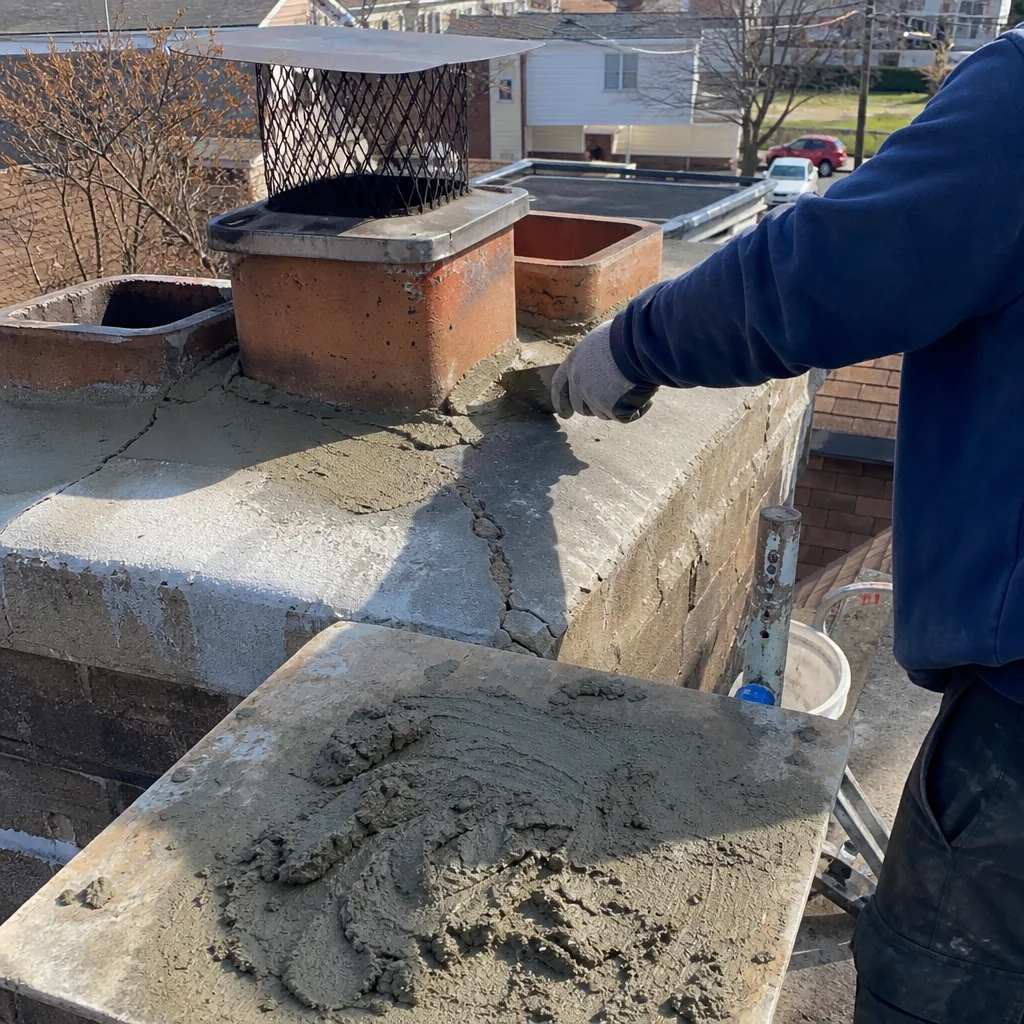
If you’ve never had a chimney cleaned in Jersey City, or if your last experience was a flashlight look and a handshake, here’s what a proper service actually includes. Knowing this before you book keeps you from paying for an incomplete job, and our more guides & resources can help you stay informed.
A proper sweep includes, at minimum:
- A pre-inspection with a camera. Before any brush touches the flue, the interior should be scanned and documented. This establishes the baseline condition, identifies the creosote stage, and catches liner damage that a blind sweep could worsen.
- Written scope and price before work begins. Not after. A company that can’t tell you what it will cost before starting is a company that doesn’t know what it will find, which means it hasn’t looked yet. Our Chimney Cleaning & Sweep in Jersey City service always includes a written price before any work starts. Never a verbal estimate, never a “call for a quote.”
- Appropriate cleaning method for the creosote stage. Stage 1 creosote brushes away with standard equipment. Stage 2 requires rotary tools or chemical treatment. Stage 3 may require more aggressive mechanical cleaning. The method matters, and the written scope should specify it.
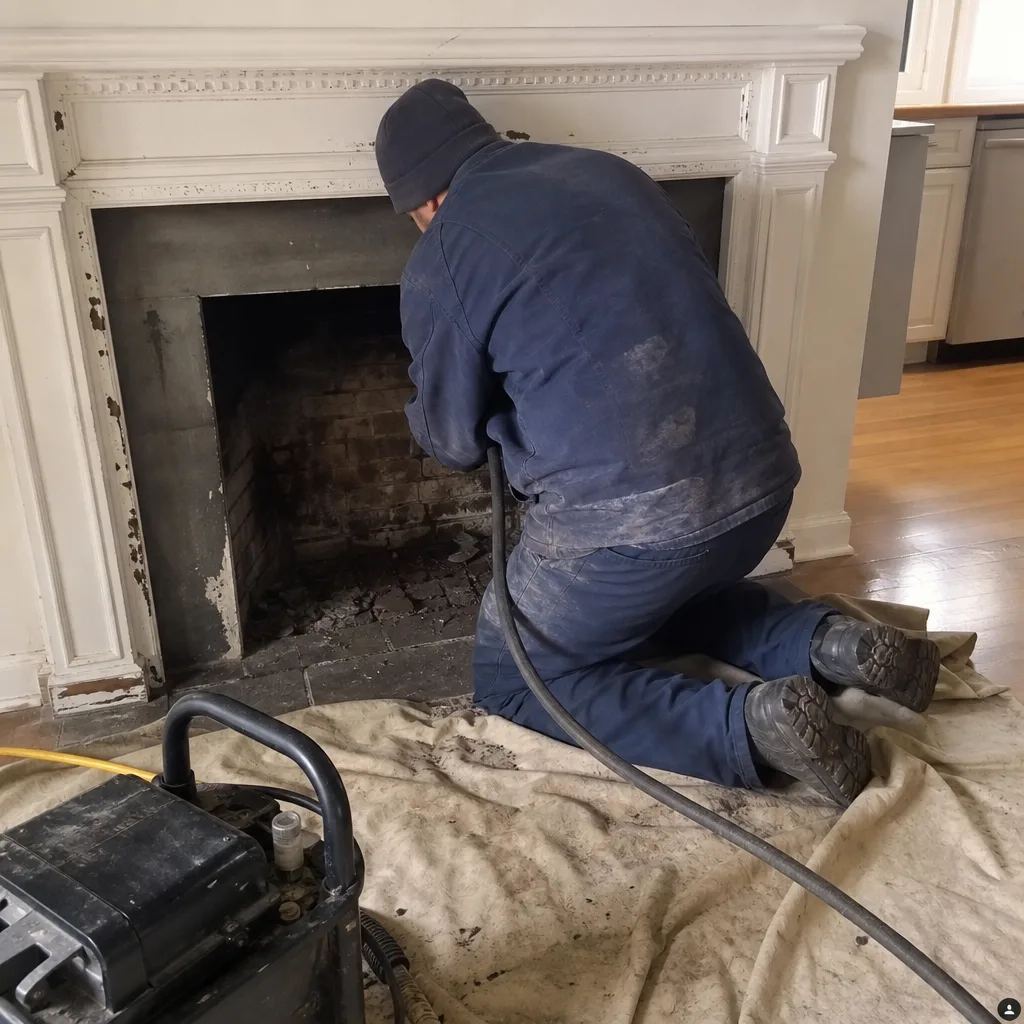
- Post-inspection with a camera and photo record. After the sweep, the flue should be scanned again to verify the cleaning and document the final condition. You should walk away with photos, not just the technician’s word.
- Written warranty on the completed work. If the company won’t put its work in writing, the work doesn’t count.
Materials and parts, named
When a chimney needs parts, the specific components matter. We source materials from manufacturers like Olympia Chimney and Gelco, procured through Haven’s buying network specifically to keep customer prices honest. Generic caps, generic liners, and generic crowns fail faster, and you won’t know the difference until it’s too late. Ask what brand of cap or liner is being installed. A company that names its materials is a company that stands behind them.
Common Mistakes to Avoid
- Substituting a visual check for a camera inspection. The single most common mistake we see in Jersey City. Homeowners look up the firebox, see some soot, assume it’s fine, and skip the professional inspection. Stage 2 glazed creosote is invisible from that angle. The visual check is a supplement, never a substitute.
- Burning green or soft wood from unverified sources. Cheap bundles sold at gas stations and corner stores around Jersey City are frequently pine or spruce, sometimes still green. One season of burning this produces more creosote than five seasons of seasoned hardwood. Buy from a reputable firewood supplier and verify the wood is seasoned.
- Ignoring the damper position. A damper left open when the fireplace is not in use vents heated air out of the house 24 hours a day, every day. In a Jersey City winter, that’s real money on your gas or electric bill. And a damper that won’t seal completely is the same problem in slow motion.
- Deferring crown repair because it “doesn’t look that bad.” Crown cracks and spalling never self-heal. In Jersey City’s freeze-thaw climate, a small crack becomes a structural problem within two winters. The cost of crown repair increases the longer you wait. Chimney Repair in Jersey City is always cheaper when it’s addressed at the first sign of water infiltration.
- Hiring based on the lowest verbal quote. A quote given over the phone without an inspection is not a quote; it’s a guess. The chimney that costs more to clean usually has more creosote or a damaged liner, and the company that inspects before quoting will find it. The company that quotes sight unseen will either do less work than needed or hit you with a surprise upcharge mid-job.
- Assuming a gas fireplace needs no maintenance. Carbon monoxide from a blocked gas vent is odorless and invisible. Annual venting checks on gas fireplaces in Jersey City condos and rowhouses are not optional. The risk is real, and the check is inexpensive relative to the alternative.
- Not keeping written records. Your maintenance log is your insurance claim’s best friend. Without dates, documentation, and photos, an insurer has the discretion to deny a claim. With them, the claim is straightforward. Keep the paper.
When to Call a Professional
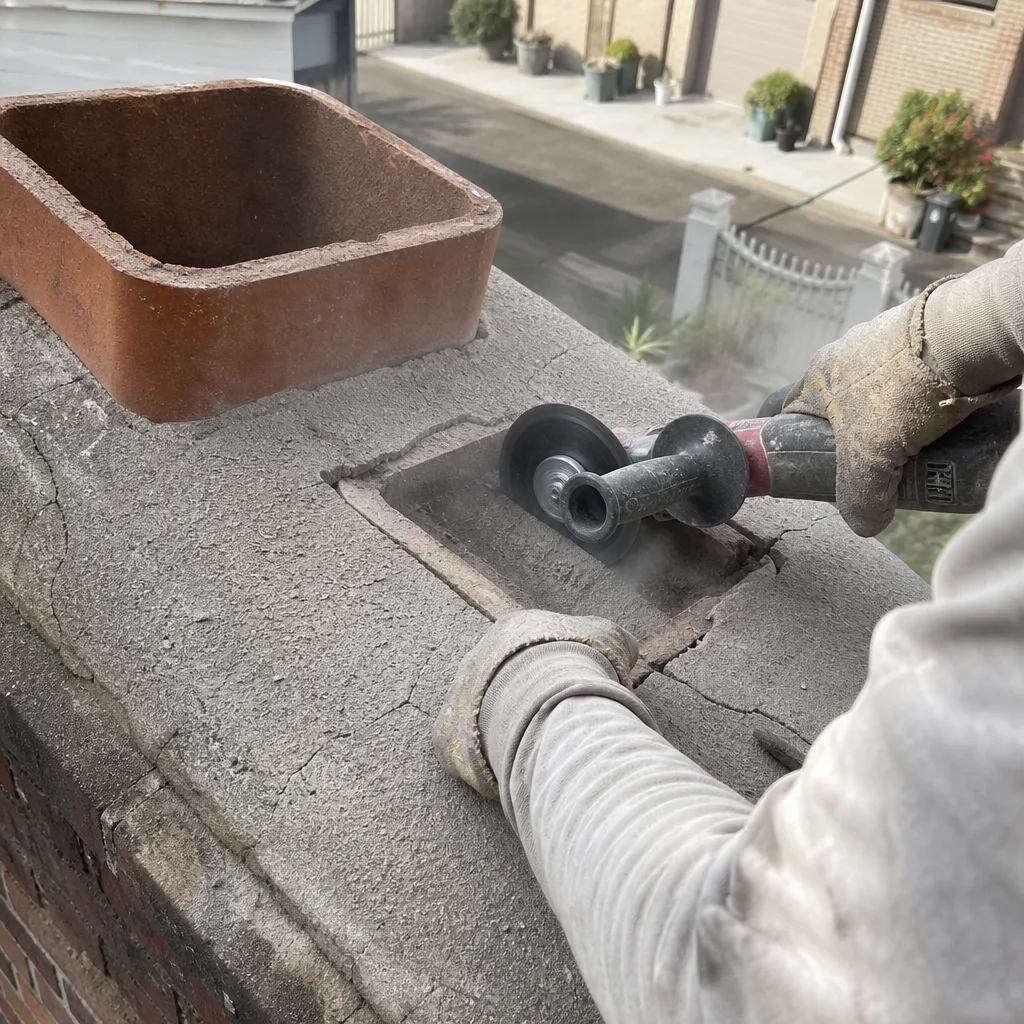
If you see any of the following, stop using the fireplace and call a professional immediately: visible smoke backing into the room during operation, a strong creosote or chemical smell emanating from the firebox when not in use, visible cracks in the firebox masonry wider than a credit card, chunks of masonry falling from the crown or cap, or any sign of water staining on the ceiling or walls adjacent to the chimney in your Jersey City home. These are not maintenance items; they are repair items. Level Two Chimney Jersey City offers free estimates in Jersey City - call (862) 272-3868 to schedule a camera-scan inspection and get a written price before any work begins. If you already have a written quote from another company, bring it in for a free second opinion.
Frequently Asked Questions
A standard chimney sweep and Level 2 camera inspection in Jersey City typically runs between $180 and $340, depending on chimney height, creosote stage, and accessibility in attached rowhouse configurations. Stage 2 or Stage 3 creosote removal, liner repair, or cap replacement are additional and always quoted in writing before work starts. Call (862) 272-3868 for an exact quote - estimates are free, and the written price is always provided before any work begins.
Wood-burning fireplaces in Jersey City rowhouses should be swept after every cord of wood burned, or at minimum annually before the first fall fire. Gas fireplaces need annual venting and cap checks, and decorative fireplaces need a baseline inspection followed by sealing or maintenance as recommended. If you burn soft wood or unseasoned bundles from local retailers, the cadence should be more frequent.
Only a camera inspection can determine liner condition, and no reputable company will recommend liner replacement without photographic evidence you can see for yourself. A cracked or separated flue liner is a safety issue that permits heat and combustion gases to reach surrounding masonry and shared walls. If the camera shows no cracks, gaps, or spalling, you likely don’t need a liner - and that determination should be documented, not asserted. For Fireplace Services in Jersey City, we make liner recommendations straight from the camera evidence, and the photos are included in your record.
Skipped sweeps allow creosote to accumulate and harden into Stage 2 or Stage 3 glaze, which is both more expensive to remove and more dangerous. The primary risks are chimney fire, carbon monoxide backdraft, and accelerated liner or masonry deterioration. A chimney fire is not a slow event; it’s a fast, high-temperature burn inside your flue that can crack liners, ignite adjacent framing, and spread through shared walls in Jersey City rowhouses. Call (862) 272-3868 to schedule a cleaning before the burning season starts - the cost of a sweep is a fraction of the cost of a liner replacement or fire restoration.
We don’t recommend it. Jersey City rowhouse roofs are steep, often wet, and many are three or more stories up. A fall from that height is a life-altering or fatal event. The homeowner-observable checks in this guide are designed to be done from the ground or from the hearth, where the risk is minimal. Anything requiring roof access or a camera down the flue should be handled by a trained professional with the right equipment and insurance.
Yes, and here’s the plain math: a sweep without a camera inspection removes creosote but tells you nothing about the condition of the liner, smoke chamber, or crown. The camera finds the problems that will cost you real money if left alone. Paying for a sweep that misses a cracked liner is not a bargain; it’s a deferral. Jersey City homeowners are increasingly asking for camera documentation because they understand the alternative is guessing.
The Bottom Line
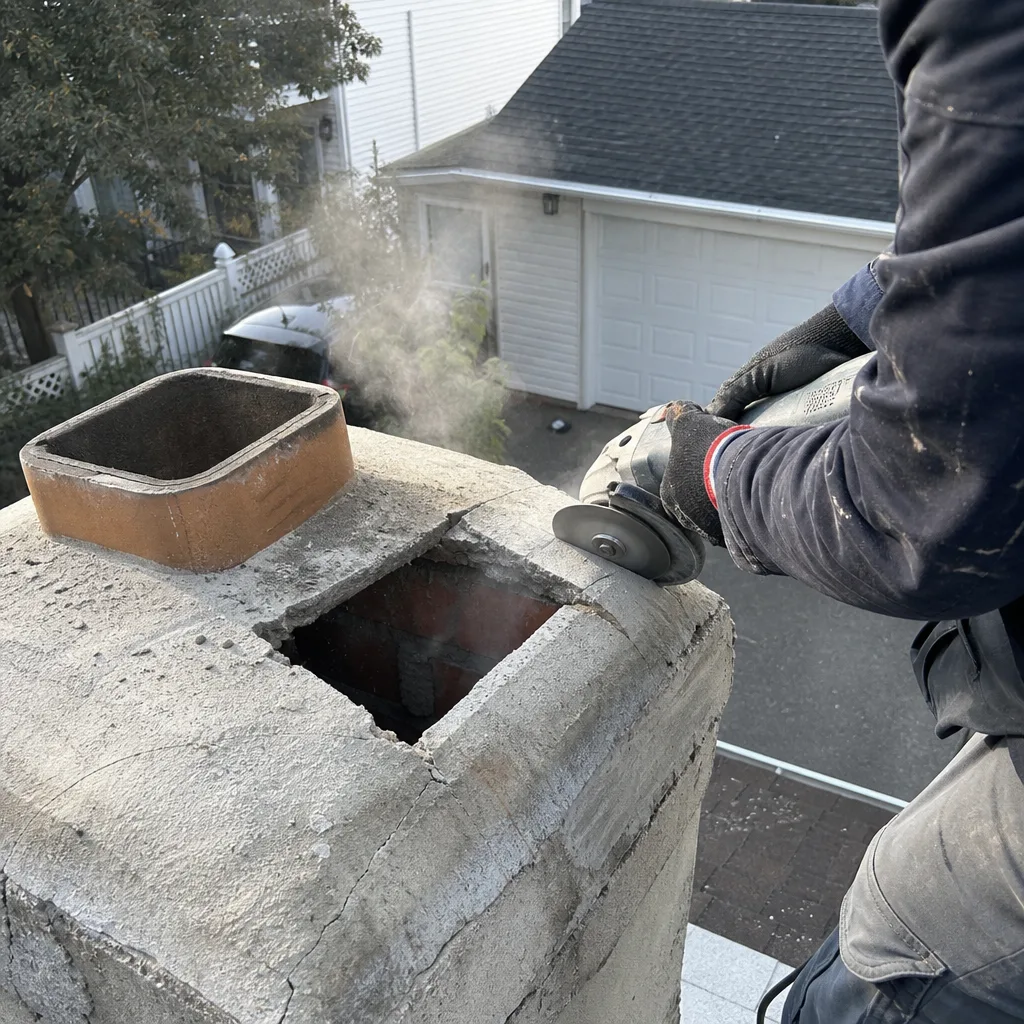
A useful chimney maintenance checklist for Jersey City homeowners draws a clear line: you can check the damper, smoke shelf debris, cap condition from the ground, and visible crown spalling yourself. You cannot assess flue liner condition, creosote stage, or smoke chamber integrity without a camera. The routine that works is monthly visual checks paired with an annual camera-scan inspection and sweep, adjusted for your fuel type and whether you live in an attached rowhouse. Keep written records, insist on a written price and photo documentation, and don’t substitute what you can see for what you need to document. If you want a camera-scan inspection with a written price in Jersey City, call (862) 272-3868 or visit Chimney Repair in Jersey City to learn more about repair and inspection services.
Written by Corrine Halstead, Owner at Level Two Chimney Jersey City, serving Jersey City since 2009.